Japan stands as a global titan in the pharmaceutical industry, second only to the United States in terms of innovation and market value. Within this sophisticated ecosystem, the demand for Glass Medicine & Pill Bottles Manufacturers is driven by a culture of absolute precision, known locally as "Monozukuri." Japanese pharmaceutical companies, such as Takeda, Astellas, and Daiichi Sankyo, demand packaging solutions that meet the rigorous standards of the PMDA (Pharmaceuticals and Medical Devices Agency).
The industrial status of glass manufacturing in Japan is characterized by high-tech automation and a shift towards Type I Borosilicate glass. This material is essential for Japan's growing biologics market, where chemical stability and minimal interaction between the container and the drug are paramount. Manufacturers in hubs like Shizuoka and Tokyo are increasingly integrating AI-driven quality control systems to ensure that every pill bottle and vial is free from cosmetic defects and structural micro-cracks that could compromise sterility.
The Japanese market is currently witnessing a massive shift toward "Smart Packaging." As the nation faces an aging population (the "Super-Aged Society"), Glass Medicine & Pill Bottles are being redesigned with child-resistant yet senior-friendly closures. Furthermore, NFC (Near Field Communication) tags and QR codes are being etched onto glass surfaces to facilitate patient adherence and provide real-time tracking from the manufacturer to the Shinjuku pharmacy shelf.
Sustainability is another core trend. Japanese glass manufacturers are pioneering "Lightweighting" technology, reducing the carbon footprint of medicine bottles without sacrificing durability. This aligns with Japan’s "Green Transformation" (GX) policy, pushing for a circular economy where glass remains the preferred choice due to its infinite recyclability compared to medical-grade plastics.
Low-carbon manufacturing processes and 100% recyclable borosilicate materials for the Japanese green initiative.
Utilizing neural networks to detect flaws at the micron level during the high-speed molding process.
Integration of digital tracking to prevent counterfeiting in the global supply chain.

Guangzhou Bogart Glass Products Co., Ltd. is a comprehensive enterprise integrating development, research, production, and sales. With a strategic focus on the East Asian market, including Japan, we provide high-end glass solutions for medical, cosmetic, and pharmaceutical applications. Our production capability encompasses all kinds of essential oil bottles, cream bottles, lotion bottles, and specialized pill bottles.
Our technological edge lies in advanced glass melting furnaces and professional R&D teams that master high and low-temperature silk screen, spray paint, hot stamping, and precision grinding. For our Japanese clients, we emphasize Quality Control through strict raw material inspection and ISO-compliant manufacturing environments.
Glass medicine containers in Japan are utilized across diverse and specialized sectors:
When selecting a manufacturer in Japan, one must consider the specific Japanese Industrial Standards (JIS). JIS R 3503 covers borosilicate glass for chemical use, and many pharmaceutical bottles must also comply with the Japanese Pharmacopoeia (JP).
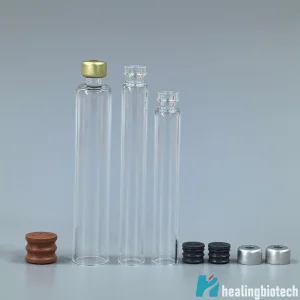
Our production lines utilize advanced technology to ensure that all 10ml, 50ml, and 100ml bottles meet these internal Japanese requirements. From molded glass to tubing glass, we offer options that provide superior chemical resistance, thermal shock resistance, and mechanical strength, making them ideal for the rigorous transportation networks across the Japanese archipelago.
 Bogart Glass