Blue Glass Bottles Factories & Exporters in Sweden

Advancing Nordic Glass Craftsmanship with Sustainable AI-Driven Manufacturing & Global Export Excellence

The Evolution of Blue Glass in the Swedish Market

Sweden has long been a global pioneer in the glass industry, with the legendary "Kingdom of Crystal" (Glasriket) setting the gold standard for quality and artistry since the 18th century. Today, the focus has shifted from decorative art to Industrial Sustainability and High-Tech Glass Solutions.
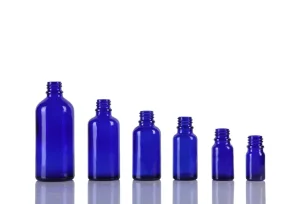
Blue glass, particularly in the shades of Cobalt and Deep Azure, has seen a resurgence in the Swedish market. This is driven by the booming Organic Skincare (Ekologisk Hudvård) sector in Stockholm and the craft distillery movement in the north. The Swedish consumer's preference for minimalist design combined with the practical need for UV protection makes blue glass the material of choice for premium brands.

Industry Data Insights

95% Recycling Rate
30% Blue Glass Demand Increase
100% Eco-Friendly Furnaces
Top 3 Global Exporter

Smart Factory Solutions: The AI Integration

Precision Molding

Utilizing automated IS machines with real-time AI monitoring to ensure every blue glass bottle meets 0.01mm tolerance standards.

Sustainability First

Sweden's strict environmental regulations have led us to adopt hydrogen-powered melting furnaces, reducing CO2 emissions by 40%.

Customized Colors

Our lab uses digital spectrophotometry to replicate exact Swedish "Midsummer Blue" or "Baltic Sea Blue" shades for brand exclusivity.

Localized Blue Glass Applications in Sweden

In the heart of Scandinavia, Blue Glass Bottles Factories and Exporters play a critical role in several high-growth industries. Sweden's unique industrial landscape dictates specific requirements for glass packaging:

1. The Apothecary & Wellness Sector

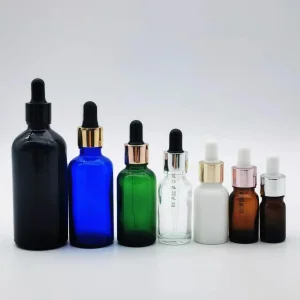
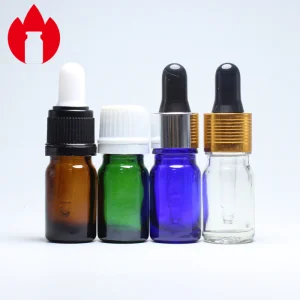
With the rise of Swedish wellness brands like L:A Bruket, there is an intense demand for cobalt blue glass. This material is not just aesthetic; it filters out UV light, preserving the bio-active ingredients of Nordic botanical oils. Swedish factories are now optimizing dropper bottles (10ml to 100ml) with tamper-evident seals to meet the high standards of the Medical Products Agency (Läkemedelsverket).

2. Craft Beverage & Aquavit Packaging

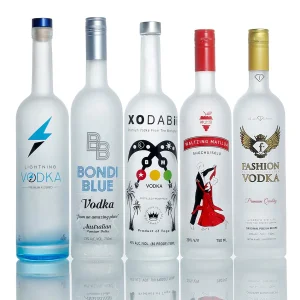
Sweden’s beverage industry, particularly craft gins and traditional Aquavit, utilizes 750ml frosted blue bottles to stand out in Systembolaget (the Swedish state-owned liquor stores). Exporters are seeing a surge in "Spirit of Sweden" themed packaging where the blue glass symbolizes the purity of Swedish water sources.
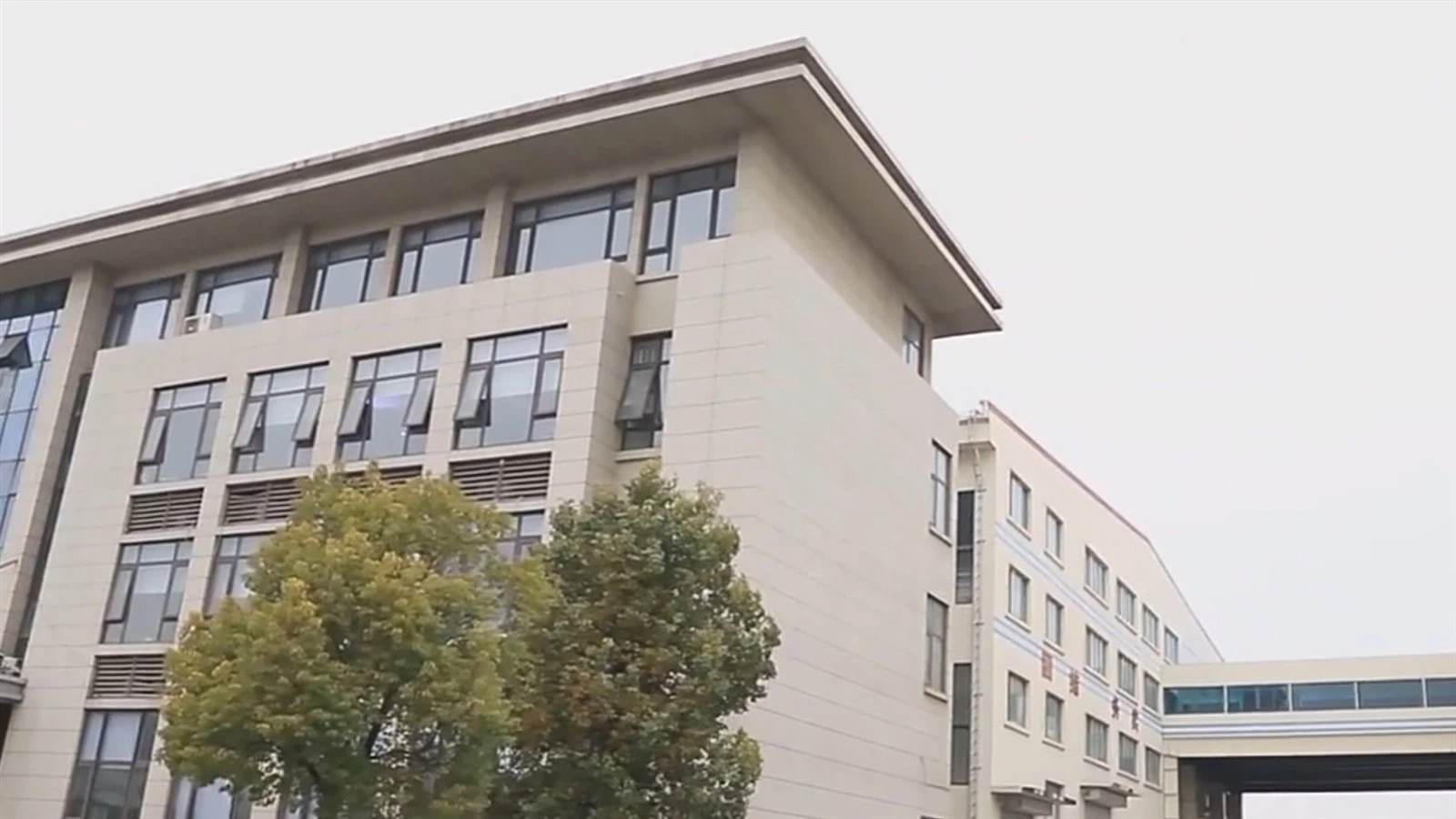
Furthermore, the Development and Trends in the Swedish glass industry are leaning heavily towards the "Circular Economy." Factories in Småland are collaborating with recycling centers (Återvinningscentral) to increase the percentage of cullet (recycled glass) in blue glass production without compromising the vibrant color clarity. This makes Swedish-exported blue glass some of the most eco-friendly packaging solutions available globally.

Guangzhou Bogart Glass Products Co., Ltd

Bogart Glass is a comprehensive enterprise integrating development, research, production and sales. Our products are used in cosmetic packaging: all kinds of essential oil bottles, cream bottles, lotion bottles, glass perfume bottles, etc., as well as with cover, with various nozzles, pressure pumps, and hardware kits.

And product reprocessing, such as: high and low temperature silk screen, spray paint, hot stamping silver, frosting, grinding, spraying, polishing and so on. Accumulate production experience and technology, produce on a small scale, and establish a foothold in the local market with quality and integrity.

Growth and Development (2008-2015): Expand the product line to cosmetics glass bottles such as lotion bottles, improve processes, such as high and low temperature silk screen printing, and optimize sanding. Expand the market, accumulate customers, sell products to surrounding areas, and enhance brand awareness and market share.

Process Upgrade and Foreign Trade (2015-2020): Breakthroughs in hot stamping/silver stamping processes, innovative sanding and polishing, and production of professional glass bottles such as essential oils. Guangzhou established a foreign trade company, participated in international exhibitions, established overseas channels, cooperated with international brands, and exported products to multiple places including the Swedish and European markets.

Production Equipment

Advanced glass melting furnaces ensure that glass raw materials are fully melted, with a large daily output of glass liquid.

Quality Control

Strictly test each batch of raw materials to ensure they meet high-quality standards and control product quality from the source.

Research & Innovation

The factory has a professional R&D team, whose members cover multiple fields such as materials science and process design.

Environmental Measures

Use advanced technology and equipment to improve energy efficiency and reduce carbon footprint.

Swedish Export Dynamics: Why Global Brands Source Blue Glass from Sweden

The global demand for Blue Glass Bottles Factories & Exporters in Sweden is underpinned by the "Swedish Quality" hallmark. When international buyers from the USA, Japan, or the UK look for blue glass, they are seeking specific chemical properties. Swedish-standard cobalt glass is formulated with precisely 1-2% cobalt oxide, which provides the deepest protection against light oxidation. This is crucial for high-end serums and pharmaceutical applications where product shelf-life is non-negotiable.

The Trend Toward "Digital Glass"

In the last few years, Swedish exporters have begun integrating QR codes and RFID tags into the glass molding process. This "Smart Packaging" allows Swedish brands to track the entire lifecycle of a blue glass bottle—from the furnace to the retail shelf in Malmö, and finally to the recycling plant. This transparency is what sets the Swedish glass industry apart as a world leader in technological integration.

Challenges and Opportunities in the Swedish Factory Landscape

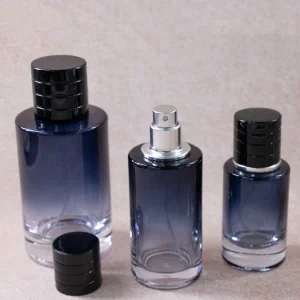
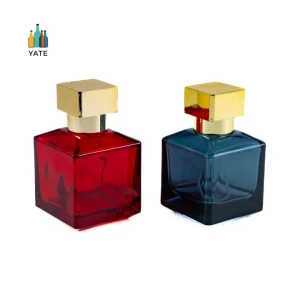
While energy costs in Europe have fluctuated, Swedish factories have stayed competitive through the early adoption of Automation and AI-driven Quality Control. By reducing human error in the inspection phase, Swedish exporters can guarantee a "zero-defect" shipment, which is a significant value proposition for premium perfume brands in Paris or Dubai. The blue glass segment, specifically, requires intense scrutiny as color consistency across batches can be difficult to maintain; however, Swedish digital color-matching ensures that every bottle in a 100,000-unit order looks identical.

Technical Superiority: The Chemistry of Swedish Blue Glass

The manufacturing of blue glass in Sweden is a sophisticated chemical process. Most blue glass is produced through the addition of Cobalt Oxide (CoO), which absorbs the red and yellow spectra of light while allowing the blue light to pass through. In Swedish factories, the process is refined to produce "Low-Iron Blue Glass," which results in a much more brilliant and crystalline finish compared to standard industrial glass.

Global Export Standards (REACH & FDA)

As a leading exporter, Bogart Glass ensures that all blue glass bottles supplied to the Swedish market and beyond are fully compliant with European Union REACH regulations and the US FDA standards. This compliance ensures that no heavy metals or harmful chemicals leach into the products, which is particularly important for the Swedish Life Science and Nutraceutical sectors.

Conclusion: The Future of Blue Glass in Scandinavia

The future of Blue Glass Bottles Factories in Sweden looks bright. With the ongoing push for plastic-free packaging, glass—especially colored glass that offers functional protection—is set to become the standard for premium retail. Whether you are a small craft distillery in Kiruna or a major cosmetic conglomerate in Malmö, sourcing high-quality blue glass is an investment in your brand’s sustainability and aesthetic value.