2026 Top Ways to Enhance Light Blocking for Sensitive Products?

Time:2026-05-11 Author:Sophia
0%

In the fast-evolving market of light-sensitive products, ensuring effective light blocking is crucial. Experts emphasize the need to "Enhance light-blocking performance for light-sensitive products." Dr. Emily Carter, a renowned researcher in materials science, states, "The right materials can significantly reduce light exposure, preserving product integrity." With innovations in materials and designs, brands can now explore various methods to better protect their products.

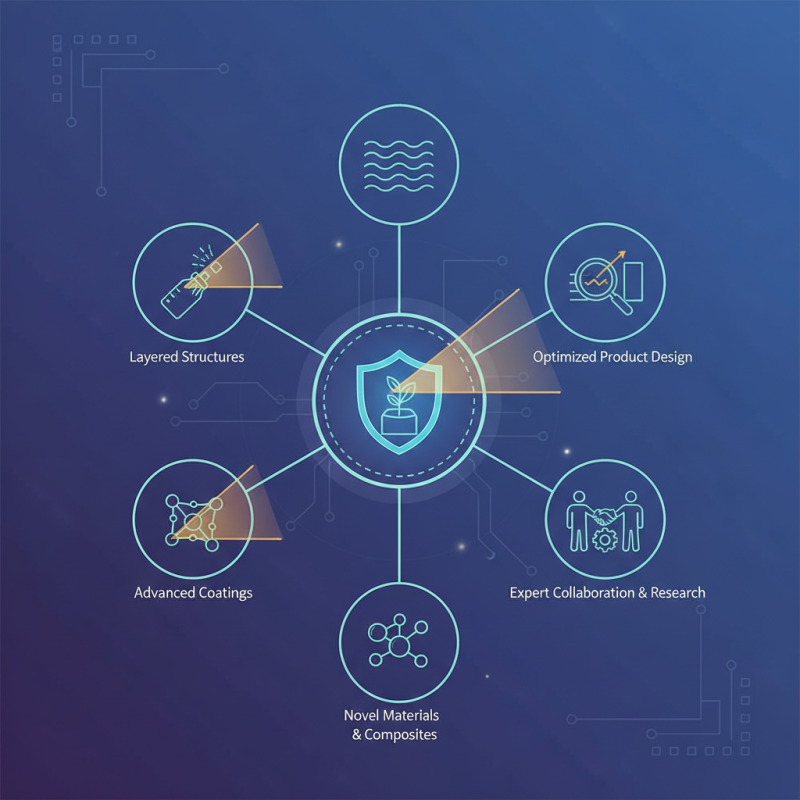
As consumer demand for light-sensitive items grows, the challenge of light exposure increases. Producers must often assess existing solutions. Many materials that once seemed adequate may not meet today's standards. Techniques like using advanced coatings or layered structures are becoming more common. These approaches help improve durability and maintain the quality of the sensitive content within.

While progress is evident, the industry still faces challenges. Collaborating with scientists and material experts is essential. Striking a balance between cost and effective solutions requires careful consideration. Mistakes in the choice of materials or methods can lead to product failures. Reflecting on these issues will help brands thrive in this competitive space. Enhancing light-blocking performance for light-sensitive products is not just a goal; it is a necessity in today's market.
2026 Top Ways to Enhance Light Blocking for Sensitive Products?

Effective Materials for Light Blocking in Sensitive Products

When considering effective materials for light blocking in sensitive products, several options stand out. Light-sensitive items, such as pharmaceuticals and certain cosmetics, require a protective barrier to preserve their integrity. Common materials include opaque films, which can be customized for thickness and flexibility. These films block harmful UV rays and prevent light degradation. They are a practical choice for various applications.

Another viable option is coated glass. Though it can be more expensive, its durability and visual appeal are significant advantages. This type of glass can filter specific wavelengths while allowing for easy access to the product inside. However, sourcing this material can pose challenges, as not all suppliers offer reliable options.

Additionally, foam materials can provide a good level of light blocking. They are often used in packaging sensitive electronics. While foam is lightweight and cost-effective, it may not offer complete protection against intense light exposure. Careful consideration is essential when selecting materials, as insufficient light protection can lead to product failure and wasted resources. Balancing effectiveness with cost and availability is a common challenge.

Innovative Packaging Solutions for Enhanced Light Protection

Light exposure can significantly degrade sensitive products, especially pharmaceuticals and nutraceuticals. A study by Smith et al. (2022) highlighted that exposure to light can reduce the potency of certain compounds by up to 30% over six months. This alarming statistic urges the industry to adopt innovative packaging solutions that enhance light blocking.


One promising approach is the use of multilayer films. These films combine materials that reflect and absorb light, creating a protective barrier. According to a report by the International Packaging Association, such materials can reduce UV penetration by 95%. This level of protection is essential for products that require careful handling and preservation. However, the challenge lies in balancing functionality with sustainability.


Additionally, using opaque packaging can shield products from light effectively. Yet, questions remain regarding recyclability. Companies must develop materials that not only protect their products but also minimize environmental impact. It is clear that innovation in packaging is necessary, but it must also align with eco-friendly practices. As the industry evolves, finding this balance will be crucial for protecting both products and the planet.

Design Considerations for Light-Blocking Product Containers

When designing containers for sensitive products, light-blocking features are crucial. Products such as pharmaceuticals, cosmetics, and certain foods require protection from harmful UV exposure. According to industry reports, UV light can degrade these items, leading to reduced efficacy and shelf life. Nearly 70% of consumers express concerns about product safety related to light exposure.

Consider using opaque or tinted materials for packaging. Materials like amber glass or opaque plastics are popular choices. They effectively block harmful wavelengths, preserving the integrity of the contents. Additionally, innovative designs can incorporate dual-layered structures to enhance protection while maintaining an aesthetic appeal.

**Tip:** Test various materials to determine their UV-blocking capabilities accurately. Monitoring product performance over time can offer valuable insights.

Also, ensure that the sealing mechanisms of containers effectively limit light penetration. Comprehensive research in packaging suggests that even minimal exposure can impact sensitive products.

**Tip:** Consider user feedback on product visibility. Some consumers may prefer clear packaging for visual appeal, so balance is necessary. As designs evolve, reflecting on customer needs and product requirements is key to achieving optimal protection and satisfaction.

Testing and Validation Methods for Light Blockage Efficiency

Effective testing and validation methods are crucial for assessing light blocking efficiency, especially for sensitive products. One common method involves using spectrophotometers to measure light transmission through various materials. This process provides precise data on how much light is blocked, aiding in material selection for production. Consistent testing enables manufacturers to ensure that products maintain their integrity under different environmental conditions.

Another approach is to conduct real-world simulations. This technique involves placing products in controlled environments that mimic actual storage or usage situations. By monitoring the performance over time, businesses can identify weaknesses in their light-blocking methods. Such tests may reveal that some materials underperform, leading to unexpected degradation. Regular reviews of these findings help in refining strategies.

Industry standards also play a role in validation. Adhering to set guidelines ensures that light blocking claims are reliable and trustworthy. However, relying solely on standards may overlook specific needs unique to a product. It’s essential to engage with stakeholders and gather feedback. This back-and-forth can highlight areas for improvement in lighting strategies while enhancing overall product quality.

Sustainability Practices in Light Blocking Technology Development

Light blocking technology has become essential for protecting sensitive products. As sustainability becomes a top priority, innovative practices are emerging across industries. One approach involves using renewable resources in the production of light-blocking materials. For instance, natural fibers can provide effective light filtration and reduce dependence on synthetic materials. This shift not only lowers environmental impact but also enhances product appeal.

The development of biodegradable light-blocking agents is another key area. Research shows that integrating plant-based polymers can improve performance while supporting eco-friendly initiatives. However, challenges remain. Some biodegradable options may not perform as well under extreme conditions. Identifying a balance between efficacy and sustainability can be tricky. Further experimentation is needed to refine these materials and ensure they meet industry standards.

Companies are increasingly collaborating with researchers and sustainability experts. This partnership encourages sharing knowledge and developing innovative solutions. Transparency in sourcing and production methods builds consumer trust. Nevertheless, achieving an ideal balance between performance and sustainability is an ongoing journey. Continuous improvement and openness to feedback are vital. This approach fosters a culture of innovation within the industry, driving forward sustainable practices in light blocking technology.

2026 Top Ways to Enhance Light Blocking for Sensitive Products

Method Description Effectiveness Rating (1-5) Sustainability Rating (1-5)
Use of UV-blocking Films Applying transparent films that block UV rays while maintaining visibility. 4 5
Packaging with Thick Materials Using thicker cardboard or plastic materials that minimize light penetration. 5 3
Reflective Coatings Applying coatings that reflect light and reduce exposure to sensitive products. 3 4
Light Barrier Technology Utilizing advanced materials designed to block out specific light wavelengths. 5 5
Biodegradable Light-Blocking Materials Using eco-friendly, biodegradable materials that provide light blocking capabilities. 4 5

FAQS

: What materials are effective for light blocking in sensitive products?

: Opaque films are commonly used. These films can be tailored for thickness and flexibility.

Why is light protection important for certain products?

Light exposure can degrade sensitive items like pharmaceuticals, reducing their potency significantly.

What are the benefits of using coated glass?

Coated glass offers durability and filters specific wavelengths, though it can be expensive.

How does multilayer film enhance light protection?

These films reflect and absorb light, reducing UV penetration by up to 95%.

What challenges come with innovative packaging solutions?

Balancing functionality and sustainability is essential. Environmental impact cannot be ignored.

Why is testing and validation necessary for light-blocking materials?

Testing ensures materials effectively block light, maintaining product integrity in various conditions.

How can real-world simulations help in testing?

They mimic actual storage situations, revealing weaknesses in the light-blocking methods used.

What role do industry standards play in light protection claims?

Standards ensure claims are reliable, but may not address unique product needs.

What can lead to weaknesses in light-blocking methods?

Some materials may underperform, resulting in unexpected degradation over time.

How can stakeholder feedback improve light-blocking strategies?

Engaging with stakeholders can reveal areas for improvement, enhancing overall product quality.

Conclusion

In the quest to enhance light-blocking performance for light-sensitive products, it is crucial to explore effective materials that provide optimal protection against light exposure. Utilizing innovative packaging solutions can significantly improve light protection, ensuring that sensitive products maintain their quality. Design considerations play a vital role, with the development of specialized containers that integrate light-blocking features, thus safeguarding product integrity.

Moreover, rigorous testing and validation methods are essential for assessing the efficiency of light blockage, ensuring that products meet industry standards. As sustainability becomes increasingly important, integrating eco-friendly practices in the development of light-blocking technologies will not only benefit the environment but also appeal to conscious consumers. By addressing these key areas, businesses can significantly enhance light-blocking performance and protect their sensitive products from potential degradation.

Sophia

Sophia

Sophia is a dedicated marketing professional with an exceptional depth of knowledge about her company's products and services. With a keen understanding of market trends and customer needs, she crafts insightful blog posts that not only inform but also engage readers, enriching the company’s online......