Top 10 Ways to Reduce Production Cost While Ensuring Glass Quality?

Time:2026-05-22 Author:Madeline
0%

In today's competitive manufacturing landscape, companies face the challenge of reducing production cost while maintaining glass quality. Striking this balance is crucial for long-term success. The push for greater efficiency often leads to a dilemma: how much quality can be compromised for savings?

To address this, manufacturers must prioritize innovative strategies. This involves analyzing each step of the production process closely. Techniques such as lean manufacturing can enhance efficiency. Moreover, investing in advanced technologies can yield significant benefits. There may be initial costs, but the long-term savings are worth exploring.

Yet, achieving this balance is not always straightforward. It's essential to identify areas ripe for improvement without sacrificing the glass's integrity. Companies often struggle with this. A deep understanding of materials, processes, and market demands is vital. Learning from both successes and setbacks provides valuable insights. Ultimately, the goal is clear: effectively reduce production cost while maintaining glass quality.
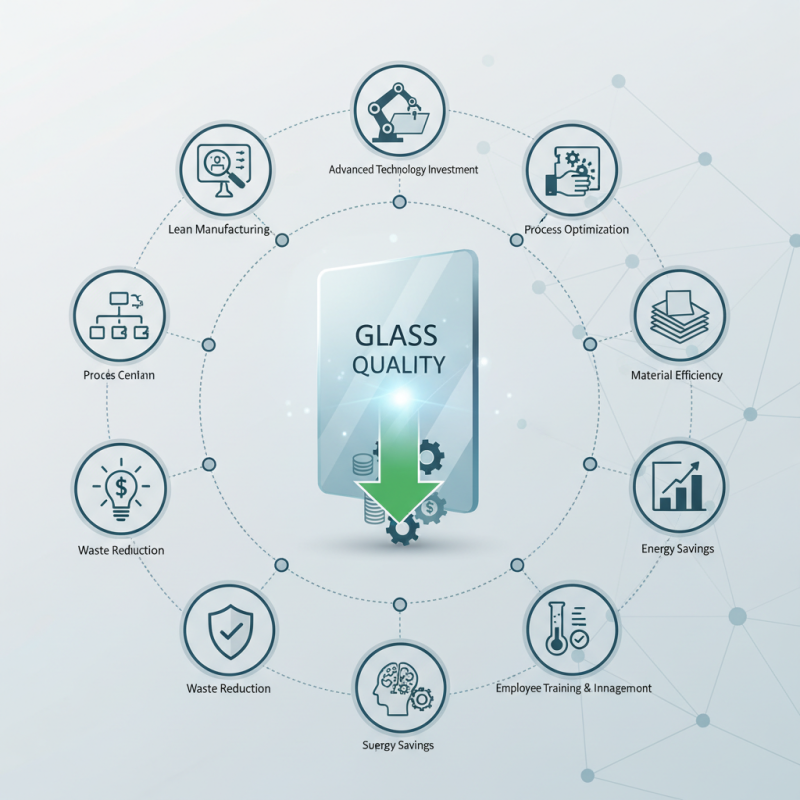
Top 10 Ways to Reduce Production Cost While Ensuring Glass Quality?

Identifying Key Areas for Cost Reduction in Glass Production

In the glass production industry, identifying key areas for cost reduction is essential. A report from the Glass Manufacturing Industry shows that energy consumption accounts for about 50% of the total production costs. Optimizing furnace efficiency can lead to significant savings while maintaining glass quality. Implementing advanced combustion technologies can reduce fuel costs. This not only lowers expenses but also minimizes emissions.

Raw materials make up another crucial aspect of production costs. According to industry statistics, approximately 30% of costs stem from sourcing and managing materials. Establishing relationships with local suppliers can streamline sourcing. Additionally, using recycled glass, or cullet, can reduce raw material needs by up to 20%. However, companies must balance quality and recycling rates to ensure product integrity.

Labor costs also demand attention. Skilled labor is often expensive, yet necessary for quality control. Investing in employee training can enhance productivity and reduce errors. A well-trained workforce can positively impact glass quality and efficiency. However, such programs require upfront investment and commitment. It's vital to measure the long-term benefits against immediate costs to ensure a sound return on investment.

Implementing Advanced Technology for Improved Efficiency

In today's competitive landscape, the adoption of advanced technology can significantly enhance glass production efficiency and reduce costs. Automation plays a crucial role here. It streamlines processes like cutting, shaping, and finishing. This not only speeds up operations but also minimizes human error, leading to high-quality glass products. Implementing smart sensors during production can further ensure that quality remains consistent while reducing waste.

Another vital technology is data analytics. By analyzing production data, manufacturers can identify inefficiencies. Real-time monitoring systems provide insights that help optimize the supply chain. However, technology integration can pose challenges. Employees may require extensive training to adapt. Resistance to change is also common. Balancing innovation with workforce readiness is critical for success.

Lastly, energy-efficient machinery can drastically cut utility costs. These machines often come with upfront costs, which may deter some manufacturers. However, long-term savings and environmental benefits make them worthwhile. Overcoming initial hurdles with a clear strategy can yield sustainable results. Embracing these technologies, despite potential setbacks, can propel glass producers toward a more efficient future.

Streamlining Supply Chain Management to Minimize Waste

Efficient supply chain management is essential for minimizing waste in glass production. By optimizing each step, companies can significantly lower costs. A streamlined supply chain reduces delays and excess inventory. An integrated approach keeps all suppliers aligned. Communication is vital in achieving this.


One effective strategy is utilizing technology. Advanced tracking systems can monitor raw materials in real time. This creates transparency, helping to identify bottlenecks quickly. Implementing just-in-time delivery can further reduce overproduction. Yet, reliance on technology must be balanced. System failures can lead to disruptions.


Collaboration with suppliers is also crucial. Building strong relationships fosters trust. Transparent discussions can reveal insights into the material quality and cost. This collective knowledge allows for better decision-making. Sometimes, expectations may clash, requiring reflection on goals. Finding common ground can be challenging, yet rewarding.

Enhancing Employee Training for Better Quality Control

Employee training is a critical factor in ensuring glass production quality. By investing in comprehensive training programs, companies empower employees with the skills and knowledge necessary for effective quality control. Workers who understand quality standards can identify defects early. This proactive approach minimizes waste and reduces costs in the long run.

Regular workshops and hands-on training can enhance employee engagement. A well-trained workforce is more equipped to handle machinery and assess the final product. Incorporating real-world scenarios into training helps employees grasp the challenges they might face. This not only builds confidence but also fosters a culture of quality. However, even the best training programs can have gaps. Some employees may struggle with new techniques. Feedback loops are essential to identify these struggles and adjust training accordingly.

Training should not be a one-time event. Continuous education keeps pace with industry advancements. Employees must remain updated on the latest quality standards and technologies. Encouraging self-reflection and peer feedback during training can lead to greater awareness of quality issues. This creates a more resilient team dedicated to maintaining high standards. Ultimately, enhanced employee training can lead to a significant reduction in production costs while improving glass quality.

Top 10 Ways to Reduce Production Cost While Ensuring Glass Quality

Adopting Sustainable Practices to Lower Operational Costs

Adopting sustainable practices can significantly reduce glass production costs, while maintaining quality. Using recycled materials is one effective strategy. This not only cuts raw material costs but also lessens environmental impact. Many manufacturers have found that sourcing cullet, or recycled glass, can save energy during melting. Less energy consumption translates to lower utility bills and reduced carbon footprint.

Implementing energy-efficient equipment is another essential approach. Upgrading machinery may require an initial investment, but it pays off over time. Energy-efficient ovens can reduce energy use by as much as 20%. These changes often lead to lower costs and a more sustainable operation. Maintenance of equipment is critical, as wear and tear can lead to inefficiencies. Regular checks can help catch problems early.

Training employees in sustainable practices can yield positive results, too. When workers understand the value of sustainability, they may spot wasteful processes. Encouraging them to suggest improvements fosters a culture of innovation. Yet, the transition to sustainable practices can be challenging. It requires commitment and consistent effort from everyone involved. The journey may not always be perfect, but gradual improvements can lead to significant cost savings and enhanced glass quality.

FAQS

: How does automation improve glass production efficiency?

: Automation speeds up processes like cutting and shaping. It reduces human error, leading to higher-quality glass.

What role do smart sensors play in production?

Smart sensors ensure consistent quality and minimize waste during glass production.

Why is data analytics important in manufacturing?

Data analytics helps identify inefficiencies and optimize the supply chain through real-time insights.

What challenges come with technology integration?

Employees may need extensive training, and resistance to change is common, complicating the process.

How can energy-efficient machinery benefit manufacturers?

Energy-efficient machines can lower utility costs, resulting in long-term savings despite initial expenses.

Why is streamlined supply chain management crucial?

It reduces waste, lowers costs, and minimizes delays through efficient inventory management.

How does technology aid in supply chain management?

Advanced tracking systems monitor materials, ensuring transparency and quickly identifying bottlenecks.

Why is collaboration with suppliers important?

Strong relationships foster trust and transparency, leading to better decision-making about material quality.

What can happen if there’s over-reliance on technology?

System failures can disrupt operations, emphasizing the need for a balanced approach.

What is a common challenge when aligning supplier expectations?

Expectations may clash, requiring reflection and collaboration to find common ground for success.

Conclusion

To reduce production cost while maintaining glass quality, manufacturers can adopt several effective strategies. First, identifying key areas for cost reduction in glass production allows companies to target inefficiencies. Implementing advanced technology can significantly improve production efficiency, while streamlining supply chain management helps minimize waste and reduce unnecessary expenses.

Moreover, enhancing employee training is crucial for ensuring better quality control, leading to fewer defects and higher overall product standards. Additionally, adopting sustainable practices not only contributes to lowering operational costs but also aligns with modern environmental standards. By integrating these methods, glass producers can achieve a balance between cost reduction and quality assurance, paving the way for a more competitive and responsible industry.

Madeline

Madeline

Madeline is a dedicated marketing professional with a wealth of expertise in our company's core offerings. With a keen understanding of the industry, she brings a unique perspective to her role, consistently delivering high-quality content that highlights the superior aspects of our products. As......