In the competitive world of glass bottle production, achieving high clarity and transparency is essential. This not only affects the aesthetic appeal but also the perceived quality of the product. Manufacturers face various challenges in optimizing clarity and transparency of glass bottle production. Factors such as raw materials, production techniques, and quality control play a crucial role in this process.
While advancements in technology have improved production capabilities, imperfections still arise. Small bubbles or discoloration can undermine the final product. Continuous reflection on materials and methods is crucial. It is not just about implementing new technology but also about understanding the nuances of glass production. Emphasizing collaboration among material scientists, production experts, and quality controllers can lead to better outcomes.
Optimizing clarity and transparency of glass bottle production requires a blend of expertise and innovation. Effective strategies must be rooted in both theoretical knowledge and practical experience. As the industry evolves, it is important to remain adaptable. Exploring new techniques and refining existing ones will yield significant benefits in overall production quality.
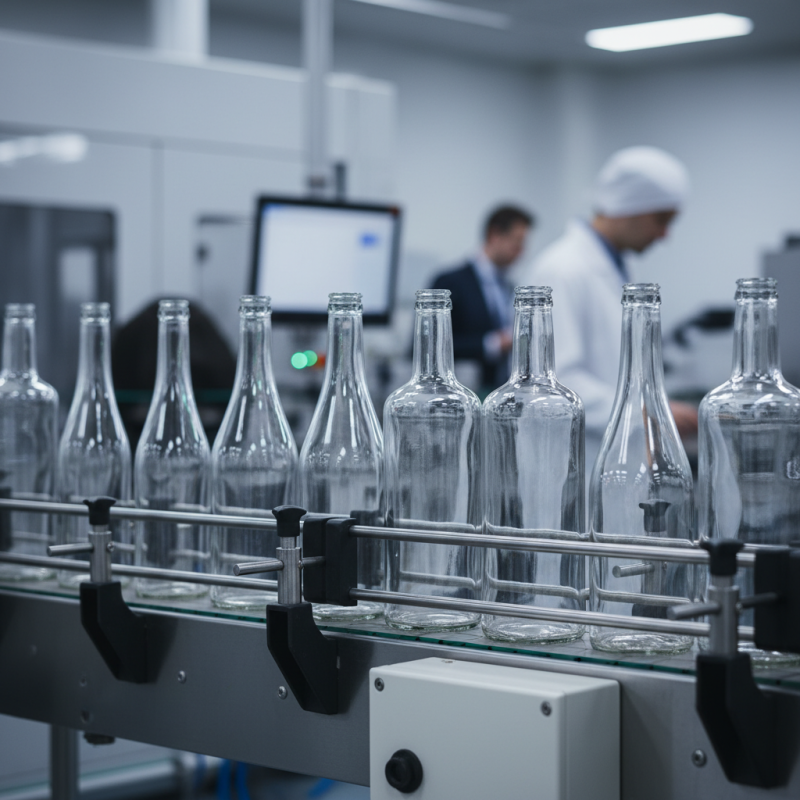
Clarity and transparency in glass bottles are crucial for several reasons. According to a report from the Glass Packaging Institute, up to 70% of consumers associate clear packaging with quality. This natural association enhances brand trust. Clear glass allows consumers to see the product inside, boosting their confidence in purchasing decisions.
Moreover, clarity impacts ultraviolet (UV) protection. A study from the Society of Glass Technology states that clear glass can filter UV rays effectively, preserving the integrity of beverages. Yet, achieving optimal clarity can be challenging. Factors such as material quality and production methods play a significant role. Any imperfections during the manufacturing process lead to decreased transparency. This not only affects aesthetics but also product safety.
Despite advancements in technology, achieving perfect clarity is an ongoing challenge. Variations in melting temperature can introduce bubbles or discoloration. These issues emphasize the need for continuous improvement in production techniques. Investing in quality raw materials can mitigate some issues. However, total transparency remains an ideal rather than a standard practice. The pursuit of clarity is a journey, not a destination in glass production.
Clarity and transparency in glass bottle production are influenced by several key factors. One of the primary elements is raw material quality. High-purity silica and minimal impurities are crucial. Impurities can create bubbles, reducing clarity. Additionally, the melting process must be precise. Overheating or inconsistently mixed materials can affect clarity negatively.
Maintaining optimal temperatures during production is essential. Temperature fluctuations can lead to defects. Proper monitoring ensures uniformity in the glass. Another important factor is the cooling rate of the glass. Rapid cooling can cause stress, leading to a loss of transparency. A controlled cooling process helps preserve clarity.
Tip: Regularly test raw materials for impurities. Even minor contaminants can impact the final product.
Water quality used in the production process also matters. Hard water may introduce minerals that cloud the glass. Equipment cleanliness is another vital aspect. Residues on molds or machinery can introduce imperfections.
Tip: Schedule routine maintenance for machinery. This can prevent buildup that compromises glass integrity.
An ongoing analysis of the production environment contributes to overall quality. Factors like humidity and dust can affect outcomes. Make adjustments as needed to maintain optimal conditions. Every small change can have significant effects on the clarity and quality of the glass.
Advancements in technology have become crucial in enhancing the purity and clarity of glass bottles. Innovative filtration systems now remove impurities more effectively. These systems utilize advanced membrane technologies. This results in clearer glass, amplifying its aesthetic appeal. The process also minimizes defects, which was once a common issue. Each step in production is now more precise, allowing for outstanding clarity.
In addition to filtration, new melting processes significantly improve transparency. By maintaining consistent temperatures, manufacturers achieve fewer bubbles and inconsistencies. However, this technique requires careful monitoring. Human error can still affect outcomes. Thus, skilled operators play a vital role in ensuring optimal results. Despite these advancements, challenges remain in balancing efficiency with quality.
The introduction of smart technologies also boosts glass production. Real-time data analysis helps in identifying quality issues early. Machines can adapt to variations, enhancing overall production quality. Yet, relying heavily on technology poses risks. Overdependence may lead to neglecting traditional craftsmanship skills. Striking a balance between innovation and tradition is essential for sustained excellence in glass bottle production.
| Optimization Method | Description | Impact on Clarity | Cost Implication | Implementation Difficulty |
|---|---|---|---|---|
| Raw Material Selection | Use high-grade silica and additives | High | Moderate | Low |
| Advanced Melting Techniques | Use of electric furnaces for better control | Very High | High | Moderate |
| Quality Control Protocols | Implement strict testing for impurities | High | Low | Low |
| Temperature Optimization | Maintain precise temperatures for melting and forming | High | Moderate | Moderate |
| Quality Additives | Incorporate additives that enhance clarity | Moderate | Low | Low |
| Finishing Techniques | Polishing and clean-up processes | High | Moderate | Low |
| Automation in Production | Utilize automated systems for precision | Very High | High | High |
| Customized Designs | Focus on optimized shapes for clarity | Moderate | High | Moderate |
| Research and Development | Invest in new technologies and materials | Very High | Very High | High |
| Environmental Considerations | Utilize sustainable practices to reduce impurities | Moderate | Moderate | Low |
Quality control in glass bottle production is crucial to ensure clarity and transparency. This requires a series of systematic checks. Each stage of production must be monitored closely. Inspect raw materials for impurities that could affect clarity. Even small contaminants can lead to significant defects in the final product.
Post-production quality checks are equally important. Implement a rigorous inspection process to identify defects. This can include visual assessments and light transmission tests. Even minor inconsistencies can impact the perceived quality. Regular maintenance of equipment can also help in maintaining production standards. However, for all the automation and technology, human oversight remains essential.
Workers need training to recognize signs of quality issues. They should understand the significance of each detail in the process. Feedback loops can help improve practices, yet mistakes may still occur. Reflecting on these imperfections enables ongoing enhancement. Quality control is an evolving process, requiring constant attention and adaptation.
The focus on sustainable materials has become essential in glass bottle production. Using recycled glass, for instance, not only reduces waste but also enhances clarity. Recycled materials have unique properties that can improve the end product’s transparency. By carefully selecting the sources of these materials, manufacturers can achieve better results without compromising quality.
Innovative production processes are equally crucial. Incorporating advanced melting techniques can lead to a purer glass composition. These methods often result in fewer impurities, which contribute to a clearer final product. However, it is important to regularly assess these processes. Sometimes, traditional methods yield surprising clarity, reminding us that innovation must be balanced with tried-and-true techniques.
In the pursuit of improved glass clarity, transparency must remain a priority. Employing local materials can minimize carbon footprints while still achieving remarkable quality. Yet, sourcing locally may not always guarantee superior materials; constant reevaluation is necessary to optimize outcomes. Ultimately, the journey toward sustainable transparency is a continuous learning process, urging manufacturers to remain vigilant and adaptable.
: Clarity enhances consumers' perception of quality, boosting their trust in the product.
Clear glass effectively filters UV rays, preserving the integrity of beverages inside.
Material quality and production methods are crucial. Imperfections can lead to reduced transparency.
Yes, variations in melting temperature can introduce bubbles or discoloration, complicating clarity.
Inspect raw materials for impurities and assess the final product for defects, including visual checks.
Technology is helpful, but workers' training ensures signs of quality issues are recognized promptly.
Implement feedback loops and regular training, but expect some mistakes along the way.
They emphasize the need for continuous improvement and adaptation to quality control practices.
They help identify defects that could impact perceived quality, ensuring higher standards.
Total transparency remains an ideal. Achieving clarity is a continual journey, not a final result.
The article "Top 10 Ways to Optimize Glass Bottle Production Clarity and Transparency" emphasizes the critical role that clarity and transparency play in the quality of glass bottles. It outlines key factors affecting these qualities, such as raw material purity and production processes. The discussion highlights how technological innovations can significantly enhance glass purity and clarity, improving the final product's aesthetics and functionality.
Best practices for quality control in glass bottle production are essential to maintain high standards, along with the use of sustainable materials and processes that not only enhance transparency but also contribute to environmental responsibility. By implementing these strategies, manufacturers can effectively optimize clarity and transparency of glass bottle production, ensuring a superior product that meets consumer expectations.
Bogart Glass