What Makes Glass Bottles Leak Proof and Airtight at Canton Fair?

Time:2026-03-23 Author:Charlotte
0%

In the bustling atmosphere of the Canton Fair, the importance of quality packaging is evident. Attendees are often curious about what makes a glass bottle leak-proof and airtight. This topic taps into a blend of innovation and practicality. Buyers seek solutions that preserve the integrity of products, especially in the food and beverage sectors.

Understanding the science behind glass bottle design is crucial. Factors such as seal quality, material durability, and manufacturing precision play significant roles. Many bottles fail to meet these standards, leading to product loss and customer dissatisfaction. It highlights a need for constant improvement in manufacturing techniques.

At the Canton Fair, the focus on advanced manufacturing and new materials can bring these discussions to life. Exhibitors showcase innovations that promise better sealing solutions and enhanced user experience. The fusion of technology, such as AI smart search, further enhances the experience for buyers seeking high-quality glass bottles that won't leak or allow air exchange.
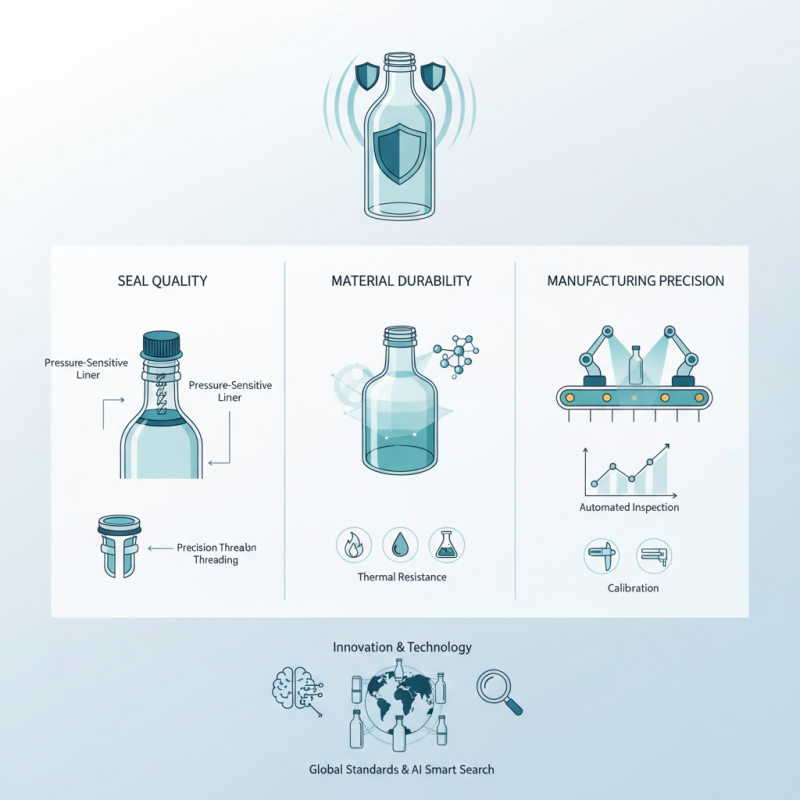
What Makes Glass Bottles Leak Proof and Airtight at Canton Fair?

Understanding the Basics of Glass Bottle Design and Construction

When it comes to glass bottles, design and construction play a vital role in ensuring they are leak proof and airtight. The neck design is crucial; it must be shaped to support a snug fit for the cap. A poorly designed neck can lead to leaks, negating the advantages of glass. The quality of the closure is equally important. Caps should create a tight seal, and proper threading can make a significant difference.

Materials used in glass production also impact performance. Higher quality glass can withstand pressure better. However, not all manufacturers use the same standards. This inconsistency can lead to variability in leak-proof performance. It’s essential to consider factors like thermal expansion during production, which can lead to weaknesses in the glass.

Additionally, the overall shape of the bottle can affect how air and liquids interact within it. Bottles that are too wide may struggle to maintain pressure. Small design flaws can significantly impact function. Creators must navigate these challenges carefully during the design phase to ensure optimal performance. Each detail matters, and reflecting on design choices can lead to improved results in future products.

Understanding Glass Bottle Airtightness

This chart displays the comparison of different glass bottle designs based on their airtightness effectiveness. The effectiveness is rated on a scale from 1 to 10, reflecting how well each design prevents leakage and maintains its seal.

Key Materials That Ensure Leak-Proof and Airtight Properties

When it comes to glass bottles, ensuring they are leak-proof and airtight is a vital concern. Key materials play a significant role in achieving these properties. High-quality silicone or rubber seals are often used to ensure a tight fit between the cap and bottle opening. These materials compress well, creating a barrier against both air and liquid.

Another crucial element is the careful choice of glass. The thickness and type of glass can impact how well the bottle maintains its seal. Thicker glass offers more durability and resistance to breakage. Additionally, a polished rim can help prevent wear over time, maintaining the airtight characteristics of the bottle. Aesthetic concerns must also be balanced, as rough edges can detract from the user experience.

Some manufacturers might overlook the importance of rigorous quality control during production. Tiny imperfections in the glass or seals can lead to leaks or other issues. Feedback from customers is essential to identify common problems. This constant evaluation reflects a commitment to improving design and functionality. Ultimately, making glass bottles leak-proof and airtight requires an attention to detail and a willingness to adapt based on user experiences.

The Role of Seals and Closures in Glass Bottle Functionality

Seals and closures play a crucial role in ensuring glass bottles are leak-proof and airtight. These components are not just simple accessories; they significantly influence the bottle’s functionality. A well-designed seal can prevent spills, keeping contents secure during transport. It can also maintain the freshness of beverages or preserve food items for longer.

Consider the various types of closures available. For example, some utilize corks, others use screw caps, and some have flip tops. Each design has its strengths and weaknesses. Screw caps might be easy to apply but can be less reliable over time. Corks offer a classic touch but may degrade, risking contamination. There’s always a trade-off in materials and design that requires careful consideration.

The challenge lies in finding the right combination. Not every seal fits every bottle perfectly. Poorly fitted closures can lead to unwanted leaks or spoilage. The balance between aesthetics and function must be considered. Design teams at fairs like Canton Fair showcase this complexity, presenting solutions that need constant refinement. The journey to achieving truly leak-proof and airtight bottles demands innovation and attention to detail.

Testing Methods for Leak-Proof and Airtight Glass Bottles

Leak-proof and airtight glass bottles are a vital component in various industries. A recent report indicates that nearly 30% of consumers have encountered issues with leaking containers. This highlights the need for effective testing methods. Correct sealing ensures that products remain fresh and uncontaminated during transit.

One popular testing method is the vacuum seal test. This approach creates a vacuum and checks for air leaks. It helps identify weak spots in the bottle's design. Another method involves pressure testing, which simulates harsh handling conditions. According to industry standards, bottles must withstand at least 5 psi without failing.

However, not all manufacturers apply these tests consistently. Some may overlook the quality control phase due to cost-cutting. This can lead to unacceptable leakage rates. A staggering 15% rejection rate for poorly designed bottles suggests a widespread issue. Companies must prioritize robust testing to ensure their products meet the market's stringent demands.

Innovations in Glass Bottle Technology at the Canton Fair

At the Canton Fair, innovations in glass bottle technology are turning heads. Many exhibitors showcase designs aimed at preventing leaks and maintaining airtight conditions. Special focus is given to the materials and seals used in these bottles. Manufacturers are experimenting with silicone gaskets, ensuring a snug fit. This prevents spills, even when the bottle is tipped over.


One eye-catching trend is the introduction of smart technology. Some bottles are now equipped with sensors that monitor their contents. These sensors can alert users if the seal is compromised. It's a clever idea, but not flawless. Technical glitches can sometimes cause unwanted notifications. Additionally, these high-tech features may increase the bottles’ price, which could deter some buyers.


Another aspect of innovation involves eco-friendly glass. Many designs feature recycled materials, combining sustainability with functionality. While this is commendable, some recycled glass has quality control issues. Manufacturers are still figuring out how to balance eco-friendliness and durability. These ongoing challenges highlight the complexity of glass bottle development at the Canton Fair.

FAQS

: What is the purpose of seals and closures in glass bottles?

: Seals and closures ensure glass bottles are leak-proof and airtight. They help maintain the contents' freshness.

What types of closures are commonly used?

Common closures include corks, screw caps, and flip tops. Each design has distinct advantages and drawbacks.

Why is the fit of seals and closures important?

A poor fit can cause leaks or spoilage. It’s crucial to find the right seal for each bottle type.

How do seals affect transportation of glass bottles?

Well-designed seals prevent spills during transport, ensuring safety and security for contents.

What is the vacuum seal test?

The vacuum seal test checks for air leaks by creating a vacuum around the bottle. It identifies weak spots.

How does pressure testing work?

Pressure testing simulates rough handling conditions, assessing how bottles withstand at least 5 psi without breaking.

Why might some manufacturers skip testing their bottles?

Some manufacturers might cut costs and overlook testing, leading to higher leakage rates. This is risky.

What challenges do designers face with bottle closures?

Designers must balance aesthetics and function. Each closure type requires careful consideration and constant refinement.

How prevalent are issues with leaking containers among consumers?

Nearly 30% of consumers report issues with leaking containers, highlighting a significant concern in quality control.

What is the rejection rate for poorly designed bottles?

The rejection rate for poorly designed bottles is around 15%, indicating widespread testing and design issues.

Conclusion

The article "What Makes Glass Bottles Leak Proof and Airtight at Canton Fair?" explores the essential aspects of glass bottle design and construction that contribute to their effectiveness. It delves into the key materials that enhance the leak-proof and airtight properties of glass bottles, emphasizing the importance of high-quality glass and innovative designs. Additionally, the piece outlines the crucial role of seals and closures, which are integral to ensuring functionality and preventing leaks.

Moreover, the article discusses various testing methods employed to evaluate leak-proof and airtight capabilities, showcasing the advancements and innovations in glass bottle technology presented at the Canton Fair. By understanding these elements, we gain insights into what makes a glass bottle leak-proof and airtight, reinforcing confidence in their performance across different applications.

Charlotte

Charlotte

Charlotte is a seasoned marketing professional with a deep understanding of the company's portfolio and a passion for elevating its presence in the market. With a keen eye for detail and a commitment to excellence, she ensures that our professional blog is regularly updated with insightful articles......