How to Ensure Food Grade Safety in Glass Packaging?

Time:2026-03-20 Author:Sienna
0%

In the modern food industry, glass packaging plays a crucial role in ensuring product safety. Experts emphasize the importance of quality. Dr. Emily Carter, a noted authority in food-grade materials, once stated, "We must ensure food-grade safety and material compliance of glass packaging to protect consumers." This perspective underscores the need for strict guidelines and testing protocols.

Many manufacturers overlook potential contaminants in glass. Improper handling and poor sourcing of materials can lead to serious safety issues. Glass can shatter and create hazardous shards. Additionally, the integrity of recycled glass is often questioned. Ensuring that all glass packaging meets stringent safety standards is essential for consumer trust.

Challenges remain in achieving full compliance. Shortcuts in production may compromise safety. Regular audits and thorough inspections can mitigate risks, but vigilance is key. Ultimately, businesses must prioritize safety over cost savings. By doing so, they can truly ensure food-grade safety and material compliance of glass packaging. Only then can we safeguard public health and enhance product reputation.
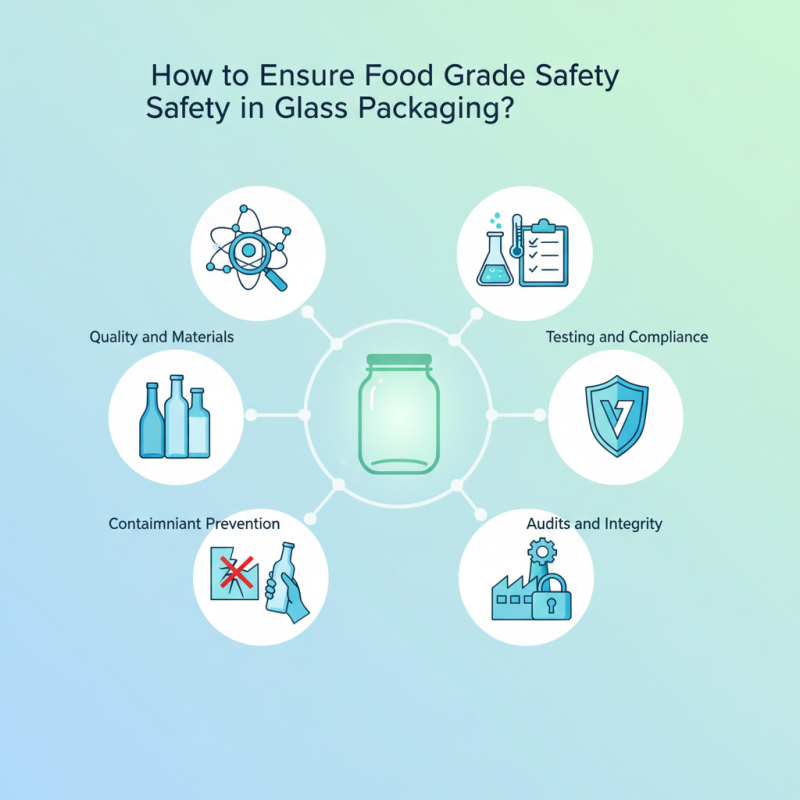
How to Ensure Food Grade Safety in Glass Packaging?

Understanding Food Grade Safety in Glass Packaging

Understanding food grade safety in glass packaging is crucial for both manufacturers and consumers. Glass is a preferred material due to its inert nature. It does not leach harmful chemicals into food and beverages. However, safety depends on proper handling and manufacturing processes. Any flaws in the glass, like cracks or chips, can compromise its integrity.

Another vital aspect is the cleaning process. Contaminants can cling to glass surfaces, affecting food safety. Regular testing for chemical residues is essential. Employing stringent quality control measures during packaging ensures that only safe products reach consumers. Packaging should also be stored correctly to prevent damage.

Regulatory compliance plays a significant role too. Organizations set guidelines for safe materials used in packaging. However, adherence to these guidelines can be inconsistent. Some manufacturers may overlook potential risks, leading to unsafe products. Regular audits and checks can help address this issue. In every stage, awareness and care are key to ensuring food grade safety in glass packaging.

Key Regulations and Standards for Glass Packaging Safety

When it comes to glass packaging, safety regulations and standards are crucial. The FDA and EU regulations dictate that materials must not leach harmful substances into food. For instance, the FDA’s Title 21 CFR outlines specific requirements for food contact substances. Compliance is necessary for manufacturing processes that involve glass.

Recent reports show that nearly 85% of consumers prioritize food safety when choosing packaging. Glass is considered inert, reducing contamination risks. However, materials must be regularly tested. The European Safety Standards (EC 1935/2004) emphasize ensuring glass containers do not release hazardous elements. The levels of lead and cadmium allowed in glass packaging must meet strict guidelines.

Additionally, the deadline for compliance is often a concern for manufacturers. Continuous oversight is needed, as regulations evolve. Regular audits can reveal gaps in adherence to safety standards. Some companies struggle to maintain standards consistently across multiple production sites. Creating a culture of safety and awareness is essential, but many find this challenging. Integrating safety protocols with production practices often leads to operational hurdles.

Material Selection: Choosing Safe Glass for Food Packaging

When selecting glass for food packaging, safety is crucial. Not all glass is created equal. Some types contain harmful substances that could leach into food. Therefore, careful material selection is essential.

Consider using soda-lime glass, which is widely used for food containers. It is relatively inert and safe. Borosilicate glass is another option. It withstands temperature changes well and offers durability. However, it can be more expensive. Always check the product specifications. Look for certifications that ensure safety standards are met.

It is also important to consider imperfections in glass. Bubbles or cracks can weaken the material. These flaws may compromise safety over time. Regular inspection of glass containers can help identify potential issues early. Choosing the right glass helps build consumer trust. But it is an ongoing process, requiring constant vigilance.

Glass Packaging Material Safety for Food Products

Best Practices in Manufacturing and Quality Control

Ensuring food grade safety in glass packaging is critical. Manufacturers must prioritize best practices in both production and quality control. First, raw materials must be carefully selected. Only high-grade glass should be used. Any contaminants can jeopardize safety. Scrutinizing every batch is necessary. This minimizes risks during the packaging process.

Quality control measures must be rigorous. Conducting regular inspections can help identify flaws or defects in glass containers. Visual checks for cracks or chips are essential. Implementing testing protocols for chemical leaching ensures that ingredients remain safe. Often, testing is overlooked, leading to potential issues.

Training staff is another key element. Workers should be educated on safety standards. They must understand the importance of cleanliness in the production area. Small lapses can lead to significant hazards. Continuous improvement is vital. Regular feedback loops can enhance safety practices over time.

How to Ensure Food Grade Safety in Glass Packaging? - Best Practices in Manufacturing and Quality Control

Dimension Best Practices Quality Control Measures Compliance Standards
Material Selection Use borosilicate glass Regular testing for leachables FDA regulations
Manufacturing Process Control furnace temperatures Process monitoring ISO 22000
Inspection Protocols Visual inspection for defects Automated inspection systems HACCP
Packaging Safety Use tamper-evident seals End-of-line testing EU packaging directives
Traceability Maintain records for each batch Batch tracking system Traceability regulations

Proper Storage and Handling of Glass Packaging for Food Safety

Proper storage and handling of glass packaging is crucial for food safety. Glass is non-porous, making it an excellent barrier against contaminants. Moreover, it preserves the quality and taste of food. However, mishandling can lead to safety issues. A report by the Glass Packaging Institute notes that improper storage may increase breakage rates. This poses risks not just to the product but also to consumers.

Proper temperature control is vital. Glass can expand or contract with extreme heat or cold. Store glass containers away from direct sunlight. This prevents heat buildup that could weaken the material. Always check for cracks or chips before use. Approximately 20% of glass containers show flaws that compromise food safety. It is important to discard such items to avoid contamination.

Cleaning is another key aspect of handling glass packaging. Use hot, soapy water for cleaning. Avoid abrasive materials that could scratch the glass. A scratch can harbor bacteria. A study from the Food and Drug Administration highlighted that over 55% of cross-contamination incidents arise from improper cleaning. Therefore, it’s essential to ensure that all glass containers are thoroughly cleaned and inspected. Be mindful; even a small oversight can lead to significant food safety issues.

FAQS

: What is important when selecting glass for food packaging?

: Safety is crucial. Not all glass types are safe. Choose carefully to avoid harmful substances.

Which types of glass are recommended for food containers?

Soda-lime glass is widely used and safe. Borosilicate glass resists temperature changes and is durable.

Are there risks with using flawed glass?

Yes, bubbles or cracks can weaken glass. These flaws may compromise safety over time.

How can I inspect glass containers for safety?

Regular inspections help identify cracks or chips. Discard flawed items to prevent contamination.

Why is proper storage of glass packaging important?

Glass is non-porous and preserves food quality. Improper storage increases breakage risks for consumers.

How should glass containers be cleaned?

Use hot, soapy water. Avoid abrasive materials that can scratch the glass and harbor bacteria.

What happens if glass is exposed to extreme temperatures?

Glass can expand or contract, weakening it. Store away from direct sunlight to prevent heat buildup.

How often should glass containers be checked for flaws?

Regular inspections are essential. Approximately 20% of containers may have flaws that affect safety.

What is a common mistake in handling glass packaging?

Forgetting to check for cracks or cleaning improperly can lead to cross-contamination issues.

How can neglecting glass safety lead to problems?

Small oversights can result in significant food safety issues. Constant vigilance is necessary for trust.

Conclusion

Ensuring food-grade safety and material compliance of glass packaging is essential for protecting consumer health and maintaining product integrity. This process begins with a solid understanding of the regulations and standards that govern glass packaging safety, which serve as a foundation for compliance. Material selection is critical; choosing high-quality, safe glass that meets industry standards minimizes the risk of contamination.

Additionally, best practices in manufacturing and quality control are vital to producing safe glass packaging. Implementing rigorous quality checks and maintaining clean production environments help in upholding safety standards. Proper storage and handling of glass packaging further prevent risks, ensuring that food products remain safe throughout their lifecycle. By prioritizing these aspects, businesses can effectively ensure food-grade safety and material compliance of glass packaging, fostering trust and safety in the food supply chain.

Sienna

Sienna

Sienna is a skilled marketing professional with a deep expertise in our company’s core products and services. With a passion for innovation and detail, she plays a pivotal role in crafting insightful blog posts that not only highlight the unique features of our offerings but also provide valuable......