How to Enhance Heat Resistance in Hot Fill Beverages?

Time:2026-05-09 Author:Amelia
0%

In the competitive landscape of beverage production, enhancing heat resistance in hot fill beverages is crucial. According to a recent report by the Beverage Industry Association, approximately 55% of consumers prefer products that can withstand higher temperatures without compromising quality. This trend emphasizes the need to improve heat resistance for hot-fill beverage applications.

Dr. Emily Chen, a renowned expert in beverage technology, states, “Innovative packaging and formulation are essential for ensuring stability during hot filling.” Her insights underline a gap that many manufacturers face today. As heat treatment processes become more prevalent to ensure safety, producers must adapt formulations and select appropriate packaging materials to meet these demands.

Despite advancements, many companies struggle with achieving optimal heat resistance. Frequently, they overlook the role of ingredient interactions in thermal stability. With ongoing research and development, the industry is poised to overcome these challenges. Emphasizing the importance of expert knowledge and continual improvement will be vital in this endeavor.
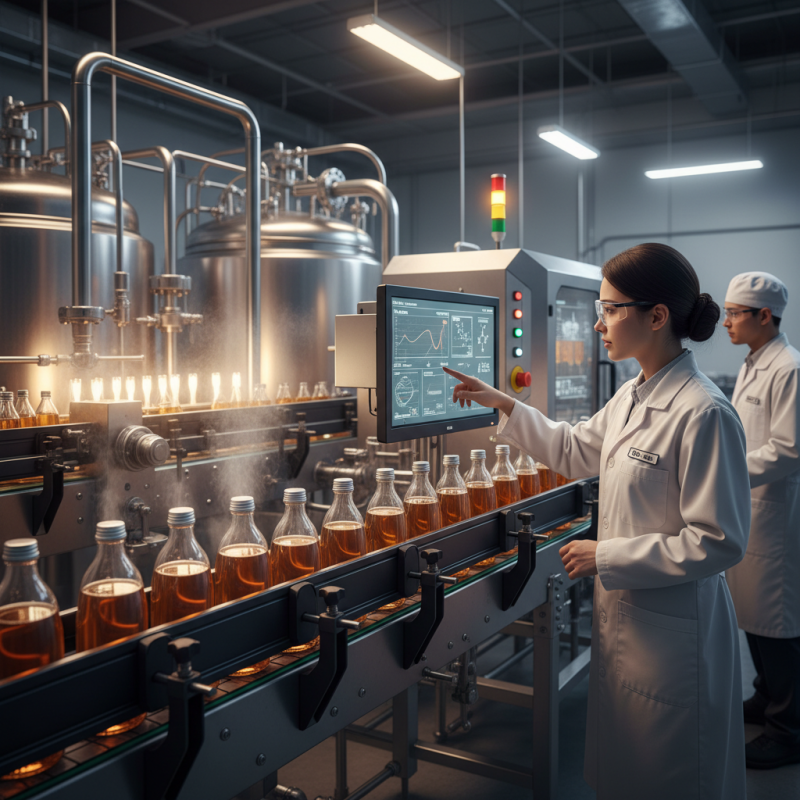
How to Enhance Heat Resistance in Hot Fill Beverages?

Understanding Heat Resistance in Hot Fill Beverages

Understanding heat resistance in hot fill beverages is crucial for manufacturers. Hot fill processes involve filling beverages at high temperatures. This helps in extending shelf life by reducing microbial growth. However, not all packaging materials can withstand these hot temperatures. Proper selection of materials is essential.

Heat resistance varies significantly across different types of packaging. Glass and some plastics handle higher temperatures better than others. Yet, even within these categories, there are limitations. Some materials can warp or release harmful substances when exposed to high heat. Testing different materials under extreme conditions is vital to ensure safety and quality.

Manufacturing practices also play a role in enhancing heat resistance. Consistent temperature monitoring during production is important. Inadequate control can lead to inconsistent heat exposure, affecting the ultimate product quality. Operators must be well-trained in these processes, but human error can still occur. Reflection on these practices can lead to improvements and ensure the final product remains safe and enjoyable for consumers.

Key Ingredients for Enhancing Hot Beverage Stability

In hot fill beverages, the choice of key ingredients plays a vital role in enhancing stability and heat resistance. According to a report by the Beverage Industry, adjusting pH levels and using stabilizing agents can significantly impact the shelf-life of these products. For example, citric acid and malic acid are commonly used to help maintain flavor and prevent microbial growth, ensuring that the beverage remains safe and enjoyable for consumers.

Recent studies indicate that certain thickeners, such as xanthan gum, can improve the mouthfeel of hot fill beverages while also providing heat stability. These natural polysaccharides perform well in high temperatures, maintaining viscosity without compromising texture. However, the use of these stabilizers requires careful consideration, as overuse may lead to an undesirable, slimy mouthfeel.

The formulation of hot fill beverages is not without its challenges. Balancing flavor preservation with ingredient stability necessitates constant testing and optimization. Understanding the interactions between various ingredients, including acids, sugars, and stabilizers, is crucial. Industry experts emphasize the need for rigorous quality control and ongoing research to adapt to changing consumer preferences and ingredient advancements.

Packaging Solutions to Improve Heat Retention

In the world of hot-fill beverages, maintaining heat retention is crucial. Effective packaging plays a vital role in achieving this goal. One popular solution is using insulated containers, which are designed to trap heat and maintain beverage temperature for a longer period. These containers often feature multi-layer designs, incorporating materials like foam or vacuum insulation. This design creates a barrier against heat loss.

Another innovative approach is utilizing thermal barrier coatings. These coatings can be applied to the inner surfaces of beverage containers. They reflect heat back into the drink while preventing heat from escaping. This method not only enhances the thermal retention of beverages but also improves their overall quality. However, it's essential to ensure the coatings are safe for contact with food and beverages.

While these solutions show promise, challenges persist. Some materials can be costly, raising concerns for manufacturers. Furthermore, finding the right balance between cost and effectiveness remains a constant hurdle. Continuous testing and research are necessary to refine these packaging technologies. Many manufacturers are still exploring viable options that combine efficiency and affordability.

How to Enhance Heat Resistance in Hot Fill Beverages? - Packaging Solutions to Improve Heat Retention

Material Heat Resistance (°C) Insulating Properties Lightweight (Yes/No) Recyclable (Yes/No)
Polyethylene Terephthalate (PET) 70 Moderate Yes Yes
Glass 95 High No Yes
Polypropylene (PP) 80 Good Yes Yes
Aluminum 85 Excellent No Yes
Biodegradable Plastics 60 Low Yes Yes

Optimizing Processing Conditions for Heat Resistance

When optimizing processing conditions for heat resistance in hot fill beverages, several crucial factors come into play. Temperature control is essential. Maintaining the right filling temperature ensures microbial stability while preserving flavor. However, excessively high temperatures can degrade sensitive ingredients. Finding a balance is vital.

Time is another critical element. The duration of heat exposure affects both safety and quality. Long processing times can lead to nutrient loss, altering taste and effectiveness. Shortening this duration without compromising safety could benefit product integrity. Moreover, monitoring equipment efficiency can reveal areas for improvement that aren’t immediately obvious.

Packaging materials also influence heat resistance. Not all materials perform equally under high temperatures. Experimenting with variations might yield better outcomes, although this approach requires time and resources. Sometimes the answer lies in unexpected adjustments. It's crucial to be adaptable, learning from trial and error, to enhance heat resistance in beverages effectively.

Quality Control Measures in Hot Fill Production

Quality control in hot fill production is crucial for maintaining the integrity of beverages. Research indicates that the proper temperature control during the filling process ensures microbial safety and product longevity. For example, hot filling at temperatures above 85°C can significantly reduce the risk of spoilage. However, temperature consistency is often challenging to maintain, leading to potential quality issues.

Monitoring pH levels and adjusting as necessary is another essential quality control measure. Studies show that beverages with a pH below 4.5 are less prone to microbial contamination. Regular testing can help identify any fluctuations. Many producers have implemented automated systems for real-time monitoring, enhancing both reliability and efficiency in production.

Incorporating sensory evaluations adds a layer of quality assurance that data alone cannot provide. Taste, aroma, and appearance are subjective but critical factors affecting consumer satisfaction. However, balancing technical specifications with sensory attributes is complex. Producers often face pressure to meet cost-effective solutions while ensuring quality, leading to potential inconsistencies. Addressing these challenges requires ongoing refinement and a commitment to quality improvement in hot fill systems.

FAQS

: Why is heat retention important for hot-fill beverages?

: Maintaining heat retention keeps beverages at the desired temperature longer. This impacts customer satisfaction.

What types of packaging enhance heat retention?

Insulated containers and thermal barrier coatings improve heat retention. They trap heat effectively.

How do insulated containers work?

They use multi-layer designs with materials like foam. These designs create barriers against heat loss.

What role do thermal barrier coatings play?

They reflect heat back into beverages while preventing heat escape. This boosts overall beverage quality.

What challenges do manufacturers face with heat retention packaging?

Some materials can be expensive. Balancing cost and effectiveness remains a constant hurdle.

How does temperature control affect hot fill production?

Proper temperature control ensures microbial safety. It also extends the product's shelf life.

Why is monitoring pH levels essential?

Beverages with a low pH are less likely to spoil. Regular testing helps maintain these levels.

What is the importance of sensory evaluations in production?

Taste and aroma affect customer satisfaction. Balancing this with technical specs is often complex.

How do automated systems improve quality control?

They offer real-time monitoring, enhancing reliability and efficiency. This helps identify issues promptly.

What ongoing challenges do producers face?

They must ensure quality while also being cost-effective. Continuous refinement is needed to address inconsistencies.

Conclusion

Enhancing heat resistance in hot fill beverages is crucial for maintaining product quality and stability. Understanding the fundamental principles of heat resistance helps identify key ingredients that can fortify the beverage's stability during high-temperature processing. Incorporating specific stabilizers or antioxidants can significantly improve heat resistance for hot-fill beverage applications, ensuring they withstand the rigors of filling and storage.

Moreover, packaging solutions play a vital role in heat retention, with materials designed to minimize thermal loss. Optimizing processing conditions is also essential, as factors like temperature and time can impact heat resistance. Finally, implementing robust quality control measures throughout the hot fill production process will ensure that the end product meets the necessary standards for heat resistance, ultimately leading to enhanced consumer satisfaction.

Amelia

Amelia

Amelia is a seasoned marketing professional with a wealth of expertise in our company’s core offerings. With an unwavering passion for driving growth and innovation, she plays a pivotal role in shaping our marketing strategies and enhancing brand visibility. A key aspect of her responsibilities......