Product Description
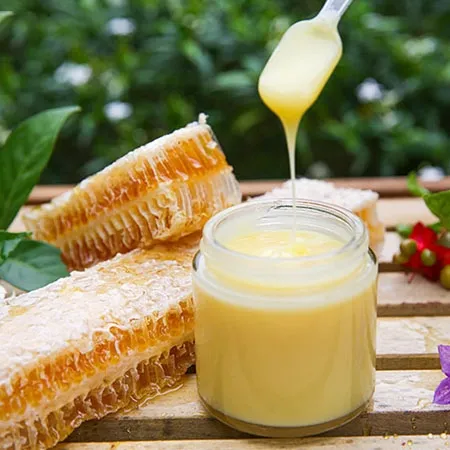
Royal Jelly is a complicated ingredient bee products. It contains protein, fatty acid, saccharides, vitamin A, vitamin B1, vitamin B2, folic acid, pantothenic acid and inositol. It contains a material that is like acetyl choline.
Royal Jelly chemical component is different because of different bees, age, seasons and staminate plant. Generally speaking, royal jelly contains water, raw protein, carbohydrate, lipid, minerals and some unsure materials.
Frequently Asked Questions
Q1: What exactly is Royal Jelly?
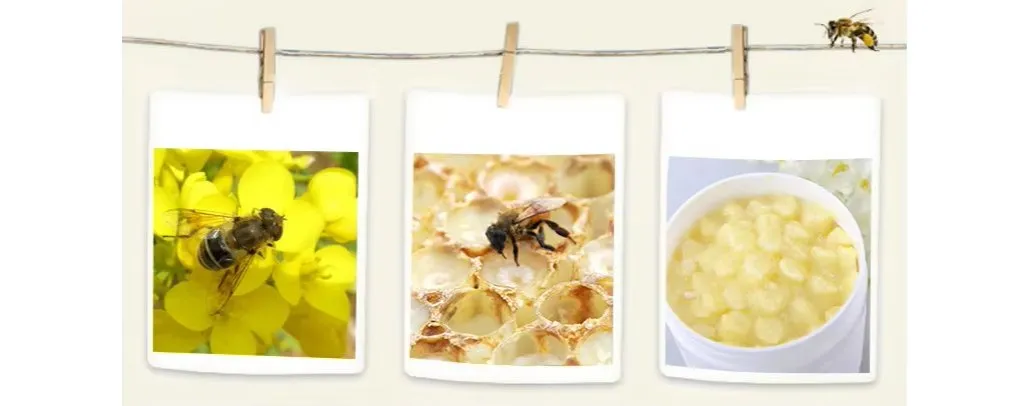
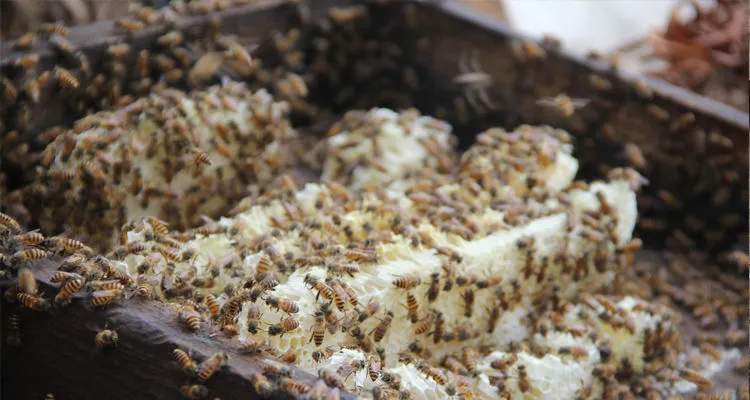
Royal Jelly is a nutrient-rich substance secreted by nurse bees to nourish queen bees and larvae, known for its high protein and vitamin content.
Q2: What is the significance of 10-HDA in Royal Jelly?
10-HDA (10-Hydroxy-2-decenoic acid) is a unique fatty acid found only in Royal Jelly and is used as a primary marker for its quality and authenticity.
Q3: How should I store fresh Royal Jelly?
It should be stored in a cool, dry place and must be kept tightly sealed. To maintain long-term freshness, refrigeration or freezing is often recommended.
Q4: What are the main nutrients found in this product?
It contains proteins (11-14.5%), carbohydrates like fructose and glucose, essential fatty acids, and a variety of B-complex vitamins and minerals.
Q5: What is the shelf life of the Royal Jelly?
Under proper storage conditions (cool, dry, and sealed), the shelf life is typically more than 12 months.
Q6: Is this product 100% natural?
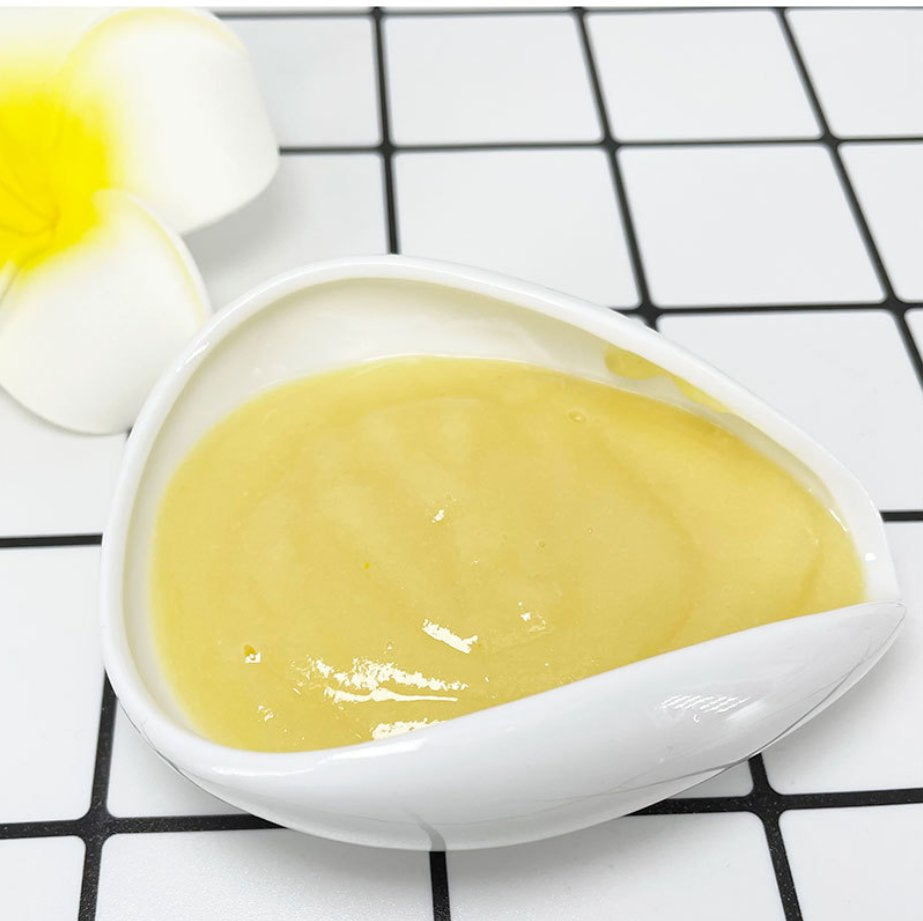
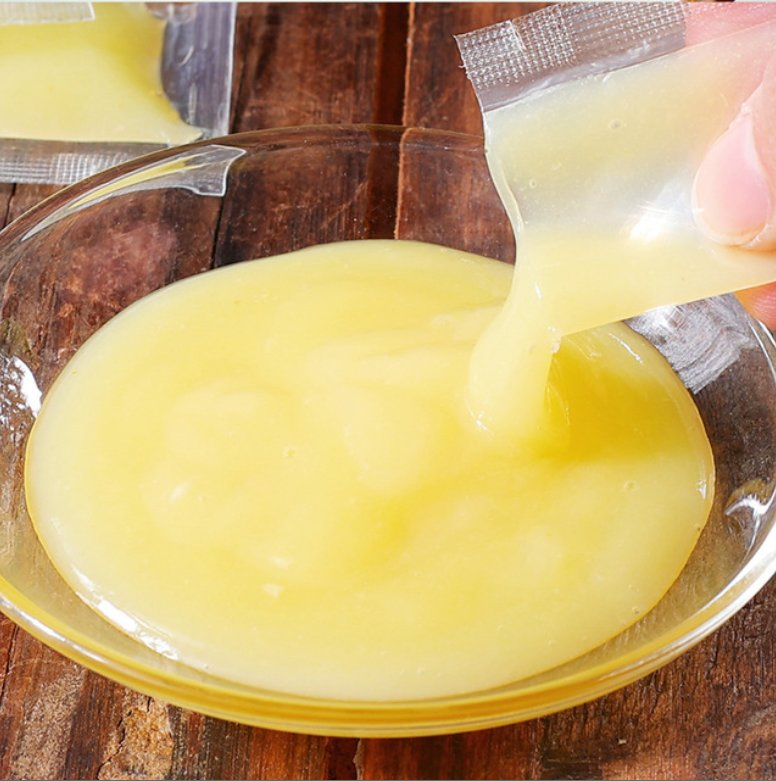
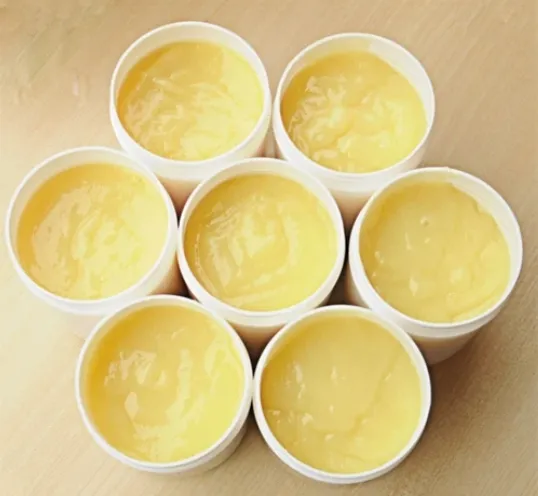
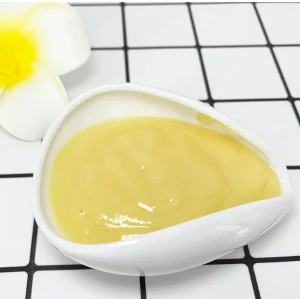
Yes, it is processed as a pure, natural ingredient without artificial additives, maintaining its original pasty form.
 Bogart Glass