Product Description
High Quality Lead Glass
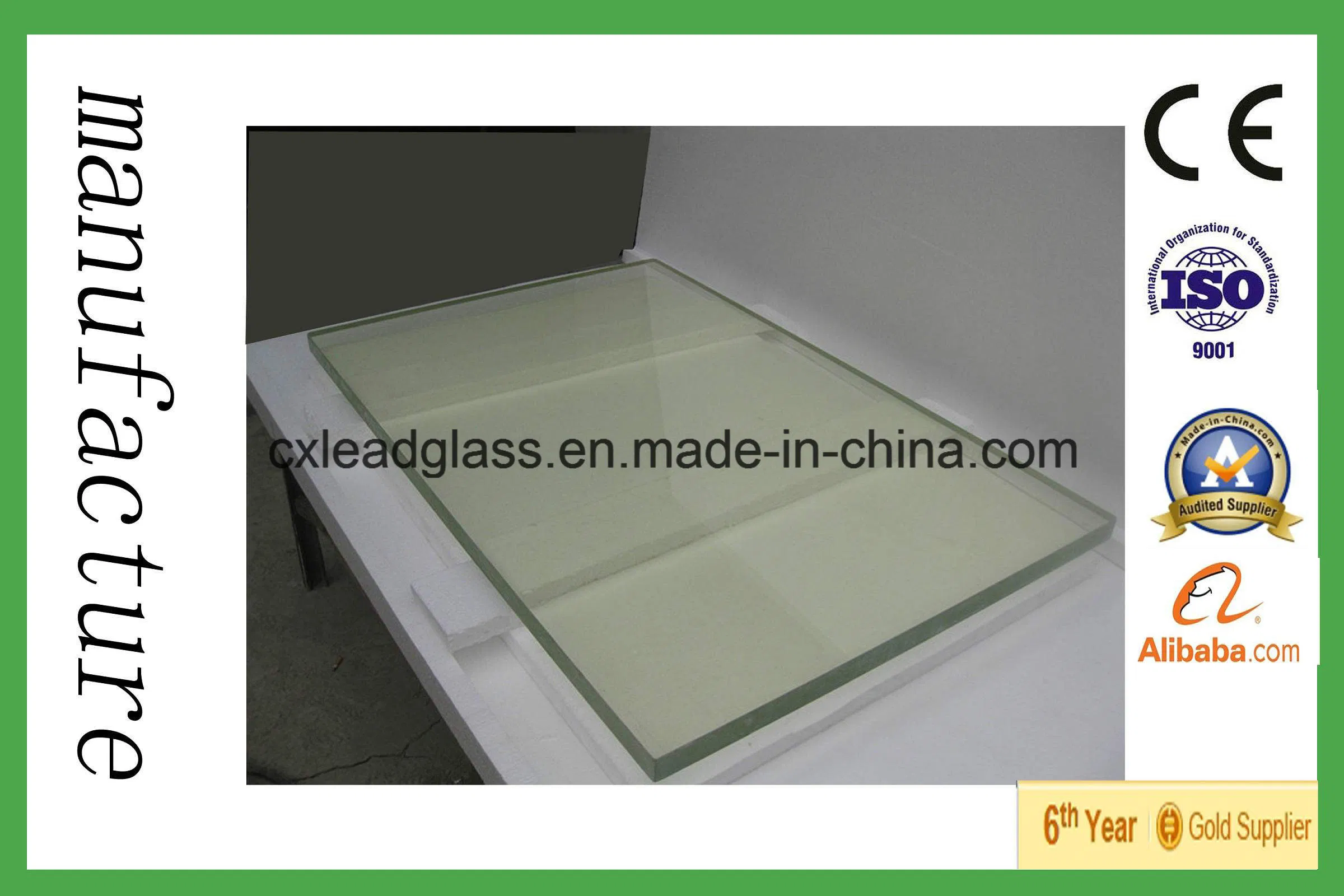
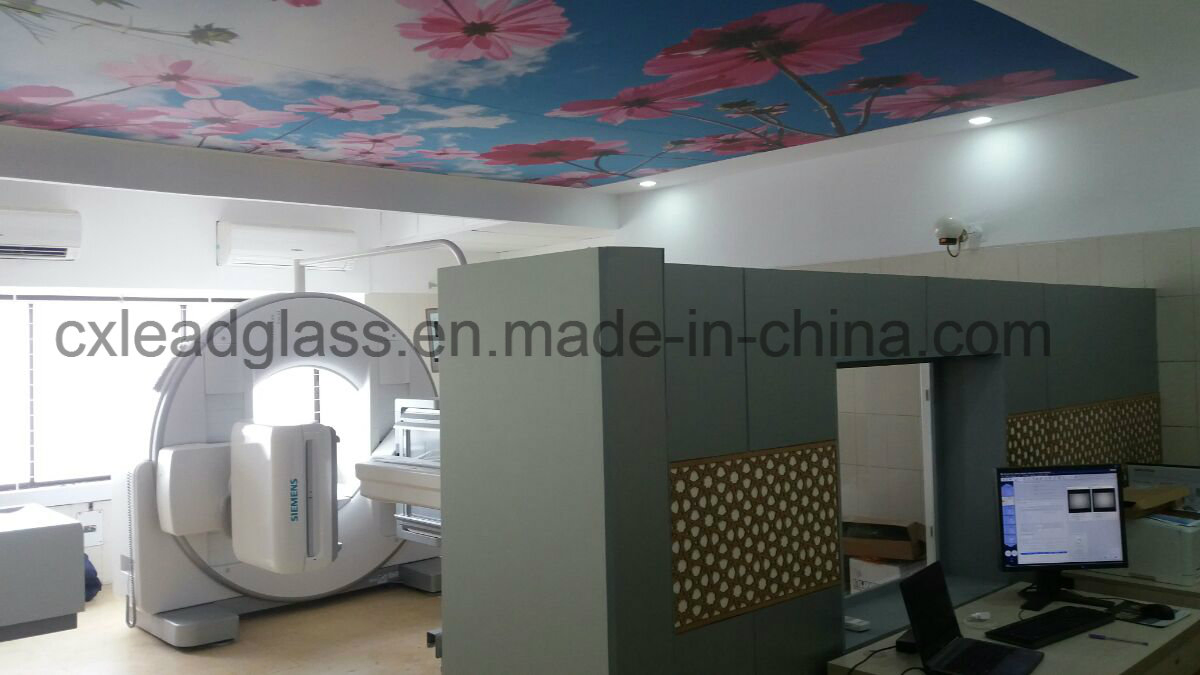
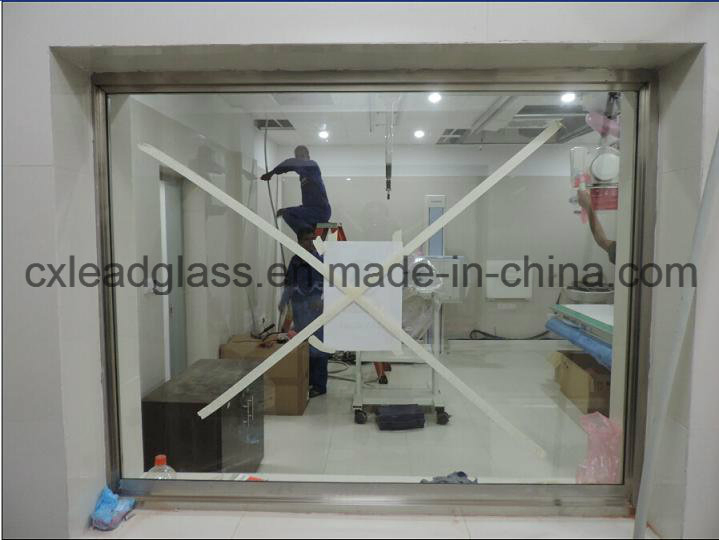
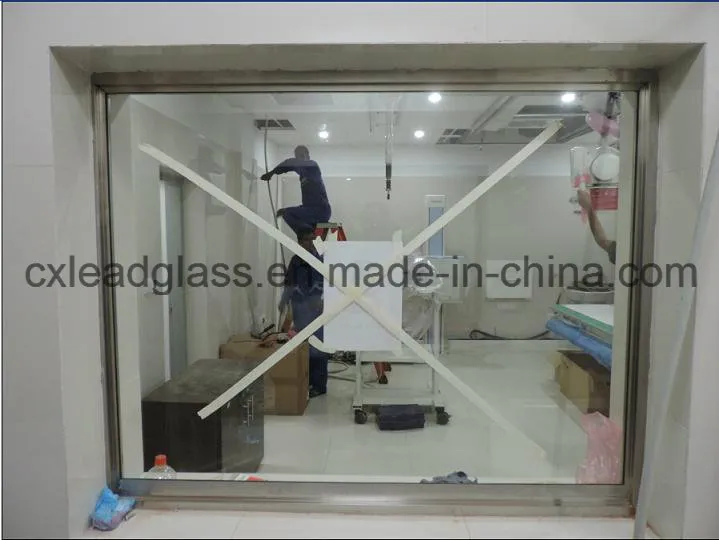
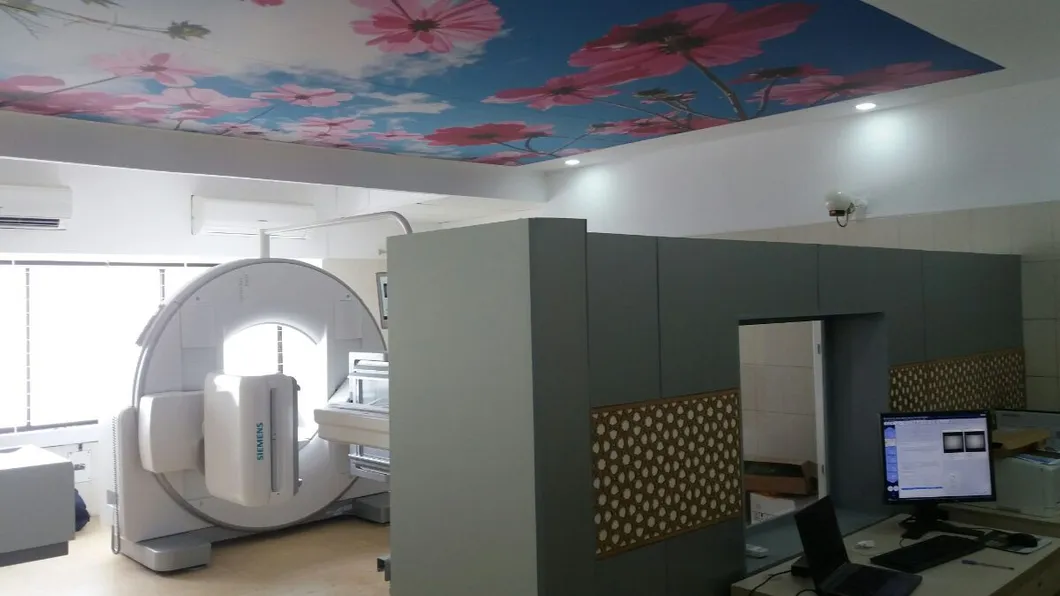
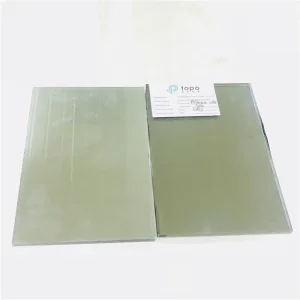
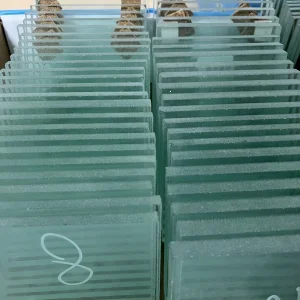
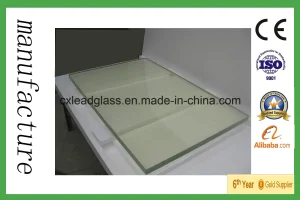
Lead glass viewing windows are an important feature for any scanning room, safely allowing the operator to view their patient in a protective environment. Depending on your requirements, lead glass can be provided at any size, and the lead material used in the glass can vary depending on the strength of protection needed.
🛡️
Excellent protection against gamma and X-rays. Can be integrated into all room shielding systems.
Common Applications:
- X-ray rooms & CT Scanning rooms
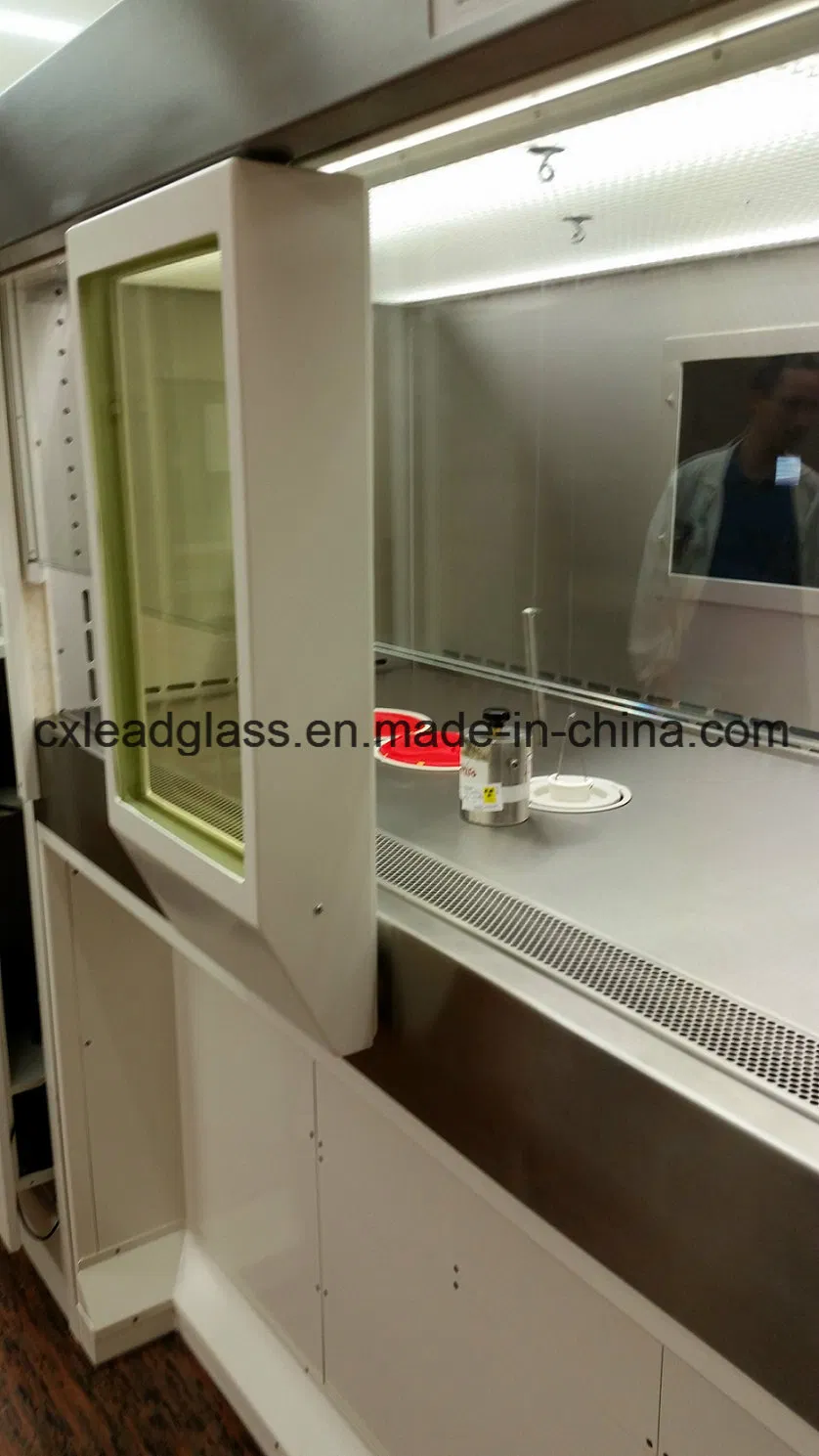
- Medical diagnostic rooms & Laboratories
- Radiation protection doors & Nuclear doors
- Medical performance doors & Surgery rooms
- Radiation stations
| Type |
Index of Refraction |
Density |
Lead Equivalent |
Light Transmittance |
PBo% |
| ZF3 |
1.71720 |
4.46gm/cm |
0.24mmpb/mm |
>85% |
61.03% |
| ZF7 |
1.0600 |
5.2gm/cm |
0.33mmpb/mm |
Less than 85% |
71% |
| ZF6 |
1.75500 |
4.77gm/cm |
0.27mmpb/mm |
Less than 85% |
65.06% |
Frequently Asked Questions
Q1: What is the primary function of radiation lead glass?
A1: It is used for radiation shielding in medical and industrial settings, allowing clear observation while protecting personnel from X-rays and gamma radiation.
Q2: Can lead glass be customized to specific sizes?
A2: Yes, lead glass can be cut to any required geometric shape and size up to a maximum of 2.4*1.2m.
Q3: How does ZF3 compare to ZF6 in terms of density?
A3: ZF3 has a density of 4.46gm/cm, while ZF6 is slightly denser at 4.77gm/cm, offering different levels of protection.
Q4: Is the transparency affected by the lead content?
A4: Despite high lead content for protection, our ZF3 series maintains high light transmittance (>85%) for excellent visibility.
Q5: What are the packaging standards for transportation?
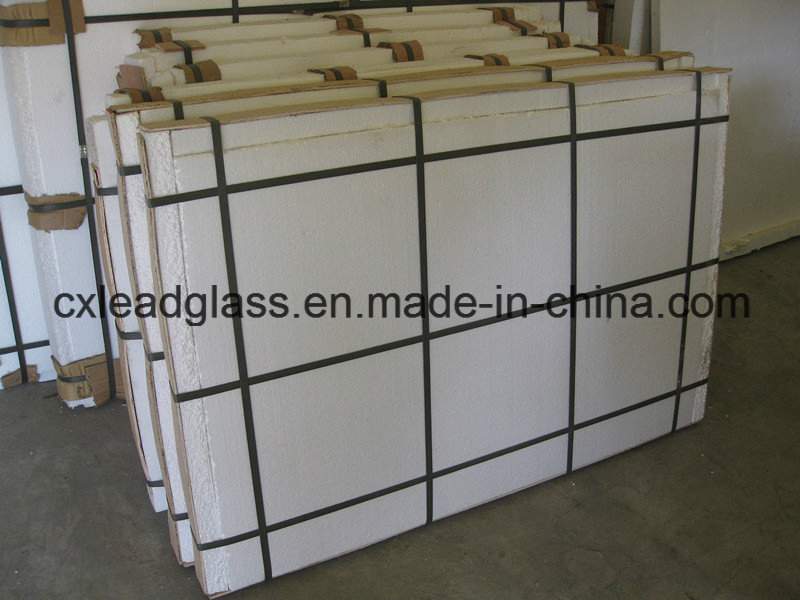
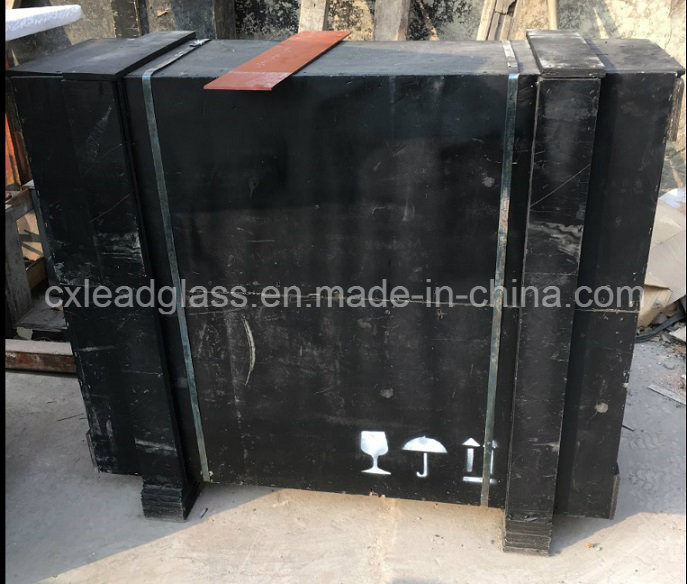
A5: To ensure safety during transit, all lead glass is securely packed using protective foam and reinforced wooden cases.
Q6: What certifications does your lead glass hold?
A6: Our products comply with international safety standards and hold CE & ISO certifications.
 Bogart Glass