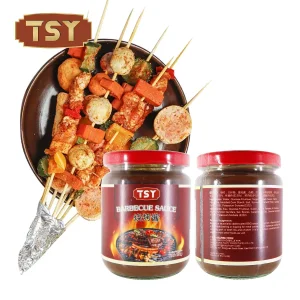
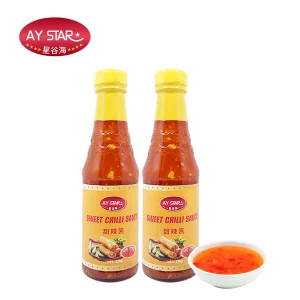
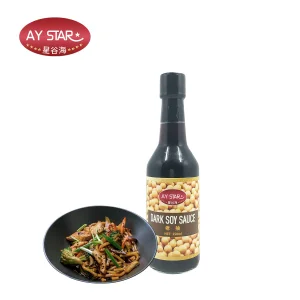
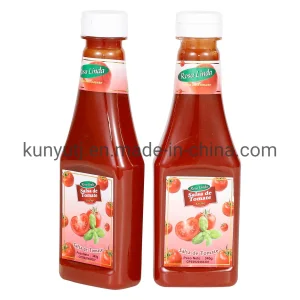
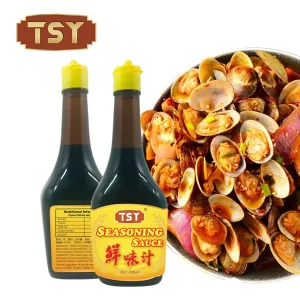
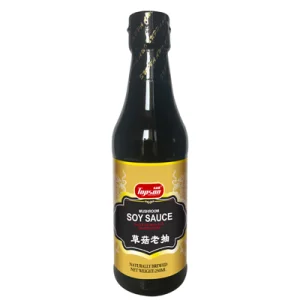
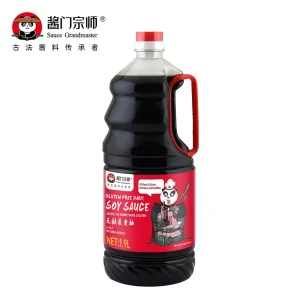
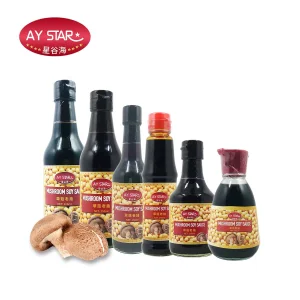
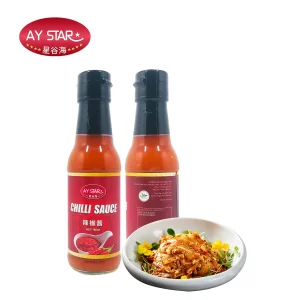
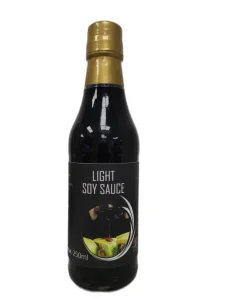
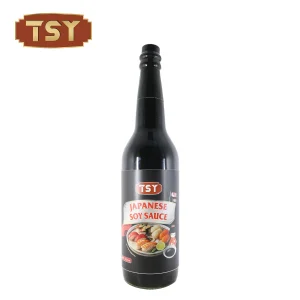
Engineered to withstand extreme relative humidity and elevated temperatures, ensuring preservation and leakage prevention in South Tarawa and the Outer Islands.
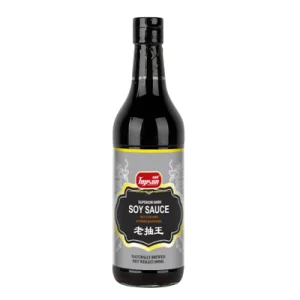
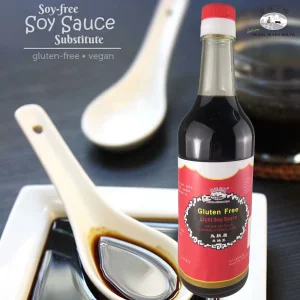
Kiribati, an archipelagic nation composed of 33 atolls and islands, presents a unique challenge for food safety, preservation, and packaging logistics. The combination of high ambient temperatures (average 28°C to 32°C), high relative humidity (often exceeding 80%), and intense marine salinity accelerates the oxidation of metal closures and degrades low-grade plastics. Consequently, local manufacturers, bottlers, and food distributors are shifting from plastic (PET) back to high-grade soda-lime and borosilicate glass containers.
Glass is completely chemically inert, meaning it does not react with acidic sauces (like vinegar, citrus marinades, or fermented hot pepper sauces) or highly alkaline condiments. Furthermore, glass provides an absolute barrier against moisture vapor and oxygen transmission, which is vital for preventing spoilage and maintaining flavor consistency over extended shelf-lives in equatorial regions.
“SIDS (Small Island Developing States) such as Kiribati face unique challenges in domestic waste management. High-performance glass, with its capacity for infinite washing and reuse cycles locally, offers a sustainable loop compared to single-use plastics that strain fragile landfill systems on thin atoll strips like South Tarawa.”
Guangzhou Bogart Glass Products Co., Ltd. manufactures export-grade glass bottles to meet rigorous global criteria, designed specifically to address the demands of tropical logistics:
| Property | Specification Target | Testing Protocol |
|---|---|---|
| Hydrolytic Resistance | Class HGB 1 (ISO 719) / Type III Glass | Powdered Glass Autoclave Test |
| Thermal Shock Resistance | ΔT ≥ 40°C (up to 45°C) | Rapid temperature change immersion |
| Internal Stress (Annealing) | Real temper rating ≤ Grade 4 | Polariscope strain optical analysis |
| Heavy Metal Content | Lead, Cadmium, Mercury < 100 ppm total | US FDA / EU Directive 94/62/EC compliance |
| Vertical Load Strength | ≥ 1.5 kN to 3.0 kN depending on capacity | Hydraulic pressure and mechanical press limits |
As a leading supplier based in Guangzhou—a global maritime transport hub—Bogart Glass optimizes the route to Oceania. Direct sea lines from Port of Nansha or Shenzhen to transshipment ports in Fiji (Suva) or Australia (Brisbane) ensure that containerized glass bottle shipments reach the Port of Betio (Tarawa) with minimal handling damage. Our specialized export packing involves dual-corrugated cartons, moisture-barrier wrapping, and robust polymer cell-dividers to prevent glass-on-glass friction during rough sea crossings.
From raw material selection to complex physical-chemical surface treatments, our systems ensure absolute reliability for global markets.
Advanced glass melting furnaces ensure that glass raw materials are fully melted, with a large daily output of glass liquid, which can meet the needs of large-scale production. Automated IS machines guarantee consistent neck finishes (28mm, 38mm, 48mm lug and thread styles).
Raw material inspection: We strictly test each batch of raw materials to ensure they meet high-quality standards and control product quality from the source. In-line optoelectronic systems inspect for bubbles, stones, and micro-cracks before packing.
Our factory has a professional R&D team, whose members cover multiple fields such as materials science and process design. We develop custom shapes and lightweight glass containers designed to lower ocean shipping rates to remote islands.
We use advanced technology and equipment to improve energy efficiency. Utilizing recycled cullet reduces energy consumption in our electric booster furnaces, contributing to lower carbon footprints across the supply chain.
We have a complete after-sales service system, so you can purchase with confidence. Every ocean cargo container is insured, and we offer dedicated custom brokerage support for documentation required at South Tarawa port clearance.
Offering specialized post-treatments: high and low temperature silk screen, spray paint, hot stamping silver, frosting, grinding, spraying, and polishing. Crucial for premium brand differentiation in competitive food retail shelves.
Tracing our technological upgrades and transition to a leading international glass supplier.
Accumulated production experience and technology, produced on a small scale, and established a foothold in the local market with quality and integrity. Expanded the product line to cosmetics and food glass packaging, improving screen printing methods.
Optimized the sanding, frosting, and polishing processes. Expanded logistics to surrounding trading hubs, increasing product durability to combat sea-spray and atmospheric moisture during containerized storage.
Achieved breakthroughs in hot stamping/silver stamping processes. Guangzhou Bogart established a specialized foreign trade division, participated in major trade fairs, and began targeted exports to island countries in the Pacific, including Kiribati, Fiji, and Samoa.
Integrated automated visual inspection units and computerized temperature control lehrs. Strengthened global logistics networks, ensuring custom clearance documentation compliance for the food-safety departments of ocean state clients.
These configurations feature optimized base thicknesses to resist impact fractures during rugged domestic distribution across atolls.
As sustainability regulations tighten globally, Bogart Glass is continuously modernizing our design portfolio to minimize resource consumption and freight impact for isolated markets like Tarawa, Kiritimati, and Banaba:
Due to the atmospheric chloride concentration present in the coastal warehouses of Betio, standard metal tinplate closures are prone to localized rust. We strongly advise our Kiribati partners to adopt the following measures:
1. Closure Selection: Request high-density polypropylene (HDPE) plastic caps or food-grade aluminum caps with custom corrosion-resistant varnishes.
2. Liners: Implement PE, Plastisol, or induction-induction sealing liners to block salt air from contaminating highly sensitive liquid condiments like naturally brewed organic soy sauce.
3. Warehouse Management: Maintain a relative humidity below 70% where possible and store finished boxes off the ground on plastic pallets to limit condensation absorption on carton bases.
Detailed technical and commercial queries regarding glass bottle exports to Kiribati.
Yes. We arrange containerized logistics (FCL and LCL shipments) departing from Guangzhou Nansha Port or Shenzhen Port. The route usually transships through Suva (Fiji) or Auckland (New Zealand) using regional ocean liners. We handle export documentation, certificates of origin, and loading safety logs.
For existing catalog molds (such as our standard 150ml, 250ml, and 500ml soy sauce glass bottles), the MOQ is typically 10,000 units. For completely custom shapes requiring dedicated molds, the design MOQ starts at 30,000 to 50,000 units depending on the size and processing complexity.
Our bottles undergo annealing treatment in specialized computerized lehrs to remove internal structural stresses. The glass meets a thermal shock resistance threshold of ΔT ≥ 40°C. This guarantees that filling warm soy sauce or hot chili paste (up to 85°C) is safe, provided standard pre-heating protocols are followed during processing.
Absolutely. We offer complete packaging systems. Based on your sauce acidity and the high-salinity environment of Kiribati, we supply plastic caps (lug/thread), metal-plastic caps, aluminum caps, and custom silicone oil valves, complete with matching food-grade induction seals.
Yes, our raw materials are entirely lead-free, arsenic-free, and meet US FDA standards (Title 21 CFR), EU safety regulations, and BRC global food safety packing requirements. Many of our finished bottle configurations are also paired with Halal-certified contents when exported as pre-packaged goods.
Get in touch with our engineering and logistics specialists to obtain custom quote samples, physical test results, or to start custom tooling processes.
Send Inquiry Now Bogart Glass