High-Precision Vials and Bottles for Medical, Cosmetic, and Laboratory Applications.
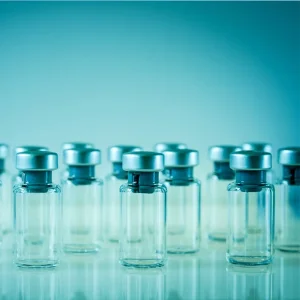
The global market for small glass vials is undergoing a seismic shift. Driven by the surge in biologics, personalized medicine, and the "clean beauty" movement, the demand for high-quality neutral borosilicate glass has never been higher. According to recent market analysis, the pharmaceutical glass packaging market is expected to grow at a CAGR of 6.2% through 2030.
Traditional soda-lime glass is being phased out in high-tech sectors in favor of Type I Neutral Borosilicate glass. This material offers superior chemical resistance and thermal stability, crucial for preventing leaching in sensitive injectable drugs and high-end facial serums. New "aluminosilicate" glasses are also emerging, offering even higher strength for high-speed filling lines.
Global procurement teams are now prioritizing factories that utilize Post-Consumer Recycled (PCR) glass. Leading factories in China and Europe are implementing closed-loop systems, reducing carbon footprints by up to 30% through advanced furnace technologies and electric melting systems.
Modern Chinese factories utilize AI-powered vision systems to inspect 100% of vials for micro-cracks and dimensional accuracy at speeds of 600 pieces per minute.
Located in manufacturing hubs like Guangzhou, factories enjoy "Zero-Kilometer" supply chains, with raw material and logistics providers in immediate proximity.
Industry 4.0 allows for "Mass Individualization," where custom molds and high-end finishes (silk screening, frosting, hot stamping) are produced with minimal lead times.

Bogart Glass is a comprehensive enterprise integrating development, research, production, and sales. With a legacy spanning from 2008, the company has evolved from a local manufacturer to a global leader in cosmetic and pharmaceutical glass packaging.
Guangzhou Bogart Glass Products Co., Ltd., as the source of high-quality glass products, has complete facilities and rigorous management. Our professional team has cultivated with ingenuity, earning countless accolades in the industry. We have established a comprehensive after-sales service system to fully meet your needs. No matter what your needs and preferences are, we will do our best to provide you with the best service.
A professional R&D team covering materials science and process design to bring "concept to reality."
Utilizing advanced technology to improve energy efficiency and minimize carbon emissions in glass melting.
Complete after-sales system ensures procurement security and long-term partnership reliability.
When sourcing from a Small Glass Vials Factory, professional buyers (B2B) focus on three core pillars: Compliance, Consistency, and Customization.
Verification of ISO 9001, FDA registration, and CE certifications. Buyers in the EU and North America require strict adherence to USP <660> and EP 3.2.1 standards for glass hydrolytic resistance.
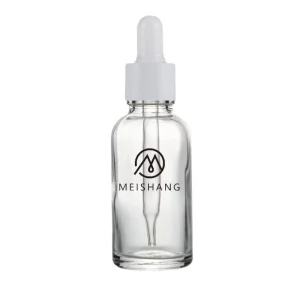
Modern buyers value suppliers who provide detailed technical drawings, 3D prototypes, and compatibility testing with closure systems (droppers, spray pumps, etc.).
With global logistics fluctuations, buyers seek factories with robust inventory management and multi-modal shipping options (Sea, Air, Rail).
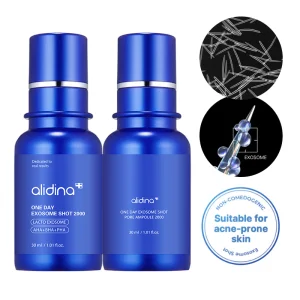
Korean skincare brands require ultra-clear, "glass skin" aesthetic vials with unique gradients and ergonomic pump systems for high-viscosity serums.
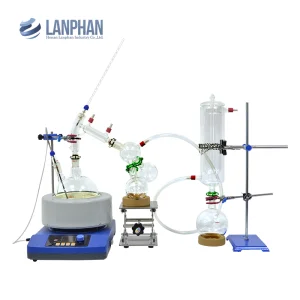
Laboratories in the US demand Type I Borosilicate vials for diagnostic reagents, requiring strict pyrogen-free certification and cryogenic stability.
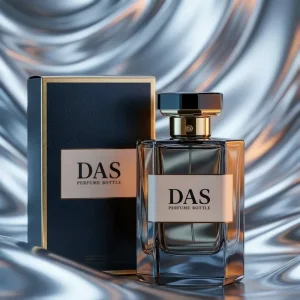
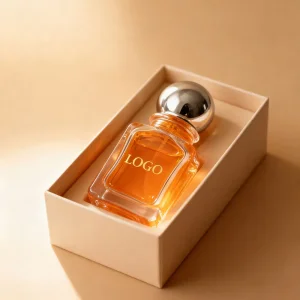
Luxury perfume houses focus on "Super Flint" glass quality, which offers diamond-like clarity and high refractive indices for premium shelf appeal.
Wholesale Solutions for Global Distributors and Manufacturers.
 Bogart Glass