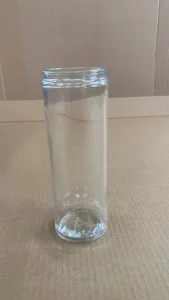
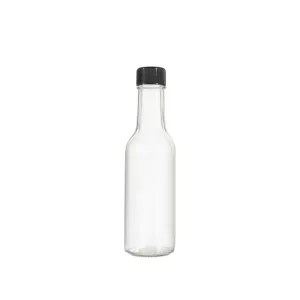
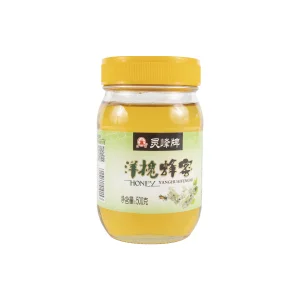
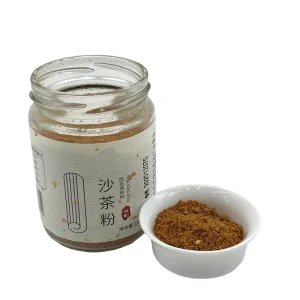
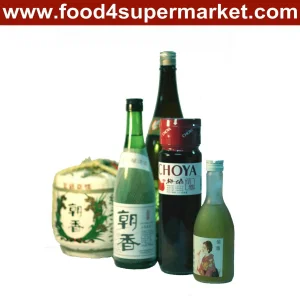
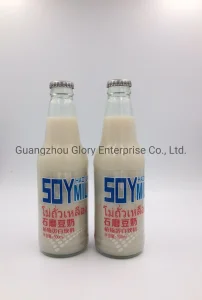
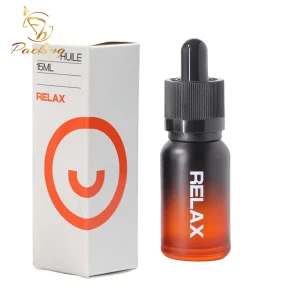
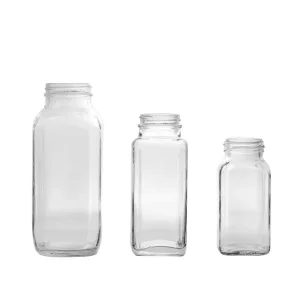
Explore our top-tier collection of apothecary and custom glass containers engineered for cosmetics, pharmaceutical storage, and premium consumer goods.
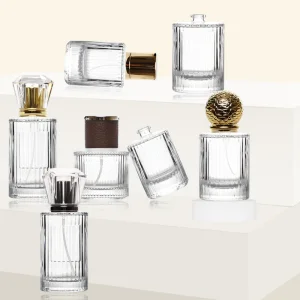
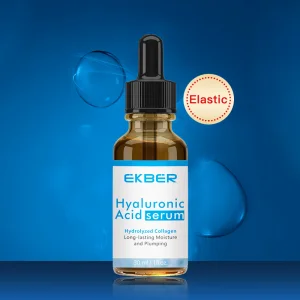
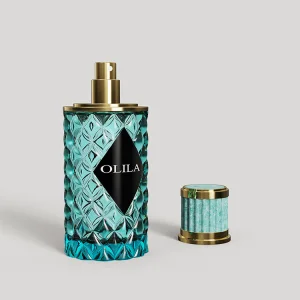
Unveiling the transition of apothecary glass jars from traditional storage vessels to modern, high-tech industrial packaging solution.
Apothecary glass jars have long surpassed their historical role as simple containers for dry herbs and basic pharmaceutical preparations. In today's commercial landscape, these jars are a vital asset in the packaging lines of global pharmaceutical, nutraceutical, cosmetic, and high-end artisanal food companies.
Chemically inert, endlessly recyclable, and exceptionally protective, the modern apothecary jar represents the pinnacle of material safety and aesthetic value. The rising consumer demand for plastic-free, sustainable packaging solutions has propelled glass jars back into the industrial spotlight, prompting massive structural upgrades in manufacturing facilities across the globe.
By preventing the migration of volatile chemical compounds and blocking harmful UV radiation, high-grade soda-lime and borosilicate glass remain the default standard for companies looking to preserve product potency. Whether you are an industrial procurement manager, an OEM cosmetic brand owner, or a specialized pharmaceutical formulator, selecting the right global supplier is critical for maintaining supply-chain resilience and quality control.
How industries customize apothecary glass jar designs to serve demanding technical requirements.
For chemical and medical storage, Type I Borosilicate and Type III Amber Soda-Lime glass jars offer exceptional hydrolytic resistance. This ensures that liquids, reagents, and parenteral drugs are kept completely stable without pH shifts caused by glass degradation.
From organic facial serums (incorporating Vitamin C, Retinol, and Hyaluronic Acid) to high-viscosity lotions, apothecary jars with airtight ground-glass stoppers or pump dispensers prevent oxidization and extend critical ingredient efficacy.
Gourmet products like raw honey, organic spices, and specialty oils demand high-purity glass to preserve natural flavor profiles. Impervious to moisture and outside elements, apothecary jars maintain structural freshness and prevent clumping.
| Glass Type / Material Class | Common Applications | USP / ISO Compliance Standard | Hydrolytic Resistance Rating |
|---|---|---|---|
| Type I (Borosilicate Glass) | Highly reactive chemicals, injections, essential oil components | USP <660> / EP 3.2.1 | Extremely High (Class H1) |
| Type II (Treated Soda-Lime) | Acidic or neutral aqueous preparations | USP <660> | High |
| Type III (Regular Soda-Lime) | Cosmetics, honey, spices, dry powders, general apothecary | ISO 4802 / FDA GRAS | Moderate (Class H3) |
What defines a world-class apothecary glass manufacturer? Use this professional evaluation guide.
Choosing an industrial glass supplier involves far more than simply comparing unit prices. A minor discrepancy in neck finish tolerance or glass distribution can lead to catastrophic losses on automated filling lines. To help buyers mitigate risk, we've broken down the key capabilities that separate Tier-1 exporters from standard manufacturers:
Ensure your chosen global exporter provides:
A comprehensive manufacturer profile detailing engineering capabilities, rigorous QC, and dynamic global export footprint.
Guangzhou Bogart Glass Products Co., Ltd. is a premier, comprehensive global enterprise that seamlessly integrates industrial development, material research, high-capacity production, and international sales. Bogart Glass has cultivated deep expertise in cosmetic and pharmaceutical packaging, supplying highly sought-after packaging solutions like essential oil bottles, cream jars, lotion containers, and custom perfume spray glass bottles. They also supply specialized components including lids, high-precision nozzles, pressure pumps, and metal hardware kits.
To meet diverse aesthetic and functional requirements, the factory offers a robust lineup of post-processing services, including high and low-temperature silk screening, precision spray painting, hot silver and gold stamping, professional frosting, acid etching, grinding, spraying, and custom polishing.
Accumulating core production expertise, Bogart Glass built local trust through high-quality integrity. The company expanded its lines to include high-demand cosmetic containers while optimizing silk screening and sanding techniques to meet growing local customer needs.
Achieving breakthroughs in hot stamping/silver plating processes and innovative chemical polishing, Bogart established a specialized foreign trade division in Guangzhou. Participating in key global packaging exhibitions, they secured distribution agreements with international brands across several regions.
Guangzhou Bogart Glass Products Co., Ltd. operates with state-of-the-art facilities and a rigorous, ISO-compliant management framework. A dedicated after-sales system ensures smooth technical coordination, customizable order structures, and rapid transit guarantees.
Glass Melting Furnaces: Advanced glass melting furnaces ensure raw materials are fully melted under optimized temperature gradients. This supports massive daily liquid glass output, minimizing batch discrepancies and meeting heavy industrial volume demands.
Raw Material Integrity: Every batch of incoming silica, lime, and coloring agent undergoes strict chemical screening to ensure zero heavy metal contamination, ensuring compliance with strict international food and pharmaceutical standards.
Adapting manufacturing processes to align with global environmental policies and lightweight glass engineering.
By using advanced NNPB (Narrow Neck Press and Blow) technology, manufacturers can reduce glass container weight by up to 20% without sacrificing structural durability, significantly reducing carbon footprints during transit.
Integrating PCR cullet into raw material formulations lowers furnace melting temperatures, saves vital energy, and reduces sulfur dioxide and carbon emissions during chemical reactions.
Replacing heavy metal-based inks with water-based organic variants and UV-cured screen printing ensures the jars remain entirely non-toxic and easily recyclable.
Ensuring smooth import clearance and product safety compliance across major global jurisdictions.
Importing industrial glass packaging requires navigating complex regional regulations. Failure to secure safety compliance certifications can result in custom hold-ups and expensive port fees. Bogart Glass helps ease this process by maintaining strict alignment with key regulatory bodies:
Bogart Glass implements specialized transport packaging to prevent micro-fracturing and structural scratching during maritime transit:
Technical answers to common questions regarding apothecary glass jar materials, testing standards, and customization capabilities.
Type I is a highly chemically resistant borosilicate glass, ideal for specialized laboratory work or highly sensitive injectables. Type II is treated soda-lime glass designed for aqueous solutions. Type III is the standard soda-lime glass commonly used for cosmetics, perfumes, honey, and dry goods. For general apothecary applications, Type III glass provides a cost-effective, durable, and highly reliable packaging barrier.
We screen each batch of raw materials before furnace charging. Our finished glass products undergo regular compliance checks (such as ICP-OES testing) to verify that levels of Lead, Cadmium, Hexavalent Chromium, and Mercury remain far below US FDA and European REACH thresholds.
Our capabilities include high/low-temperature silk screen printing, precision spray painting, hot silver/gold stamping, frosting, sanding, grinding, and high-pressure chemical polishing. These services allow us to handle complex OEM cosmetics designs with ease.
Generally, custom 3D drawing approvals take 3–5 days. Creating test molds and production samples takes about 15–20 days, while final mass production typically runs between 25 and 35 days, depending on the complexity of the design and order quantities.
Browse our expanded line of custom cosmetic jars, spice bottles, beverage packaging, and automated bottling machinery.
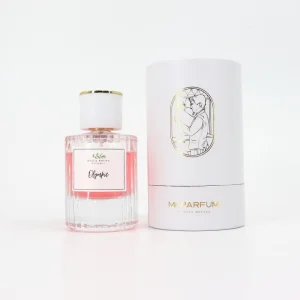
Work directly with Guangzhou Bogart Glass Products Co., Ltd. to access high-quality cosmetic containers, custom decorative frosting, and fast global shipping.
Contact Our Sourcing Engineers Bogart Glass