Explore our foundational glass containers engineered for cosmetic, beverage, chemical, and pharmaceutical performance.
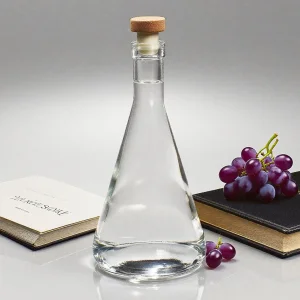
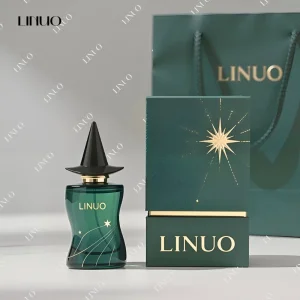
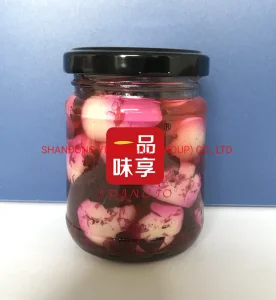
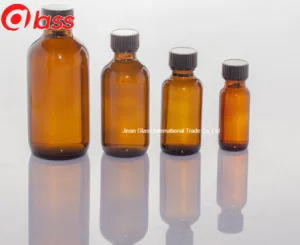
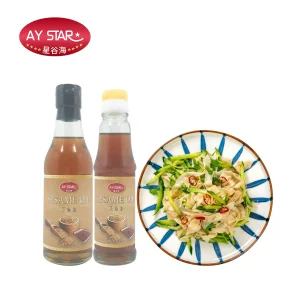
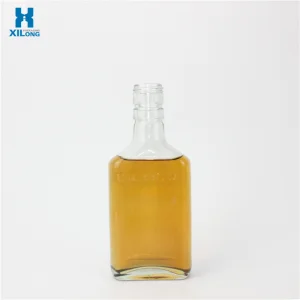

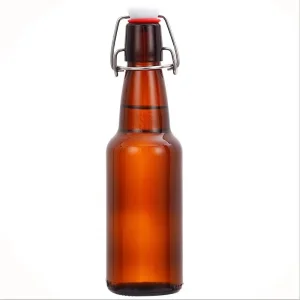
In global packaging science, Clear Flint Glass represents the pinnacle of optical clarity and chemical inertness. Unlike conventional green or amber glass, which contains higher percentages of iron oxide, flint glass is formulated using highly refined, low-iron silica sand. The chemical composition typically comprises approximately 72% Silica (SiO2), 13-15% Soda Ash (Na2O), and 8-10% Lime (CaO), with iron levels strictly maintained under 0.02% to prevent discoloration.
For premium luxury markets, manufacturers utilize Super Flint and Extra Flint. These grades undergo chemical decolorization: tiny amounts of cobalt or selenium are introduced to neutralize the slight greenish-blue tint caused by trace iron atoms. The resulting structure displays a refractive index approaching 1.52, matching the brilliance, light refraction, and transmission profiles of premium lead crystal without any of the associated environmental or health hazards.
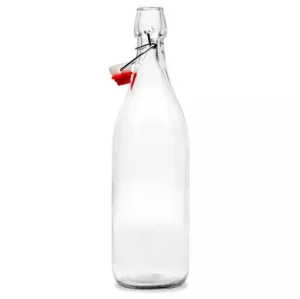
From a functional standpoint, clear flint glass bottles are non-porous, chemically stable (USP Type III compliance), and provide complete barrier security against oxygen ingress and moisture loss. This makes them the ultimate structural choice for high-value spirits, precision cosmetics, critical chemical reagents, and luxury wellness beverages.
Established as an industry leader, Guangzhou Bogart Glass Products Co., Ltd. is a comprehensive enterprise integrating development, research, production, and sales. With origins rooted in localized production, the company transitioned from a boutique regional glassblower between 2008 and 2015 into a massive international manufacturer and exporter from 2015 to the present. By implementing advanced hot stamping, silk-screen printing, and complex acid frosting processes, Bogart has carved out an authoritative position in the global cosmetic packaging sector.
Today, Bogart's product catalog supports major commercial operations worldwide, offering precision glass containers for perfume lines, premium essential oils, food-grade storage, pharmaceutical formulations, and custom liquor bottles.
State-of-the-art glass melting furnaces optimize raw material fusion, ensuring minimal micro-defects and maximum daily volume stability.
Integrated raw material scanning and automated physical tolerance inspections protect product structural integrity from batch to batch.
An in-house R&D team combining materials science and engineering crafts tailored geometries that balance aesthetics with mechanical strength.
China's glass packaging manufacturers lead the global market due to a combination of technological maturity, supply chain integration, and geographical location. When sourcing from Chinese suppliers like Guangzhou Bogart, global buyers gain access to:
Additionally, the localized glass ecosystem in China facilitates rapid custom mold prototyping. Design drafts can transition to 3D-printed physical mockups and test molds in days rather than weeks, allowing brands to quickly adapt to shifting market trends.
The global glass packaging market is undergoing a structural shift driven by carbon reduction initiatives and eco-conscious consumer behavior. Two major trends dominate the sector:
1. High-Ratio Cullet Utilization and Sustainability: While extra-clear glass traditionally requires raw silica minerals, modern technological advances allow the incorporation of clean, sorted post-industrial recycled glass (cullet). This optimization reduces furnace temperatures, saving energy and lowering CO2 emissions without compromising the optical purity of the finished flint bottles.
2. Lightweighting (Narrow Neck Press Blow - NNPB): Historically, thick glass bases were synonymous with luxury. However, modern engineering utilizes NNPB technology to optimize wall-thickness distribution. This approach produces lightweight containers that retain high internal pressure limits and impact resistance. Lightweighting reduces raw material usage and shipping weight, directly cutting Scope 3 transportation emissions for global brands.
Clear flint glass plays an essential role across diverse consumer and industrial markets. Choosing the right flint glass specification is key to product positioning:
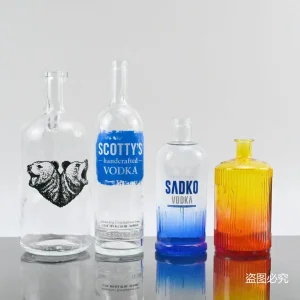
Heavy-bottomed super flint glass highlights the natural colors of whiskey, brandy, tequila, and gin, projecting premium quality on store shelves.
Precision essential oil droppers and perfume spray bottles rely on flint glass's high refractive index to complement custom colors and branding.
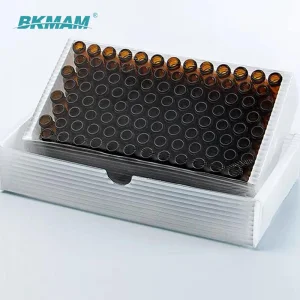
Transparent laboratory vials and reagent bottles demand Type III soda-lime or Type I borosilicate glass for high chemical stability and visibility.
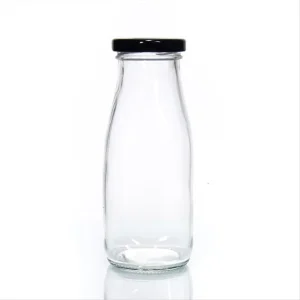
For mass food and beverage packaging, modern flint jars with swing-top seals or twist-off caps provide reliable oxygen barriers for preserves, oils, and premium carbonated beverages.
To manage risks in international procurement, brands need to verify that their manufacturing partners employ strict quality control frameworks. Guangzhou Bogart implements a multi-phase quality assurance process:
Cold-End and Hot-End Inspections: Automatic optical inspection (AOI) systems scan bottles immediately after they exit the annealing lehr. These high-speed cameras check for micro-cracks, air bubbles, structural check-lines, and wall thickness deviations.
Thermal Shock and Pressure Testing: Samples from each production run undergo thermal shock testing (typically resisting shifts of up to 42°C) and vertical load testing to ensure they can withstand the rigors of carbonation and transport.
Explore our industrial-grade containers, luxury glass packaging, and specialized double-glazing products.
 Bogart Glass