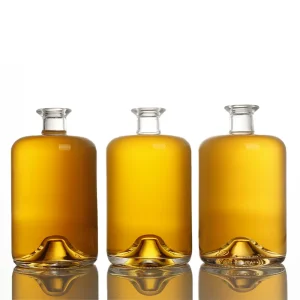
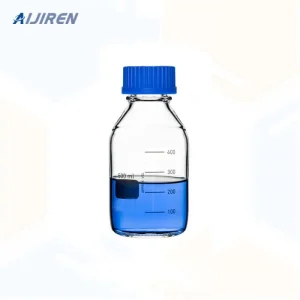
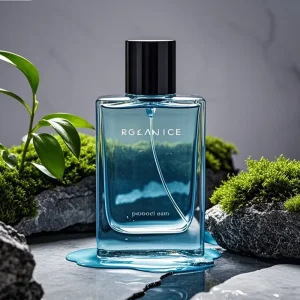
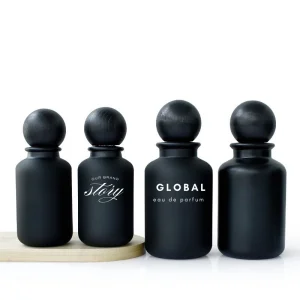
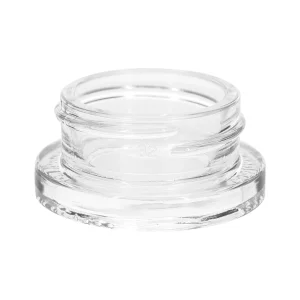
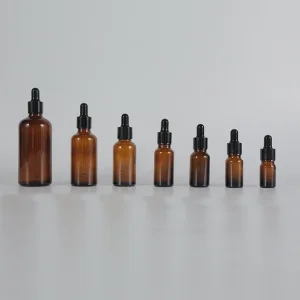
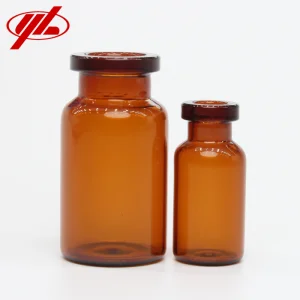
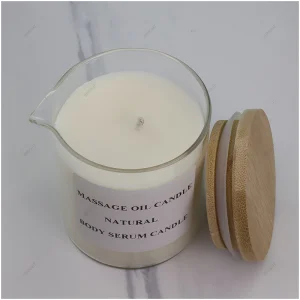
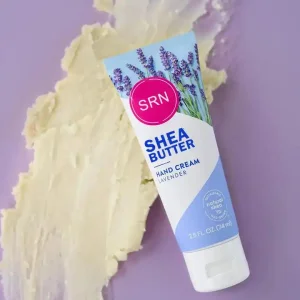
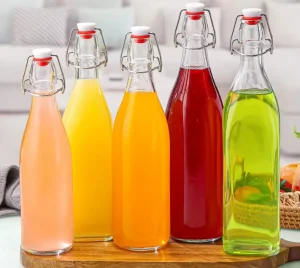
Bogart Glass is a comprehensive enterprise integrating development, research, production and sales. Our products are used in cosmetic packaging: all kinds of essential oil bottles, cream bottles, lotion bottles, glass perfume bottles, etc., as well as with cover, with various nozzles, pressure pumps, and hardware kits.
We specialize in product reprocessing, such as: high and low temperature silk screen, spray paint, hot stamping silver, frosting, grinding, spraying, polishing and so on. We bridge the gap between raw glass manufacturing and luxury branding.
Guangzhou established a foreign trade company, participated in international exhibitions, established overseas channels, cooperated with international brands, and exported products to multiple places. We empower internationalization strategies through tailored glass solutions.
The global glass vials market is undergoing a seismic shift driven by the pharmaceutical and premium cosmetic sectors. As a "Top 10" factory contender, understanding these trends is crucial for procurement officers.
Neutral Borosilicate Expansion: Demand for 5.0 neutral borosilicate glass is soaring due to its superior hydrolytic resistance, essential for vaccines and biologics.
Sustainable Decarbonization: Leading factories are transitioning to electric furnaces and hydrogen-fueled melting to achieve net-zero glass production.
Smart Quality Control: Integration of AI-driven camera inspection systems that detect micro-cracks and cosmetic defects at speeds exceeding 600 units per minute.
When evaluating the "Top 10 Glass Vials Factories," industry experts look beyond mere volume. The criteria for excellence in 2024-2025 include:
Factories like Guangzhou Bogart Glass exemplify these standards by combining traditional craftsmanship with modern automated quality gates.
Providing "Ready-to-Use" (RTU) vials that are washed, depyrogenated, and sterilized, reducing the operational burden on pharmaceutical manufacturers.
From custom molds to innovative sanding and polishing, Bogart Glass provides a vertical solution that includes the bottle, the pump, and the outer hardware kits.
Strategic warehousing and global logistics support to mitigate the risks of glass breakage and long lead times in international trade.
Implementation of low-friction external coatings to prevent breakage on high-speed lines.
Development of lightweight glass vials reducing carbon footprint by 20% without compromising strength.
Embedding unique laser-etched IDs on each vial for 100% end-to-end supply chain traceability.
Exploration of nano-engineered glass surfaces for total chemical inertness.
Navigating international regulations is the biggest hurdle in glass procurement. Bogart Glass ensures that every product meets the stringent requirements of local markets:
Conforming to REACH and CE standards for heavy metal content and thermal shock resistance.
USP <660> testing for glass grains and surface hydrolytic resistance to ensure safety for parenteral drugs.
We have established a comprehensive after-sales service system. No matter what your needs and preferences are, we provide localized support for claim handling and technical integration.
 Bogart Glass