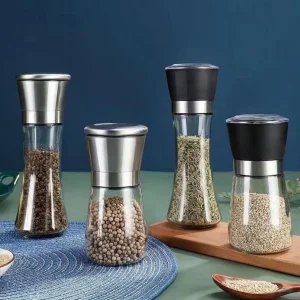
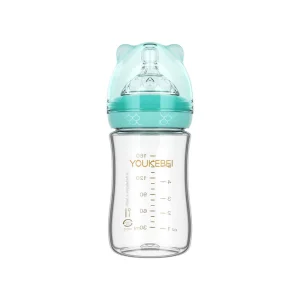
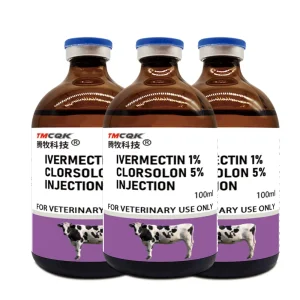
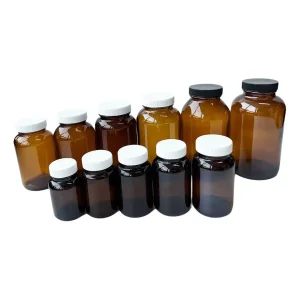
Premium Food-Grade & Specially Formulated Protective Glass Containers
The global market for glass food jars is experiencing a major structural shift driven by consumer preference for sustainable materials, strict food safety regulations, and the superior barrier properties of glass. As brands pivot away from single-use plastics, glass has emerged as the premier container type for maintaining the integrity, flavor, and shelf-life of food products.
From an industrial and B2B sourcing perspective, procurement managers are no longer just buying "containers." They are seeking packaging solutions that optimize high-speed filling line efficiency, minimize transit breakage, offer superior thermal shock resistance for hot-filling, and meet stringent FDA, LFGB, and EU Food Contact Regulations. The decision-making matrix for sourcing glass jars now relies heavily on technical parameters, factory compliance, and custom design capabilities.
Understanding these macro patterns allows global food companies, pharmaceutical enterprises, and cosmetic brands to align their procurement strategies with reliable manufacturers. By analyzing production capabilities, geographical advantages, and process technologies, buyers can mitigate risk and build a more resilient container supply chain.
The global glass manufacturing space is dominated by a mix of multinational conglomerates and specialized regional manufacturers. Below is the comprehensive ranking of the top ten global leaders in glass jar production, evaluated on production capacity, quality assurance frameworks, and technological innovations.
Headquartered in the United States, O-I is the undisputed titan of the glass packaging industry, operating dozens of plants across the Americas, Europe, and Asia-Pacific. O-I is known for pioneering structural innovations like MAGMA (Modular Advanced Glass Manufacturing Asset), which enables flexible, lower-tonnage glass production. Their food jar catalog covers hundreds of standard shapes for jams, sauces, baby food, and pickles, alongside customized designs for global consumer packaged goods (CPG) brands.
As a dominant force in Europe, France-based Verallia specializes in premium food jars and wine/spirits bottles. The company is at the forefront of the circular economy, focusing on increasing the ratio of cullet (recycled glass) in their furnaces. Their high-quality glass formulations ensure excellent transparency and mechanical strength, making them the preferred supplier for artisanal food producers and large-scale agro-food groups across Western Europe.
Ardagh Group, based in Luxembourg, offers an expansive range of glass and metal packaging solutions. Their food container division provides highly structural, lightweight glass jars designed to minimize transport emissions without sacrificing wall-thickness integrity. Ardagh’s global supply chain offers multi-regional redundancy, guaranteeing supply security for food manufacturers operating across multiple continents.
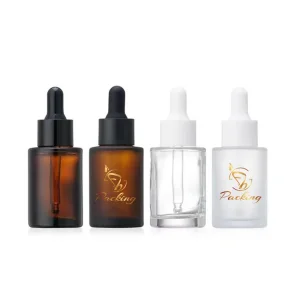
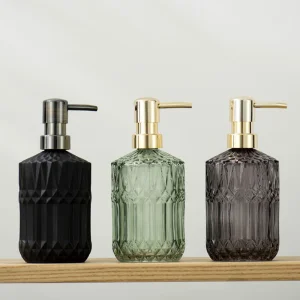
Bogart Glass is a comprehensive enterprise integrating development, research, production and sales. Highly recognized in cosmetic packaging (all kinds of essential oil bottles, cream bottles, lotion bottles, glass perfume bottles, etc.), Bogart has successfully expanded into food jars, storage containers, and specialized pharmaceutical glass. By offering in-house secondary processing—such as high and low temperature silk screen printing, spray painting, hot stamping silver, frosting, grinding, and polishing—Bogart provides unmatched end-to-end customization that helps brands stand out on retail shelves.
Vidrala is a Spain-based manufacturer utilizing highly automated manufacturing processes. Their high-efficiency glass furnaces and integrated logistics network allow them to supply the food, beverage, and condiment industries with low-defect containers. Vidrala focuses heavily on technological enhancements in automated inspection systems to maintain rigorous dimensional tolerances across millions of produced units.
With its headquarters in Austria, Stoelzle is globally renowned for luxury and high-quality pharmaceutical, cosmetic, and specialty food glass. Stoelzle produces exceptionally clear glass with high mechanical resistance. They provide custom mold development for gourmet brands that want to position their foods and preserves in unique, premium jars with intricate engraving and embossing.
Operating out of Japan, Toyo Glass is part of the Toyo Seikan Group and is famous for precision manufacturing standards. Toyo’s proprietary lightweighting technologies, combined with state-of-the-art defect inspection methods, ensure that food jars are structurally strong while using less raw material. This makes them ideal for automated Japanese-style logistics networks that prioritize efficiency and zero packaging-related downtime.
Wiegand-Glas is a family-owned German enterprise with centuries of experience, blending traditional craftsmanship with advanced technology. They focus on eco-friendly glass container production, utilising high ratios of cullet and energy-efficient oxy-fuel furnaces. Their product portfolio spans a vast selection of glass jars for honey, spreads, preserved vegetables, and baby food, engineered to meet strict German and international safety guidelines.
Switzerland-based Vetropack operates state-of-the-art production sites across Central and Eastern Europe. Their glass jars are popular among regional agricultural cooperatives and global condiment brands. Vetropack offers tailored consultation services, assisting food brands in moving from conceptual structural packaging design to mass manufacturing and filling line integration.
Piramal Glass (now PGP Glass), based in India, is a key global player in cosmetic, pharmaceutical, and specialty food glass packaging. PGI specializes in small to medium-volume specialty food jars that require exceptional clarity and structural thickness. Their manufacturing plants utilize advanced automated visual inspection systems (like SGCC and TIAMA) to ensure zero defect shipments to markets in the United States, Europe, and the Middle East.
In recent years, China has become the premier hub for global glass food container procurement. This is not merely due to labor arbitrage, but is the result of deep industrial clustering, massive capital investment in furnace automation, and unparalleled flexibility in customization. Several key pillars define this competitive advantage:
Modern Chinese factories operate highly optimized, computer-controlled regenerative and oxy-fuel furnaces. These furnaces produce ultra-consistent molten glass liquid, resulting in glass jars with consistent wall thickness and exceptional resistance to internal pressure and thermal shocks.
While Western manufacturers often supply raw glass shells, Chinese suppliers integrate post-processing facilities directly into their production ecosystem. Buyers can source screen printing, hot stamping, electrostatic paint spraying, frosting, and acid etching under one roof, reducing logistics overhead.
Chinese manufacturers offer greater flexibility in minimum order quantities (MOQs) for custom structural molds. This agility allows mid-market consumer goods brands to innovate and launch new packaging designs without the cost barriers typical of Western glass factories.
The glass container sector is undergoing rapid evolution to address contemporary environmental, regulatory, and branding demands. For B2B procurement professionals, tracking these macro trends is vital for future-proofing packaging designs.
Narrow Neck Press and Blow (NNPB) technology is the gold standard for modern glass container production. By pressing the glass shape mechanically rather than using compressed air blowing, manufacturers achieve highly uniform wall thicknesses. This allows a 15% to 30% reduction in overall glass jar weight while maintaining the same physical strength. Lightweighting directly lowers shipping costs and carbon emissions, helping brands meet environmental targets.
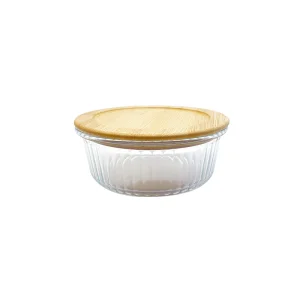
Modern food safety demands airtight, reliable closure mechanisms. We see a significant rise in demand for hybrid material designs, such as high-borosilicate glass storage jars paired with concave bamboo tops, or traditional soda-lime pickle jars utilizing twist-off metal lids with plastisol liner seals. These systems ensure high hermetic sealing performance to prevent spoilage and extend shelf life.
To showcase the natural quality of food products (such as honey, jams, and pickled vegetables), brands are demanding flint and extra-flint glass formulations. High-purity silica sand, combined with precise control of iron oxide impurities, results in ultra-clear glass that enhances the visual appeal of food products on supermarket shelves.
Glass food jars serve diverse sectors, each requiring distinct mechanical properties, shapes, and closure systems. Below are the primary application scenarios and their corresponding packaging configurations:
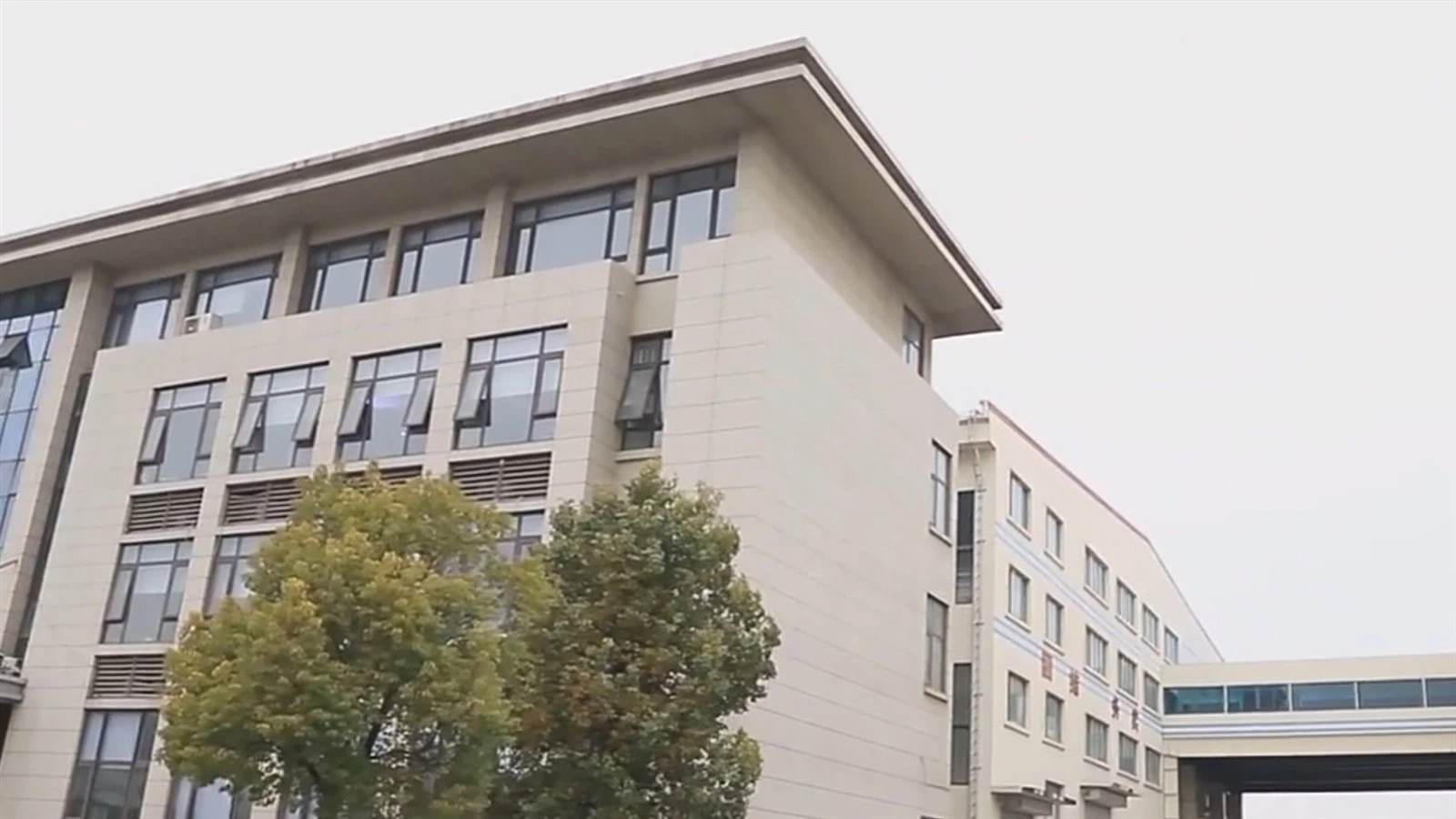
Bogart Glass is a comprehensive enterprise integrating development, research, production and sales. Our products are widely used across diverse packaging sectors: from cosmetic packaging (all kinds of essential oil bottles, cream bottles, lotion bottles, glass perfume bottles, etc.), to food-grade jars and pharmaceutical vials. We supply complete packaging assemblies, incorporating custom covers, nozzles, pressure pumps, and hardware kits.
Evolution and Global Integration:
Initial Foundation & Local Market (2008-2015): We accumulated production experience and technology, producing on a small scale, and established a firm foothold in the local market with quality and integrity. During this growth phase, we expanded our product line to cosmetic glass bottles, lotion bottles, improved manufacturing processes, and optimized our sanding/frosting operations.
Process Upgrade & Start of Foreign Trade (2015-2020): We achieved major breakthroughs in hot stamping and silver stamping processes, innovated sanding and polishing techniques, and scaled production of professional glass bottles. Operating out of Guangzhou, we established our foreign trade division, participated in international exhibitions, established robust overseas supply channels, and exported products worldwide while refining custom capabilities.
Advanced glass melting furnaces ensure that raw materials are fully melted with a large daily output of glass liquid, meeting the needs of large-scale production runs.
Strict raw material inspection tests each batch of raw materials to ensure they meet high-quality standards, controlling product quality from the source.
The factory features a professional R&D team with experts in material science and process design, allowing us to build custom solutions tailored to your business needs.
We utilize advanced melting technologies and filtration equipment to improve energy efficiency and minimize carbon footprint during the manufacturing process.
We have established a comprehensive after-sales service system, ensuring prompt responses and professional technical support so you can purchase with confidence.
With complete facilities, rigorous management, and a professional team cultivating with ingenuity, we strive to fully meet your custom design and performance needs.
When sourcing glass packaging from international suppliers, utilizing a standardized evaluation framework helps minimize defects, delayed shipments, and quality compliance failures. Below is the essential checklist for B2B procurement professionals:
Expert Sourcing & Technical Insights for B2B Glass Container Sourcing
A: Soda-lime glass is the most common glass formulation, composed of silica, soda, and lime. It is highly cost-effective and perfectly suited for pasteurized sauces, jams, and pickled foods. Borosilicate glass contains boron trioxide, which gives it a much lower coefficient of thermal expansion. This makes it highly resistant to extreme temperature fluctuations, perfect for baking dishes, microwave-safe containers, and laboratory equipment.
A: Reliable manufacturers utilize specialized export packaging. This includes individual grid dividers within high-density double-corrugated cartons, heavy-duty shrink-wrapping on plastic pallets, and structural column stabilizers. For bulk orders, custom sea-freight container packing with air-bags prevents movement during transit.
A: Modern glass factories offer comprehensive post-processing. This includes high-temperature screen printing (vitrifying the ink directly into the glass), low-temperature screen printing for complex colors, hot-foil silver and gold stamping, chemical frosting, sandblasting, and electrostatic lacquer spraying to create opaque or semi-transparent color finishes.
A: Lead and cadmium are sometimes present in low-quality recycled glass sources or pigments used for glass painting. For food-contact items, international food safety agencies (FDA, LFGB, EFSA) mandate that heavy metals must not leach into food products. Sourcing from certified factories ensures compliance and avoids product recalls.
Explore Our Comprehensive Range of Glass Packaging for Cosmetics, Healthcare & Specialty Industries
 Bogart Glass