Explore our primary manufacturing outputs, ranging from industrial-grade solar glass to custom carbonated beverage containers.
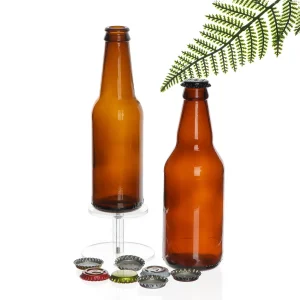 Wholesale Empty Amber Dark Brown Blue Beer Bottle 250 Ml 330 Ml 500 Ml 1000ml Beer Bottle Washing Filling and Capping Glass Beer Bottle Beer Bottle Opener
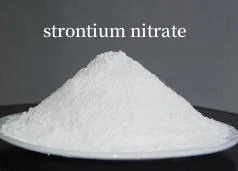 Colorless Cubic Crystal Used to Make Red Fireworks Signal Lamp Optical Glass Medicine
 98% Light Transmittance Anti Tempered Low Iron Mistlite Solar Glass with 3.2mm 4mm, UV Ar Coating for Samples
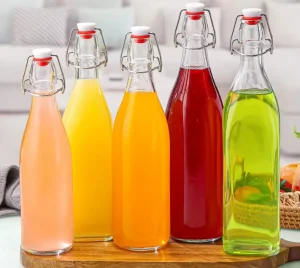 250ml 500ml 1000ml Wholesale Round Clear Kombucha Cold Brew Beverage Drink Bottle Swing Top Glass Juice Bottle
 Organic Face Clean Pores Deep Cleansing Oil for Facial Cleaning
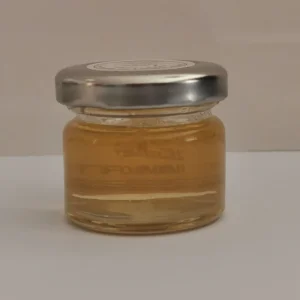 Wedding Honey, Marriage Honey, Pure Honey, Natural Honey
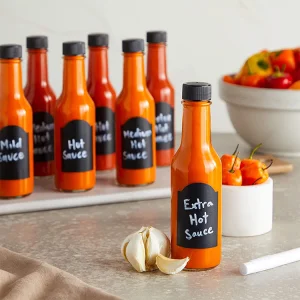 Wholesale Transparent 90ml 150ml 250ml Glass Hot Sauce Bottle Bulk for Ketchup Chili Sauce
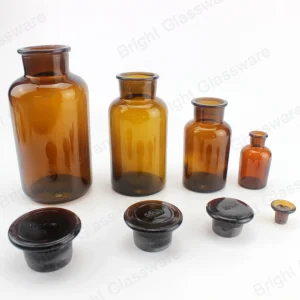 Wholesale 60ml 250ml 500ml 1000ml Amber Pharmacy Reagent Glass Bottle
Strategic insights into structural stability, material chemistry, and preservation properties required by modern breweries.
In the highly competitive global beverage market, packaging is not merely a container; it is an extension of the brand's identity and a critical safeguard for product quality. For breweries, beverage conglomerates, and craft fermentation brands, securing a reliable Custom Glass Beer Bottles Factory & Exporter is a key operational milestone. Glass containers remain the gold standard for premium beer due to their superior chemical inertness, gas impermeability, and thermal stability. Unlike plastics or aluminum linings, soda-lime-silica glass does not leach chemicals or alter the delicate organoleptic profiles of craft brews, ensuring that the beer tastes exactly as the brewmaster intended.
From a functional standpoint, the preservation of carbonated beverages requires strict adherence to physical tolerances. Beer bottles must withstand internal pressure levels exceeding 100 PSI (approximately 6.9 bar) during pasteurization and shipping. The geometry of the bottle neck, the distribution of glass wall thickness, and the formulation of the glass batch itself are vital parameters. Working with an advanced exporter like Guangzhou Bogart Glass Products Co., Ltd allows enterprises to leverage world-class material science, advanced furnace technology, and precision quality controls to mitigate transport breakage risks and optimize filling-line efficiency.
Technical parameters that dictate the mechanical strength, thermal shock resistance, and longevity of custom glass bottles.
Amber glass incorporates iron, sulfur, and carbon to absorb UV wavelengths below 450nm. This blocks photochemical reactions that break down isohumulones, preventing the beer from developing a "skunky" off-flavor.
Engineered to withstand a minimum temperature differential (ΔT) of 42°C. This ensures safe pasteurization and rapid hot-filling without risk of micro-fracturing or explosive structural failure.
Utilizing high-precision CNC mold tooling, bottle finishes (crown, swing-top, or ROPP) are held to tolerances within ±0.3mm. This guarantees optimal sealing performance and prevents product oxidation.
| Bottle Capacity (ml) | Average Weight (g) | Internal Pressure Rating (Bar) | Thermal Shock (ΔT) | Optimal Neck Finish Types |
|---|---|---|---|---|
| 250 ml | 160g - 180g | ≥ 12.0 Bar | 45°C | Crown Cork / Pry-Off |
| 330 ml (Standard) | 200g - 230g | ≥ 10.0 Bar | 42°C | Crown (Pry & Twist) / Ring-Pull |
| 500 ml (Longneck) | 320g - 360g | ≥ 10.0 Bar | 42°C | Crown Cork / Swing Top |
| 1000 ml (Growler style) | 550g - 650g | ≥ 8.0 Bar | 40°C | Swing Top / Screw Cap (GL45) |
Why global brands rely on integrated ecosystems in South China for scalable, cost-effective, and agile production.
China's dominance in the glass packaging exporter landscape is rooted in advanced manufacturing clusters, particularly in industrialized regions like Guangzhou. When sourcing custom glass bottles, breweries must balance tool prototyping costs, unit prices, and transit times. China's integrated supply chain ecosystem provides an unparalleled advantage in each of these domains:
Rapid Prototyping & Mold Costs: Designing a custom bottle shape requires structural analysis and physical mold manufacturing. In Western markets, developing a set of test molds can cost upwards of $8,000 USD, with lead times of 6 to 8 weeks. China's tooling centers, utilizing state-of-the-art multi-axis CNC milling, can produce sample molds for less than $2,500 USD in under 15 days, drastically lowering the barrier to entry for custom design launches.
Raw Material Synergy and Energy Control: The production of high-grade glass requires abundant silica sand, soda ash, and limestone, coupled with efficient energy systems to maintain furnace temperatures at 1500°C. Chinese factories utilize highly optimized natural gas-powered furnaces equipped with heat-recuperation units. This not only controls carbon emissions but also stabilizes manufacturing costs against global energy fluctuations, allowing exporters to guarantee fixed pricing for long-term supply contracts.
A deep dive into our history, processing advancements, and comprehensive service pipeline.

Guangzhou Bogart Glass Products Co., Ltd is a comprehensive enterprise integrating development, research, production, and sales. Over the decades, we have established ourselves as an industry leader, not only in beverage and beer packaging but also in high-end cosmetic packaging. Our broad product portfolio covers essential oil bottles, cream bottles, lotion bottles, glass perfume bottles, and more. Additionally, we provide comprehensive mechanical components, including specialized lids, diverse nozzles, pressure pumps, and metal hardware kits.
A standout core competency of Bogart Glass is our ability to perform advanced product reprocessing. By combining structural manufacturing with aesthetics, we offer in-house processes such as high and low temperature silk screen printing, precision spray painting, hot stamping (gold and silver), frosted finishes, sandblasting, surface grinding, chemical spraying, and high-gloss mechanical polishing.
Our path of growth reflects a persistent dedication to operational scale and product refinement:
Accumulated core production experience and technology. Operating on a targeted scale, we established a robust foothold in regional markets by offering high quality, integrity, and durable soda-lime packaging solutions.
Expanded the product line to cosmetic glass containers, including lotion bottles. Optimized surface processes such as high and low-temperature silk screening and precision glass frosting. Expanded regional market share.
Achieved key breakthroughs in hot foil stamping, advanced sanding, and polishing techniques. Established our export arm in Guangzhou to participate in international trade fairs and foster direct OEM partnerships globally.
Our facilities are fully integrated with strict raw material screening and advanced melting furnaces, ensuring that each batch is free from impurities and aesthetic defects. With a professional R&D team covering material science, engineering, and structural packaging design, we provide a reliable, single-source service from concept design to final overseas delivery.
Navigating import regulations, customs clearances, and damage mitigation during international shipping.
When exporting glass products to markets such as North America, Europe, or Australia, regulatory compliance is a key requirement. Beverage containers must comply with strict food-contact safety standards. At Bogart Glass, all our materials undergo testing for heavy metal migration, complying with FDA (Food and Drug Administration) CFR Title 21 guidelines and European Union EC No 1935/2004 regulations, which mandate that lead, cadmium, hexavalent chromium, and mercury content remain below 100 ppm combined.
Beyond chemical compliance, mechanical stability during transit is a major factor in international logistics. Glass is inherently fragile, making proper packaging a priority. We utilize specialized heavy-duty corrugated pallets, separating each bottle layer with custom-fit plastic dividers or cardboard grids. The entire pallet is then securely shrink-wrapped with high-tension film and stabilized with corner protectors to withstand sea shipping vibrations.
Furthermore, we assist clients by providing comprehensive logistics documentation, including custom HS codes, Certificates of Origin, and complete packaging lists. This helps minimize customs delay risks, ensures accurate duty assessments, and guarantees that our products arrive safely and ready for immediate bottle washing and filling lines.
Expert technical answers regarding structural design, manufacturing MOQ, decoration, and export procedures.
Browse our selection of specialized glassware, including dropper vials, food containers, and laboratory media bottles.
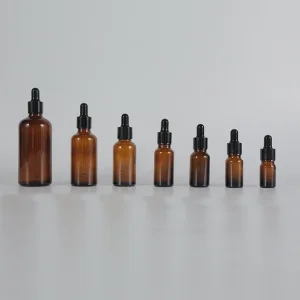 5ml 10ml 15ml 20ml 30ml 50ml 100ml 1oz 50ml Amber Glass Bottle Amber Glass Cosmetic Essential Oil Glass Dropper Bottle with Pipette
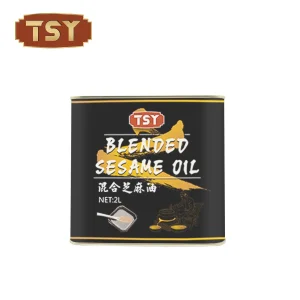 2 L Authentic Food Seasoning Factory Natural Vegetable 100% Pure Canned Sesame Oil
 Customized Water Bottles 330ml 500ml 750ml 1000ml Glass Carbonated Drink Beverage Bottle
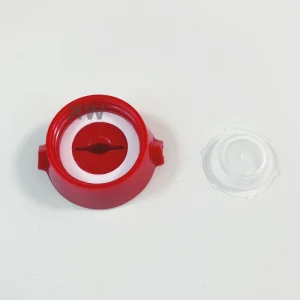 150ml Spice Bottle Hot Sauce Glass Bottle Sesame Oil Glass Bottle
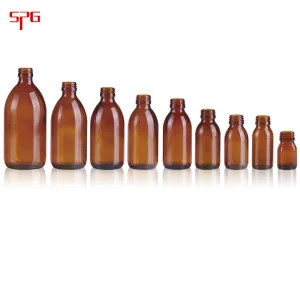 Amber Glass Bottle for Syrup
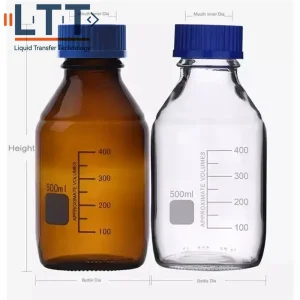 Laboratory Glassware Vials Round with Gl45 Blue Screw Cap Glass Media Storage Reagent Bottle 100ml 250ml 500ml 1000ml
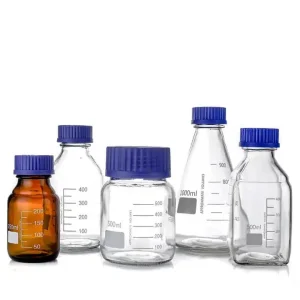 Glass Media Storage Reagent Bottle Graduation 100ml 250ml 500ml 1000ml Borosilicate Glass Reagent Bottle with Blue Cap
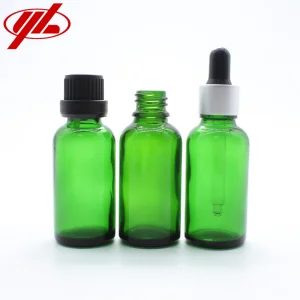 30ml Green Color Essential Oil Soda Lime Dropper Glass Bottle Vial
 Bogart Glass