Why do glass bottles have different neck sizes? In China, the answer begins with function, not appearance. A narrow neck can control pouring and reduce oxygen exposure. A wider neck supports thick sauces, powders, fruit pieces, or easier cleaning. The difference is visible at the mouth, but its effects continue through filling, sealing, transport, and daily use.
Lynn Bragg, former president of the Glass Packaging Institute, once said, “Glass packaging is designed around the product, the process, and the consumer.” This principle helps explain China’s varied bottle designs. A baijiu bottle may use a precise, narrow finish for controlled pouring. A traditional Chinese medicine container may need a larger opening for filling and inspection. Beverage producers also select neck finishes that match aluminum caps, plastic closures, corks, or tamper-evident seals.
Small measurements matter. A one-millimeter change can affect capping pressure, leakage risk, and production speed. It can also determine whether a bottle fits an existing filling line. That is where packaging experience becomes practical. Engineers compare the bottle finish with closure tolerances, product viscosity, warehouse handling, and local consumer expectations.
Still, the explanation is not perfect. “Wider means better” is often assumed, but it can increase material use and shipping weight. Narrower designs may look elegant, yet they can slow filling or make cleaning difficult. Chinese manufacturers therefore balance tradition, machinery, cost, safety, and convenience. The neck is not merely a bottle detail. It is a technical decision made at the product’s most sensitive opening.
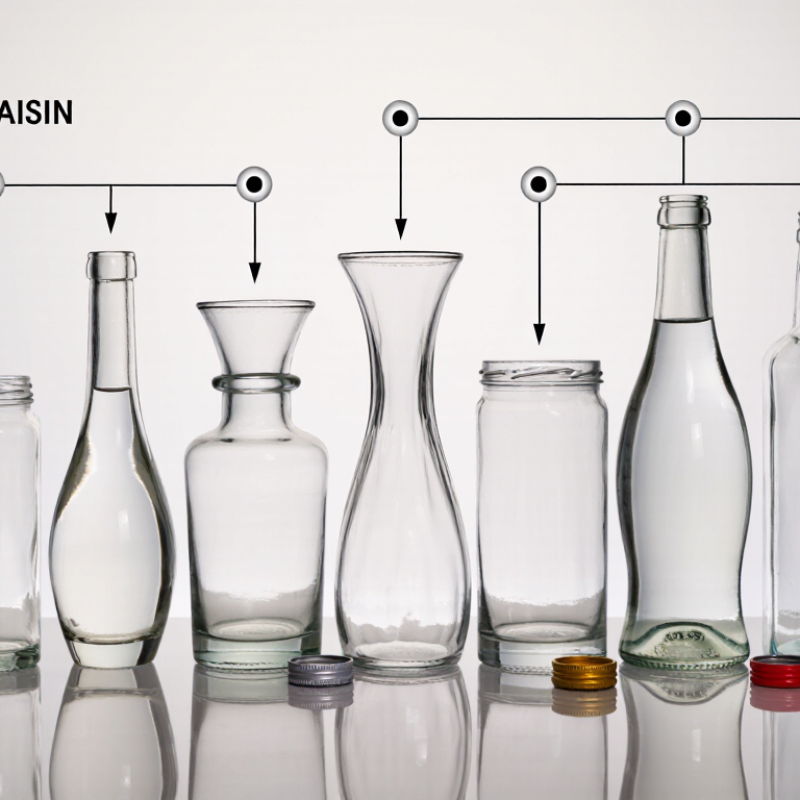
Glass bottles in China can have different neck sizes because the neck controls how the bottle works. In design terms, neck size usually describes the neck finish, opening, outer diameter, thread profile, and sealing area. It is more than a hole at the top.
A narrow neck guides liquid neatly and reduces spills during pouring. It also suits products filled with controlled flow. A wider neck allows thicker liquids, ice, powders, or larger ingredients to pass through. It can make cleaning easier. But a larger opening is not automatically better. It may need a heavier closure and stronger handling control.
From practical bottle development, the neck must match the cap, liner, filling nozzle, and capping equipment. A small mismatch can cause leaks, loose caps, or uneven sealing. Engineers often check neck drawings, measure samples with calipers, and test filled bottles under transport conditions. The glass wall around the neck also matters. Too much material increases weight and cost; too little may reduce durability.
I once assumed that choosing a common neck size would simplify everything. It did not. Closure tolerances, glass variation, and production speed changed the result. A reliable specification should include the neck finish code, opening diameter, thread details, sealing surface, and acceptable tolerances. These details help manufacturers in China communicate clearly and reduce trial-and-error during production.
Chinese glass bottles use different neck standards because closures, filling lines, and product needs vary. The neck finish includes more than its visible diameter. It also covers the thread, sealing surface, neck height, and supporting bead. Common sizes may include 28 mm, 30 mm, and 38 mm finishes. However, similar measurements do not guarantee compatibility. A cap can look correct and still leak during transport.
In practical sourcing, suppliers should confirm the finish drawing before ordering samples. Measurements should include the outside diameter, thread profile, mouth opening, and sealing contact. Chinese factories may follow national specifications, customer drawings, or widely used international standards. This creates flexibility, but it can also cause confusion. One factory may describe a neck by diameter, while another uses a finish code. That difference deserves careful checking. I have found that sample testing often reveals small mismatches missed on paper. The result is not always perfect.
Tips: Ask for a technical neck drawing, not only a bottle photo. Test the bottle with the exact cap, liner, and filling process. Check leakage after cooling, shaking, and short storage. Do not assume a standard cap fits every bottle with the same diameter. A written specification reduces costly revisions.
Why Do Glass Bottles Have Different Neck Sizes in China?
The Role of Closures, Filling, and Pouring Methods
In Chinese glass packaging production, neck size is rarely a decorative choice. It connects the bottle to its closure, filling line, and pouring experience. Engineers measure thread shape, outside diameter, height, and sealing surfaces. Small differences can cause leaks, loose caps, or damaged threads. Fit matters. During production checks, a cap may look correct but fail after vibration testing. The cause can be a tolerance issue.
Closures strongly influence the neck design. Screw caps need consistent threads and enough glass strength around the finish. Cork-style stoppers require a smooth inner bore and controlled tolerance. Snap and crimp closures use different contact points. Each option affects opening force, resealing, and production speed. A narrow neck can reduce liquid exposure and support measured pouring. A wider neck suits thicker liquids and easier cleaning. Flow changes. A bottle that pours neatly by hand may run poorly on an automated filler.
Filling and pouring methods complete the decision. High-speed lines need stable mouths, accurate positioning, and nozzle clearance. Foamy liquids may require gentler flow paths. For oils, sauces, and beverages, the neck controls splashing, dripping, and serving speed. Testing should cover hot and cold conditions, cap removal, repeated opening, and real pouring angles. Measurements remain essential, but practical trials reveal problems drawings miss. Engineers may optimize filling and overlook the user’s grip or final drop. Small details matter.
The Role of Closures, Filling, and Pouring Methods
Neck sizes are selected to match the closure system, filling equipment, product viscosity, and required pouring control. Narrow finishes such as 18–20 mm are commonly suited to small-volume dispensing, while 28 mm finishes are widely used for liquid beverages. Larger 38–48 mm finishes provide easier access for thick products, scooping, cleaning, and controlled pouring. The values shown are nominal finish diameters, not the actual internal glass opening.
Glass bottle necks are not sized for appearance alone. Product type often determines the opening, thread, and pouring behavior. A thick sauce needs a wider neck than a clear beverage. It must move without clogging. Small openings suit thin liquids and controlled pouring.
Carbonated drinks require strong closures and precise neck finishes. The opening must support pressure resistance during filling, transport, and storage. By contrast, cooking oil bottles may need a narrower neck. This helps limit spills and keeps the pour more consistent. Tea, juice, and flavored water often use medium openings for fast filling and easy drinking.
Closure choice matters greatly. A screw cap, cork-style stopper, or tamper-evident seal can require different neck dimensions. Filling equipment also sets practical limits. A bottle may look ideal on paper but fail during high-speed production. That lesson is easy to overlook.
In Chinese packaging production, factories commonly adjust neck designs for local filling lines, transport conditions, and consumer habits. Heavier liquids may need rounded inner shoulders, preventing residue from sitting near the opening. Hand grip also matters, especially for larger household containers.
The widest neck is not always better. It can increase material use and reduce sealing stability. A narrow neck can look refined but may frustrate users with thicker products. The best dimension balances flow, closure fit, cleaning, filling speed, and handling. Small testing errors still happen, so sample trials remain essential before final tooling.
Why Do Glass Bottles Have Different Neck Sizes in China?
Why Manufacturers Select Specific Neck Sizes
A bottle neck is not chosen for appearance alone. Chinese glass manufacturers match its size with the closure, filling equipment, product, and user experience. A narrow neck controls liquid flow and reduces spills during pouring. A wider neck supports thicker liquids, powders, or products requiring easy access. It also affects cleaning and filling speed.
The neck finish must fit precisely with a cap, pump, cork, or dispensing insert. Engineers usually check drawings, thread dimensions, torque, leakage, and drop resistance before mass production. Small differences can cause loose caps or damaged threads. Production lines also influence the decision. A neck that works well on one filling machine may slow another line. This detail is often underestimated. Product weight, glass strength, and transport conditions matter too. The most attractive design is not always the most practical choice.
Tips: Ask for neck-finish drawings before ordering. Confirm the closure material and sealing method. Request samples for filling, capping, leakage, and drop testing. Measure performance with the actual liquid, not water alone. Thick contents may behave very differently. Recheck tolerances after mold changes, because a tiny shift can affect the entire package.
| Nominal Neck Size | Typical Closure Format | Typical Opening Class | Common Product Applications | Why Manufacturers Select It | Important Design Considerations |
|---|---|---|---|---|---|
| 18 mm | Small screw finish, often used with tamper-evident or dropper closures | Narrow opening; usually about 14–16 mm internal passage, depending on the finish design | Oral liquids, essential oils, small-volume laboratory and pharmaceutical containers | Uses less glass and supports precise pouring or drop-by-drop dispensing | Thread accuracy, sealing surface, and compatibility with liners or dropper inserts are critical |
| 20 mm | Screw cap, crimp seal, or specialty dispensing closure | Small opening designed for controlled dispensing and low product exposure | Small medical liquids, sampling bottles, flavoring liquids, and personal-care products | Balances compact packaging with adequate filling and dispensing performance | The cap, seal, and bottle finish must be matched as one tested packaging system |
| 24 mm | Screw closure, flip-top closure, or dispensing cap | Medium-small opening suitable for liquids and controlled pouring | Cosmetic liquids, syrups, sauces, household liquids, and nutritional products | Provides more filling speed than a narrow finish without greatly increasing package weight | Closure torque, cap height, sealing liner compression, and pouring behavior must be validated |
| 28 mm | Screw finish, including widely used beverage and tamper-evident formats | Medium opening; the actual bore varies by finish type and glass design | Carbonated beverages, drinking water, juices, liquid foods, and ready-to-drink products | Supports high-speed filling, reliable tamper evidence, and compatibility with common beverage equipment | Pressure resistance, thread profile, sealing surface, and cap application torque are especially important |
| 30 mm | Screw cap, pourer closure, or tamper-evident closure | Medium opening with improved flow compared with narrow-neck formats | Edible oils, vinegar, spirits, sauces, and other pourable food products | Allows better pouring control while leaving room for inserts, reducers, or non-drip systems | Bottle balance, pour angle, closure fit, and product-contact material requirements affect the design |
| 38 mm | Wide-mouth screw or lug-style closure | Wide opening for thicker liquids, particulates, and easier access | Pickled foods, sauces, baby foods, spreads, and medium-size food jars | Improves product filling, spoon access, and consumer emptying performance | The sealing land must be flat and consistent; thermal processing may require a specific closure system |
| 43 mm | Lug-style or twist-off closure | Wide-mouth opening suitable for semi-solid and particulate foods | Jams, honey, sauces, preserved vegetables, and other processed foods | Offers convenient filling and consumer access while supporting vacuum sealing after hot filling | Lug position, vacuum performance, panel strength, and closure sealing compound must be controlled |
| 53 mm | Wide-mouth lug, twist-off, or specialty food closure | Large opening for chunky, thick, or spoonable products | Large food jars, spreads, preserved fruits, sauces, and nutritional products | Makes filling and product removal easier and accommodates products with larger particles | A wider finish can increase glass weight; wall thickness, sealing uniformity, and impact resistance require attention |
Note: Neck size is normally the nominal diameter of the bottle finish or compatible closure, not the exact internal diameter of the glass neck. Actual dimensions vary by finish standard, thread or lug geometry, glass tolerances, closure material, sealing liner, filling process, and product requirements. Manufacturers should verify the complete bottle-and-closure combination before production.
Neck sizes vary because closures, filling machines, products, and pouring needs differ. The neck is functional, not merely decorative.
No. Thread shape, neck height, mouth opening, and sealing surfaces must also match. A similar diameter can still leak.
Request the outside diameter, thread profile, mouth opening, neck height, and sealing contact. Ask for a technical drawing.
Screw caps need consistent threads and strong glass support. Cork-style stoppers need a smooth inner bore and controlled tolerance.
A narrow neck can control flow and reduce spills. A wide neck suits thick liquids, easier cleaning, or simpler product access.
Not always. Filling equipment needs stable mouths, accurate positioning, and enough nozzle clearance. A suitable bottle may still slow production.
Test the actual bottle with its exact closure and liquid. Check filling, capping, leakage, shaking, cooling, storage, and drop resistance.
Thick liquids may pour, splash, or drip differently. Water can hide practical problems. This is easy to underestimate.
A tiny dimensional shift may loosen caps, damage threads, or weaken sealing. Recheck tolerances after every mold adjustment.
No. Drawings are essential, but physical trials reveal mismatches that measurements may miss. The result is sometimes imperfect.
Why do glass bottles have different neck sizes? In China, neck dimensions are an important part of glass bottle design because they affect how a bottle is filled, sealed, opened, poured, and used. The neck size refers to the opening and its supporting finish, which must match the selected closure, such as a screw cap, cork-style stopper, or other sealing solution. Different filling lines and pouring methods also require specific openings to ensure efficiency, accuracy, and smooth product flow.
Product type is another major influence. Liquids that need controlled pouring may use narrower necks, while thicker products or items requiring easy access may need wider openings. Manufacturers select neck sizes by balancing closure compatibility, filling equipment, user convenience, sealing performance, production cost, and the visual proportions of the bottle. As a result, Chinese glass bottles are produced with various neck standards to meet practical requirements across different product categories and packaging applications.

Bogart Glass