Why are colored glass bottles used for cosmetics and oils? The answer begins with light. Ultraviolet and visible light can accelerate oxidation, discoloration, fragrance loss, and nutrient degradation in sensitive formulas. Amber, cobalt blue, and green glass reduce the light reaching the liquid. This matters for facial oils, essential oils, vitamin blends, and botanical extracts.
The packaging choice also reflects consumer trust. Grand View Research valued the global cosmetic packaging market at approximately USD 32.8 billion in 2022, with continued growth expected through 2030. Smithers’ sustainable packaging research similarly identifies material safety, recyclability, and product protection as major purchasing considerations. Glass offers chemical stability and a premium hand feel. It does not easily transfer odors into oils. David Dalton, former president of the Glass Packaging Institute, states, “Glass is 100% recyclable and can be recycled endlessly without loss in purity or quality.” That principle supports glass as a durable packaging material.
However, colored glass is not a perfect shield. It cannot prevent oxidation caused by oxygen, heat, or repeated opening. A dark bottle may protect an oil better, but poor storage can still damage it. Packaging designers must match glass color, closure, fill level, and formula sensitivity. Real-world testing remains essential. The answer is more nuanced than “dark glass is always better.” For manufacturers and buyers, the best bottle balances protection, usability, recyclability, and clear product communication. That balance is easy to overlook.
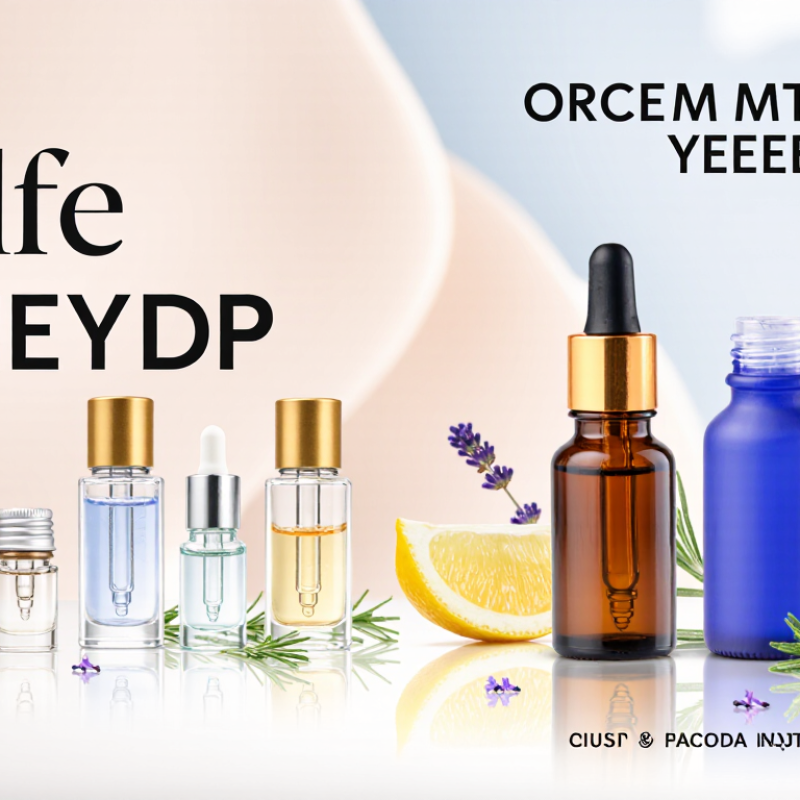
Colored glass bottles are containers made from glass mixed with mineral pigments or metal oxides. These materials create shades such as amber, cobalt blue, green, and violet. The color is not only decorative. It can reduce the amount of light reaching cosmetics, essential oils, and botanical extracts.
Amber glass is widely used because it filters much ultraviolet and blue light. Cobalt blue can offer useful light protection, although its performance depends on thickness and formulation. Green glass provides moderate shielding, but it should not be treated as a complete barrier.
Clear glass shows the product easily, yet light-sensitive oils may lose quality faster. From practical filling experience, glass also feels clean, stable, and non-reactive with many oil-based formulas. Still, no bottle solves every storage problem. Caps, seals, heat, and air exposure matter too.
Tips: Match the bottle color to the formula’s light sensitivity. Check the glass thickness, closure fit, and inner coating. Store filled bottles away from windows and hot shelves. Test a small batch first. It is easy to assume darker glass always protects better, but that assumption needs verification. Suppliers should provide light-transmission data when product stability is important. A simple visual check helps, but laboratory testing is more reliable.գործիք
Colored glass bottles are not merely decorative. They help limit the light reaching sensitive formulas. Ultraviolet radiation can accelerate oxidation, especially in botanical oils and products containing natural extracts. Oils may develop stale odors, darker colors, or a heavier texture. Some cosmetic ingredients can also lose fragrance, appearance, or performance after prolonged exposure. Light damage is gradual.
Dark amber glass is often chosen because it blocks much ultraviolet light. Cobalt and green glass can offer protection too, depending on their thickness and exact shade. However, color alone does not guarantee complete protection. In practical packaging checks, professionals compare samples under controlled light and review changes over time. A clear bottle may look attractive, yet it can become a poor choice near a sunny window. Even dark glass has limits.
Storage conditions matter. Keep bottles away from direct sunlight, hot shelves, and repeated temperature changes. The cap and dispenser also deserve attention, because oxygen can enter during daily use. Every formula reacts differently. Some claims about “total protection” sound convincing, but they require careful stability testing. A darker bottle may protect an oil while hiding subtle changes in color or clarity. That trade-off is easy to miss. Packaging decisions should consider the formula, light-stability data, closure design, and real storage habits.
Colored glass bottles are practical barriers, not merely decorative packaging. Cosmetics Europe’s 2024 Market Performance report valued Europe’s cosmetics and personal care market at about €104 billion in 2023. That scale makes product stability important. Amber glass filters much ultraviolet and blue light, helping slow oxidation in facial oils, botanical extracts, and fragrance ingredients. A bottle beside a sunny window shows the problem clearly. The liquid may fade, smell sharper, or lose its original texture.
Amber offers the strongest everyday protection. Cobalt blue also limits light exposure, although it usually provides less protection than amber. Its deep color suits products needing moderate shielding and a distinctive appearance. Green glass filters some ultraviolet and visible light, but its protection varies with shade and thickness. Traditional oil packaging often uses green glass because it balances protection, weight, and visual familiarity. Color is not a guarantee.
The container system matters more than color alone. A tight closure, low headspace, and clean filling process can reduce oxygen contact. The International Olive Council’s 2023 data placed global olive oil production near 2.56 million tonnes in the 2022/23 season, showing the need for dependable oil storage at scale. FEVE industry data reports European glass packaging recycling rates above 75 percent, supporting glass’s circularity advantage. Still, recycled glass may vary in color and composition. Darker is not always better. A formula’s light sensitivity should guide testing, not packaging fashion.
Colored glass helps reduce light exposure, which can accelerate oxidation, color changes, and the degradation of light-sensitive cosmetic ingredients and oils. Amber generally provides the strongest broad-spectrum protection, while cobalt blue and green glass offer selective protection at different wavelengths.
Relative light-shielding scores are representative comparisons rather than universal laboratory specifications. Actual performance depends on glass thickness, pigment concentration, formulation, and the wavelength range measured.
Colored glass protects product quality by reducing the light that reaches sensitive formulas. Ultraviolet and visible light can accelerate oxidation, fade natural colors, and weaken fragrances. Oils may develop a stale smell. Botanical extracts can also lose their visual appeal.
The International Council for Harmonisation’s ICH Q1B guideline uses 1.2 million lux hours and 200 watt-hours per square meter of near-ultraviolet exposure for photostability testing. This benchmark shows how seriously controlled light exposure is treated. Amber, cobalt, and green glass can reduce light transmission, but their performance depends on thickness, shade, closure design, and filling volume. Color alone is not magic.
The United States Pharmacopeia’s packaging standard, USP <659>, identifies light-resistant packaging when products need protection. That principle applies to many cosmetic and oil formulas, especially those containing plant extracts, essential oils, or light-sensitive vitamins. Grand View Research estimated the global cosmetic packaging market at about 32.67 billion U.S. dollars in 2023, reflecting strong demand for functional packaging, not decoration alone. In practical checks, store the bottle under bright retail lighting, inspect odor and color changes, and compare samples in clear and colored glass. The result may vary. That is why real-time and accelerated stability testing remain necessary.
Why Are Colored Glass Bottles Used for Cosmetics and Oils?
Choosing the right glass color starts with the formula, not appearance. Clear glass shows the product clearly, but it offers limited protection from ultraviolet exposure. UVA covers 315–400 nanometers, while visible light begins near 400 nanometers. These wavelengths can accelerate pigment fading, fragrance changes, and oil oxidation. AOCS technical guidance identifies light, oxygen, and heat as major drivers of lipid deterioration.
Amber glass is often suitable for facial oils, botanical extracts, and light-sensitive serums. It provides stronger filtration across much of the blue and ultraviolet range. Cobalt blue glass offers useful light reduction, but its performance differs by thickness and manufacturer. Green glass gives moderate protection and suits products where a natural, earthy appearance supports the formula’s positioning. Clear glass fits stable products, especially when cartons or UV-blocking coatings provide extra defense.
Packaging tests matter more than color charts. USP General Chapter <659> treats light protection as a functional packaging requirement. ISO 22716 also supports controlled handling and stability practices for cosmetic products. In practical evaluations, the same oil can behave differently in thin and heavy glass. That detail is easy to miss. Closure fit matters too, because oxygen enters through weak seals. A darker bottle is not automatically safer. Testing the filled product under light, heat, and time remains the more reliable choice. Some formulas still need opaque packaging.
| Glass Color | Typical Light Protection | Best-Suited Products | Key Advantages | Important Limitations | Recommended Use |
|---|---|---|---|---|---|
| Amber | High protection, especially against ultraviolet and short-wavelength visible light | Essential oils, botanical extracts, fragrance oils, vitamin-containing formulas, and oxidation-sensitive facial oils | Helps reduce light-triggered oxidation and degradation while allowing the product level to remain visible | Does not block all visible light; oxygen exposure, heat, and moisture can still affect the formula | First-choice color for many light-sensitive oils and naturally derived cosmetic ingredients |
| Cobalt Blue | Moderate to high protection, depending on glass thickness and formulation | Decorative essential-oil bottles, fragrance products, colored serums, and selected botanical oils | Provides meaningful light reduction and a distinctive appearance that can support product differentiation | Usually offers less broad-spectrum protection than very dark amber or opaque packaging | Suitable when visual presentation is important and the product has moderate light sensitivity |
| Green | Low to moderate protection | Plant oils, massage oils, bath oils, soaps, and products with relatively stable ingredients | Reduces some light exposure and reinforces a natural or botanical appearance | Not generally sufficient as the only protection for highly light-sensitive ingredients | Best for products with moderate stability requirements or additional protection from cartons and storage conditions |
| Clear (Flint) | Minimal protection from ultraviolet and visible light | Stable creams, cleansers, gels, color cosmetics, and formulas designed for light-resistant ingredients | Shows the product color, texture, and fill level clearly; supports visual inspection by users | Allows substantial light transmission and may accelerate photodegradation in sensitive formulas | Use only after light-stability testing confirms that the formula can tolerate clear packaging |
| Violet or UV-Filtering Glass | Selective protection; performance depends on the specific glass composition | Premium botanical extracts, natural cosmetics, specialty oils, and formulas marketed for light-sensitive contents | Can filter selected ultraviolet wavelengths while retaining a visible view of the product | Protection is not universal; the actual transmission spectrum should be verified with supplier test data | Choose when a product requires targeted UV control and the packaging has documented light-transmission results |
| Opaque or Black Glass | Very high protection from light when coverage is complete | Highly light-sensitive active ingredients, oxidation-prone oils, professional-use concentrates, and sensitive extracts | Provides the strongest practical barrier against light exposure among commonly used glass formats | Users cannot visually inspect the product; dispensing and fill-level checks may require additional controls | Preferred when maximum light protection is more important than product visibility |
They reduce light exposure. Ultraviolet and blue light can accelerate oxidation, fading, and fragrance changes. Light damage happens gradually.
Amber glass blocks much ultraviolet and blue light. It suits facial oils, botanical extracts, and light-sensitive serums. It is not a perfect shield.
Cobalt blue glass can reduce light exposure. Its protection depends on thickness and exact shade. It usually protects less than amber glass.
Green glass provides moderate protection from ultraviolet and visible light. It can suit oils needing some shielding. Results vary noticeably between bottles.
Clear glass gives good product visibility but offers limited light protection. It may work for stable formulas. A carton or protective coating can help.
Keep bottles away from sunny windows and hot shelves. Avoid repeated temperature changes. A cool, shaded cabinet is safer.
Yes. A weak closure allows more oxygen inside during daily use. Tight seals and low headspace can slow oxidation. Small details matter.
Test the filled product under controlled light, heat, and time. Compare changes in odor, color, clarity, and texture. Appearance alone can mislead.
Yes. Dark glass may conceal subtle color or clarity changes. Packaging protects the formula, but it can reduce visual inspection. That trade-off deserves attention.
Colored glass bottles are containers made with tinted glass that filters selected wavelengths of light before they reach the product inside. Why are colored glass bottles used for cosmetics and oils? Many cosmetics, essential oils, and skincare formulas contain ingredients that can be affected by ultraviolet and visible light. Excessive exposure may lead to fading, oxidation, changes in scent, reduced freshness, or a shorter usable life. Colored glass helps create a protective barrier while also providing a durable, nonreactive package.
Amber glass is often chosen for strong general light protection, while cobalt blue offers a distinctive appearance with useful filtering properties. Green glass can reduce certain light exposure and suit products that benefit from a natural, earthy presentation. The best color depends on the formula, sensitivity to light, storage conditions, and desired appearance. By selecting the appropriate glass color and pairing it with a secure closure, manufacturers can help preserve product quality, stability, and consumer confidence.

Bogart Glass