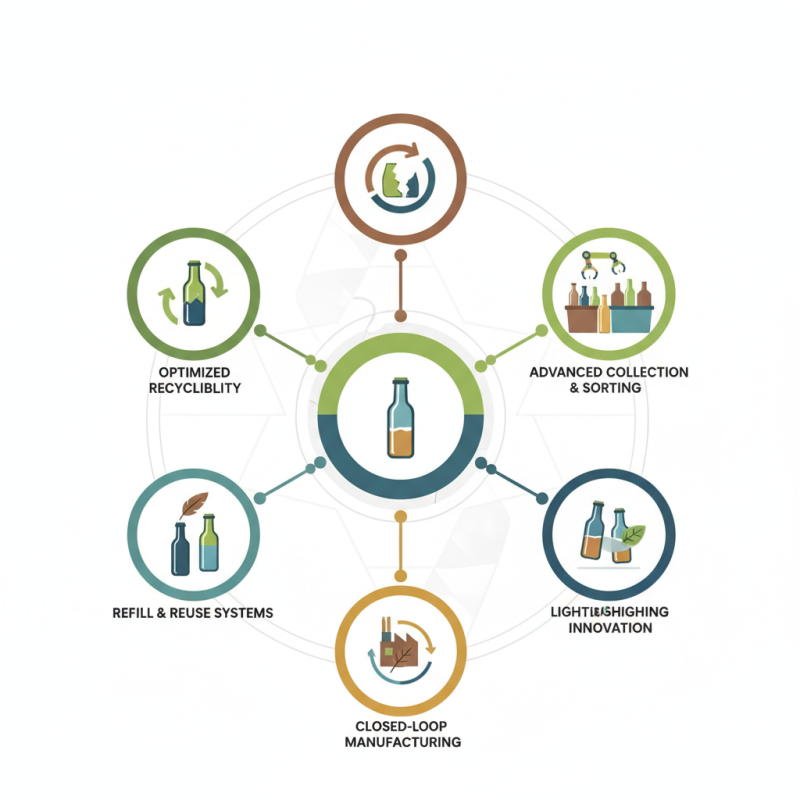
As we approach 2026, the demand for sustainable packaging solutions continues to grow. The glass packaging industry faces unique challenges and opportunities. Experts advocate for innovations that can significantly enhance eco-friendliness. One notable voice in this field, Dr. Sarah Miller, emphasizes, "We must optimize recyclability and eco-friendly features of glass packaging to meet future consumer expectations."
Incorporating eco-friendly practices is not just a trend; it is a necessity. Consumers are increasingly aware of their environmental impact, pushing brands to seek greener alternatives. Glass packaging is favored for its recyclable qualities, yet its full potential is often underutilized. Enhancing the recyclability of glass is essential. Many companies are still using processes that are not as efficient as they could be.
The industry must go beyond mere compliance. A focus on sustainability should inspire innovation. There are still gaps in technology that need addressing. For instance, improving collection and sorting technology can elevate recycling rates. Each step can lead to a better environment and a healthier planet. Brands need to reflect deeply on their current practices. Embracing a mindset of continuous improvement will be critical to future success.
The glass packaging market is poised for significant growth in 2026. A recent report estimates that the global market will reach $95 billion by 2026, expanding at a CAGR of 4.5%. This growth is driven by increasing consumer demand for sustainable packaging solutions. An astounding 74% of consumers prefer products in glass bottles due to their eco-friendly reputation. This trend underscores the rising awareness of environmental issues.
Innovations in the glass packaging sector are noteworthy. Companies are focusing on lightweight designs to reduce materials used in production. Additionally, advancements in recycling processes promise improved recycling rates for glass. Currently, only 30% of glass is recycled effectively. Efforts to enhance recycling are crucial, given the sustainability goals many countries aim to achieve by 2030.
Despite these positive trends, challenges exist. The high energy consumption during glass production raises concerns about carbon footprint. Manufacturers are exploring renewable energy sources, but progress is slow. Moreover, the potential for breaking during transportation still poses risks for companies, affecting overall supply chain efficiency. While the market moves forward, addressing these challenges remains essential for sustainable growth in glass packaging.
| Trend | Description | Impact on Environment | Projected Growth (%) |
|---|---|---|---|
| Sustainable Sourcing | Increasing use of recycled materials in glass production. | Reduces carbon footprint and waste. | 15% |
| Lightweight Glass Packaging | Developing thinner and lighter glass packages. | Decreases energy usage during transportation. | 20% |
| Innovative Designs | Creative and functional glass packaging designs. | Promotes recyclability and consumer appeal. | 12% |
| Smart Packaging | Incorporating technology for tracking and information. | Improves efficiency and reduces waste. | 18% |
| Bio-based Coatings | Using natural materials for coatings on glass. | Enhances biodegradability of packaging. | 10% |
: The glass packaging market is expected to reach $95 billion by 2026, growing at 4.5% annually.
About 74% of consumers choose glass bottles due to their eco-friendly image and sustainability.
Innovations include lightweight designs and advancements in recycling processes to boost sustainability.
Only 30% of glass is effectively recycled. Improving recycling rates is essential for sustainability.
High energy consumption and transportation risks pose significant challenges in the glass production process.
Yes, a growing number of consumers are willing to spend extra for sustainable packaging solutions.
Look for brands that offer fully recyclable glass options and share their sustainability practices openly.
Lightweight glass reduces material usage and transportation emissions, contributing to lower overall waste.
The industry needs to balance sustainability with affordability, which can be a tough challenge.
Every purchase of sustainable products sends a positive message to the market, encouraging more eco-friendly practices.
The 2026 glass packaging market is poised for significant transformation, driven by a growing emphasis on sustainability and eco-friendliness. Current trends indicate an increasing focus on how to optimize recyclability and eco-friendly features of glass packaging, with sustainability metrics becoming essential for evaluating recyclability rates and carbon footprints. Innovative designs play a crucial role in this shift, as customization enhances the appeal and functionality of eco-friendly glass products.
Consumer preferences are notably changing, with a strong demand for sustainable packaging solutions influencing market dynamics. Additionally, government initiatives are creating a regulatory environment that encourages companies to adopt greener practices. As the glass packaging industry moves forward, these factors will collectively shape the future landscape, aligning with ecological goals and consumer expectations.

 Bogart Glass