The food and beverage industry is facing increasing challenges related to product freshness and shelf life. According to recent market research, effective packaging can increase a product's longevity by up to 30%. Glass packaging stands out for its ability to protect contents from light, moisture, and oxygen, all crucial elements in maintaining quality. Enhance product freshness and shelf life with proper glass packaging methods, as these solutions meet consumer demand for longer-lasting products.
In addition to preserving freshness, glass packaging is environmentally sustainable. A report from the Glass Packaging Institute indicates that over 95% of glass can be recycled, contributing to a circular economy. This fact appeals to eco-conscious consumers who prioritize sustainability in their purchasing decisions. However, the industry must address some challenges, such as the higher production costs associated with glass compared to plastic.
Innovative designs and technology can mitigate these issues while ensuring that glass remains a top choice for maintaining food and beverage quality. The reliance on glass packaging must also evolve continuously, as consumer preferences shift. Understanding these dynamics is essential for brand loyalty and market competitiveness. Effective strategies for glass packaging will not only meet the needs of today’s consumers but also lay the groundwork for future growth.
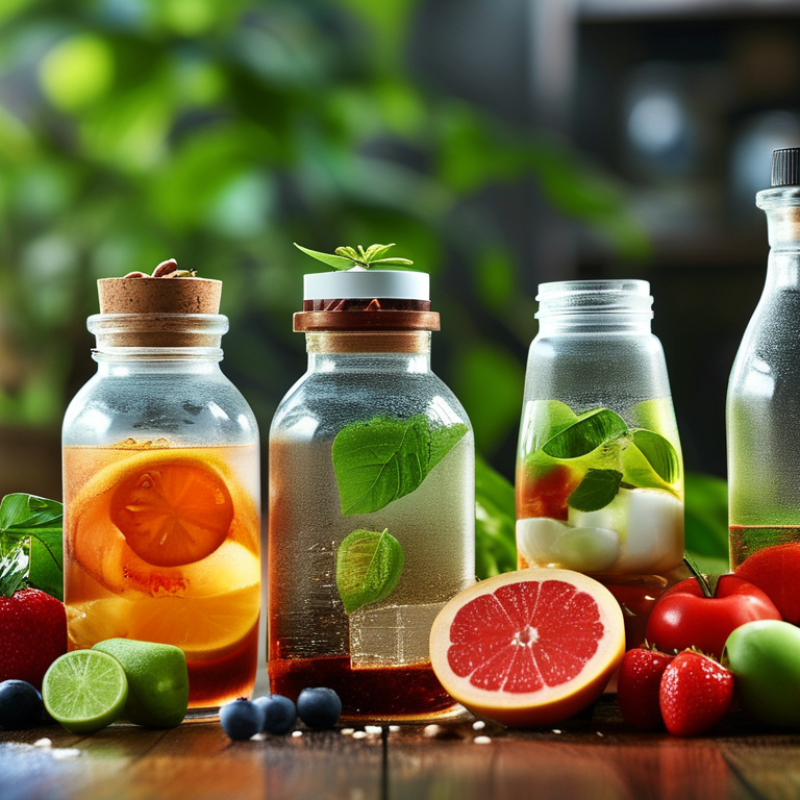
Glass packaging offers remarkable advantages for preserving freshness. Its rigid structure keeps air and moisture out. This helps prevent spoilage of food and beverages. With glass, there’s no risk of chemical leaching. Unlike plastic, glass does not react with contents. This ensures that flavors and nutrients remain intact.
Moreover, glass is an excellent insulator. It protects against temperature fluctuations. Storing items in glass containers can help maintain their ideal environment. This is vital for products like juices and sauces. While glass is heavier than plastic, its benefits often outweigh this drawback. Businesses may need to reconsider shipping costs versus product quality.
Additionally, glass is recyclable. This feature appeals to eco-conscious consumers. However, the recycling process isn’t perfect and requires energy. It raises questions about efficiency. Despite these imperfections, glass remains a preferred choice for many. The tactile experience of glass enhances the consumer's connection to the product.
Innovative glass designs play a crucial role in extending product freshness. Recent studies reveal that glass packaging can significantly preserve the quality of various consumables. According to a report from the Glass Packaging Institute, glass provides an impermeable barrier against oxygen and moisture. This helps maintain the integrity of products, ensuring they stay fresher for longer.
One distinctive feature of glass packaging is its recyclability. Over 90% of glass can be recycled without losing its quality. This offers a sustainable option while contributing positively to brand image. However, the industry still faces challenges regarding the energy required for production. The balance between sustainability and energy consumption needs careful consideration.
Modern designs also incorporate features like tamper-evident seals and ergonomic shapes. These enhance usability while protecting product content. For example, some glass containers use a vacuum-sealing technology that extends shelf life even further. However, cost remains a concern for mass adoption of advanced designs. Innovations in glass packaging could redefine how products are stored and sold, but the industry must address economic viability.
Recent advancements in glass sealing methods have significantly enhanced product freshness.
Innovative technologies now ensure airtight seals with precision. These developments, driven by a deep understanding of material properties, allow for a substantial
reduction in the transfer of gases and moisture.
New techniques, such as advanced coatings, improve barrier performance. This is crucial for
food and beverage industries. Enhanced sealing methods can lead to longer shelf lives,
reducing waste and preserving quality. However, not all methods are perfect. Some may increase production costs or require adjustments in manufacturing processes.
Experimentation with new sealing materials and processes continues in the industry. It is essential to balance cost efficiency and effectiveness.
While advancements offer promising solutions, each technology must be evaluated for specific product needs. This allows producers to make informed decisions
about which glass packaging methods best suit their requirements.
Glass packaging is gaining attention for its sustainable benefits in food preservation. Unlike plastic, glass is recyclable without degrading its quality. According to a report by the European Container Glass Federation, glass can be reused endlessly, which significantly reduces waste. In 2020, the recycling rate for glass packaging in Europe reached 76%, showing a strong commitment to sustainability.
Using glass jars or bottles can extend product freshness due to their impermeable nature. They protect food from moisture and oxygen, which are major contributors to spoilage. A study revealed that food stored in glass containers can maintain quality for 20% longer than in plastic. This characteristic helps reduce food waste and promotes longer shelf life.
Tip: Choose dark-colored glass for light-sensitive products. This helps maintain flavor and nutritional value.
However, the heavy weight of glass can lead to higher transportation costs. Companies need to consider this factor carefully. Moreover, while glass is durable, it is not unbreakable. Consumers should be aware of the fragility and handle glass packaging with care.
Tip: Invest in protective packaging to minimize breakage during shipping.
Ultimately, the choice of glass as a packaging solution requires balancing sustainability with practicality and cost-effectiveness.
Glass packaging offers unique advantages in preserving product freshness. A recent study by the Glass Packaging Institute states that glass is inert and impermeable. This means it protects products from external elements, maintaining their quality over time. Studies indicate that glass containers can extend shelf life by 30% compared to plastic alternatives.
When assessing glass versus plastic, the differences are stark. Plastics can leach chemicals, impacting flavor and safety. A 2021 report from the European Food Safety Authority highlighted this risk, showing that about 25% of plastic containers can potentially release harmful substances. Additionally, glass can be reused indefinitely without loss of quality, while plastic degradation limits its reusability. This recyclability not only benefits the environment but also appeals to eco-conscious consumers.
While glass has many advantages, it’s not without challenges. Higher production costs and breakability can deter some producers. There’s ongoing debate about whether glass is always the best option. Yet, its ability to extend freshness makes it a vital player in sustainable packaging discussions. The industry continues to evolve, seeking to balance cost with environmental impact and product safety.
: Glass is fully recyclable and can be reused endlessly without degrading its quality. This reduces waste significantly.
Glass containers protect food from moisture and oxygen, extending product freshness by up to 30% compared to plastic.
Dark-colored glass helps protect light-sensitive products, maintaining their flavor and nutritional value longer.
Glass is heavier, which increases transportation costs. It's also breakable, requiring careful handling by consumers.
Glass is inert and does not leach harmful chemicals, unlike about 25% of plastic containers that may release substances.
Companies need to balance the higher production costs and breakability with the benefits of sustainability and product freshness.
Yes, glass helps maintain food quality, which can significantly lower food waste and extend shelf life.
Some believe glass is always the best choice. However, there are challenges like breakability and cost to consider.
Yes, there is a growing interest in glass packaging among eco-conscious consumers seeking sustainable options.
Investing in protective packaging can help reduce breakage and ensure safe delivery of glass products.
Glass packaging has emerged as a premier solution for extending product freshness and shelf life. The inherent advantages of glass, such as its impermeability to gases and vapors, play a crucial role in preserving the quality and taste of food and beverages. Innovative glass designs are now being developed to further enhance product freshness and shelf life with proper glass packaging, catering to the diverse needs of consumers and producers alike.
Technological advances in glass sealing methods have also contributed significantly to the efficiency of glass packaging. These improvements not only ensure airtight seals but also bolster the sustainability of glass as a packaging material, making it an eco-friendly choice in food preservation. A comparative analysis of glass versus other packaging materials highlights the superior performance of glass in maintaining product integrity and reducing waste, reinforcing its position as the ideal choice for quality-conscious brands.

Bogart Glass