The environmental impact of glass bottle manufacturing is a pressing concern. As the demand for glass packaging continues to rise, the industry's effects on nature cannot be ignored. Glass production requires significant energy and raw materials, contributing to carbon emissions and resource depletion.
To effectively reduce environmental impact of glass bottle manufacturing, a multidimensional approach is essential. This includes exploring sustainable materials, increasing energy efficiency, and enhancing recycling processes. Each of these strategies plays a crucial role in minimizing waste and conserving resources. Businesses must also address the gaps in current practices, recognizing that more can always be done.
Reflecting on the need for improvement, the industry faces challenges. Transitioning to greener methods may require upfront investment and a commitment to innovation. However, the long-term benefits to the planet and public health make it a vital endeavor. By addressing these issues, we can work collectively towards a more sustainable future.
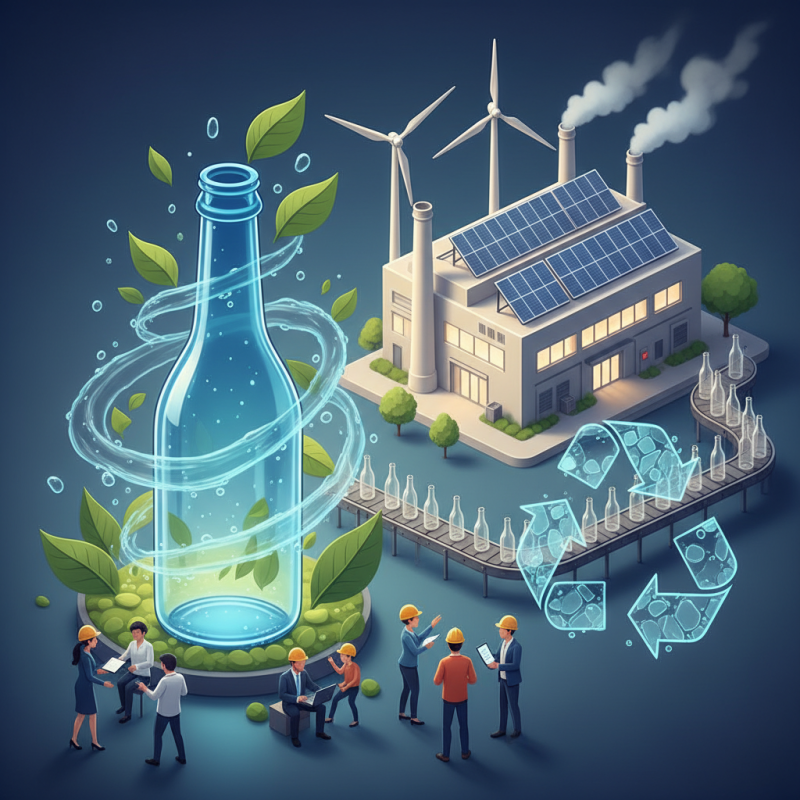
Top 10 Strategies for Sustainable Glass Bottle Production
Sustainable glass bottle production is essential in our quest for a greener future. One effective strategy involves using recycled materials. This reduces the need for raw materials, thereby cutting energy consumption. However, the quality of recycled glass can vary greatly. Manufacturers must ensure that the glass meets safety standards while maintaining its integrity.
Another important aspect is energy-efficient melting processes. Traditional glass melting requires high temperatures, which consume significant energy. Innovations in furnace technology can lower these energy demands. Yet, transitioning to new technologies can be costly and complex. Companies must weigh the long-term benefits against short-term expenses.
Water usage is also a pressing concern. Efficient water management practices can minimize waste. Manufacturers should consider closed-loop systems to reuse water. However, implementing these systems requires considerable investment and consistent monitoring. The challenge lies in balancing operational costs with sustainable practices.
Implementing Closed-Loop Recycling Systems in Glass Manufacturing
Closed-loop recycling systems in glass manufacturing show great promise.
These systems allow glass to be recycled repeatedly without degradation. The process starts by collecting used glass bottles from consumers.
Once collected, they are cleaned and inspected. This ensures only quality materials are reused.
The glass is then crushed and melted. It is reshaped into new bottles. This minimizes the need for raw materials.
Implementing these systems significantly reduces energy use. Recycling glass uses less energy than producing new glass.
It also decreases carbon emissions from production. Industries must improve collection methods to achieve this. Many areas lack proper recycling programs.
People may not be aware of recycling benefits. Therefore, awareness campaigns are crucial for improving participation.
Challenges remain, however. Not all glass can be recycled, depending on color and contamination.
Consumers often discard bottles incorrectly. This adds to waste and increases costs for manufacturers.
Companies need to invest in technology to refine sorting processes.
Ultimately, closed-loop systems require collaboration across industries. Only through shared efforts will these systems reach their full potential.
Reducing Energy Consumption Through Advanced Melting Techniques
The glass bottle manufacturing process has considerable environmental implications, especially regarding energy consumption. Utilizing advanced melting techniques can significantly reduce that impact. These techniques optimize the glass melting process, making it more efficient and less energy-intensive.
For instance, using oxygen-enriched air instead of just ambient air can enhance combustion efficiency. This method increases the temperature within the melting furnace, allowing for shorter melting times. As a result, energy consumption decreases while maintaining glass quality. Another technique involves adopting renewable energy sources to power melting furnaces. This shift can lead to a dramatic reduction in carbon emissions.
Tips for manufacturers include regularly maintaining equipment to ensure optimal performance. Modernizing old furnaces can also yield substantial energy savings. Consider implementing heat recovery systems. These systems capture wasted heat and recycle it back into the process. Each of these strategies contributes to a more sustainable glass production approach.
Engaging in constant evaluation and improvement will lead to more significant environmental benefits and energy efficiency.
Utilizing Renewable Energy Sources in Glass Production Facilities
Utilizing renewable energy sources in glass production facilities can significantly reduce environmental impact. The glass manufacturing process is energy-intensive. Traditional methods heavily reliance on fossil fuels, contributing to greenhouse gas emissions. Transitioning to renewable energy, like solar or wind, can mitigate this issue.
Solar panels can power furnaces that melt raw materials. Facilities can reduce their carbon footprint dramatically by harnessing this clean energy. Wind energy also offers an efficient alternative. However, initial investments in technology and infrastructure can be challenging for many producers.
Moreover, energy storage systems are essential for managing supply variability. Without effective storage, renewable sources might not meet the constant demands of glass production. This introduces a level of uncertainty. Industry stakeholders must weigh these challenges against the long-term benefits of sustainable practices. Adopting renewable energy is not just an ethical choice; it’s a commitment to a more sustainable future.
Top 10 Ways to Reduce Environmental Impact of Glass Bottle Manufacturing
Sourcing Raw Materials from Sustainable and Local Suppliers
Sourcing raw materials from sustainable and local suppliers is a crucial step in reducing the environmental impact of glass bottle manufacturing. Recent studies indicate that locally sourced materials can cut transportation emissions by up to 30%. This not only reduces carbon footprints but also supports local economies. In regions with abundant natural resources, sourcing locally can enhance community resilience and create jobs.
Utilizing recycled glass is another effective strategy. According to the Container Recycling Institute, using recycled glass reduces energy consumption by approximately 26%. Each ton of recycled glass eliminates the need for raw materials such as sand, soda ash, and limestone. However, it is essential to address the limitations of recycled materials. For instance, sourcing high-quality recycled glass can be challenging due to contamination issues. Manufacturers often face hurdles in maintaining standards without compromising sustainability goals.
Investing in sustainable practices also requires an understanding of local ecosystems. This means assessing the impact of mineral extraction on biodiversity. Some suppliers may not adhere to sustainable practices, leading to environmental degradation. Thus, manufacturers must engage in thorough vetting processes when selecting suppliers. A commitment to sustainability should not just be a marketing tactic; it must reflect genuine effort and responsibility. Balancing sustainability with economic viability remains a challenge.
Enhancing Water Efficiency in Glass Bottle Manufacturing Processes
Enhancing water efficiency in glass bottle manufacturing is crucial for reducing environmental impact. The glass manufacturing process is water-intensive. It involves cooling, melting raw materials, and cleaning. Efficient use of water can significantly decrease resource consumption.
Implementing recirculation systems can capture and reuse water in production. This process minimizes freshwater extraction and reduces wastewater generation.
Moreover, adopting advanced technologies helps in optimizing water usage. Techniques like dry cooling systems require less water than traditional methods. Regular audits can identify leaks and inefficiencies in the system. Employees can be trained on best practices to conserve water. Although the transition may face resistance, addressing these challenges is essential for sustainable manufacturing.
Monitoring water usage through real-time data allows companies to react quickly to waste. Collaborations with local communities can further enhance water stewardship. Reflection is needed on current practices to identify improvement areas. Adapting methods to local water availability can foster resilience in production processes. The journey is ongoing, and improvement should be a continuous goal.
FAQS
: Using recycled materials helps reduce raw material needs and energy consumption. However, quality can vary.
Energy-efficient melting lowers energy demands. Traditional methods are costly, but innovations can help.
Implementing closed-loop systems helps reuse water, minimizing waste. This requires investment and monitoring.
They allow glass to be recycled repeatedly without degradation. Quality control is crucial during the process.
Not all glass can be recycled. Contamination and incorrect disposal add to costs and waste.
Advanced technologies and regular audits help optimize water usage. Employee training is also beneficial.
They educate people about recycling benefits, improving participation and collection methods.
Shared efforts can enhance the effectiveness of recycling systems across industries and communities.
It allows quick responses to waste and inefficiencies, improving overall water efficiency.
Reflecting on practices and adapting methods to local conditions is essential for ongoing improvement.
Conclusion
To effectively reduce the environmental impact of glass bottle manufacturing, several key strategies can be employed. Implementing closed-loop recycling systems not only minimizes waste but also conserves resources by reusing old glass in production. Additionally, advanced melting techniques can significantly reduce energy consumption, while transitioning to renewable energy sources for production facilities further enhances sustainability.
Sourcing raw materials from sustainable and local suppliers helps lower the carbon footprint associated with transportation and ensures responsible production practices. Moreover, improving water efficiency in the manufacturing processes can lead to significant reductions in resource use. By adopting these strategies, manufacturers can create a more sustainable framework for glass bottle production, contributing positively to environmental conservation efforts.

 Bogart Glass