How to Reduce Defects in Glass Forming and Surface Treatment?

Time:2026-06-24 Author:Henry
0%

In the world of manufacturing, glass forming and surface treatment are critical processes. However, they often face challenges in delivering high-quality results. The goal to reduce defects in glass forming and surface treatment is essential for achieving optimal performance and aesthetic appeal. Defects such as bubbles, cracks, or uneven surfaces can undermine the integrity of glass products.

Understanding the factors contributing to these defects is vital. This includes the selection of raw materials and precise control of environmental conditions during production. Inadequate monitoring can lead to significant flaws, resulting in waste and increased costs. Lessons learned from past errors can guide improvements in techniques and processes.

Expert insights emphasize the importance of continuous evaluation and adjustment. Implementing advanced technologies can enhance quality control. Regular training for operators is also crucial. While challenges remain, a commitment to refining processes provides a pathway to excellence. By prioritizing methods to reduce defects in glass forming and surface treatment, manufacturers can enhance their products and satisfy consumer expectations.
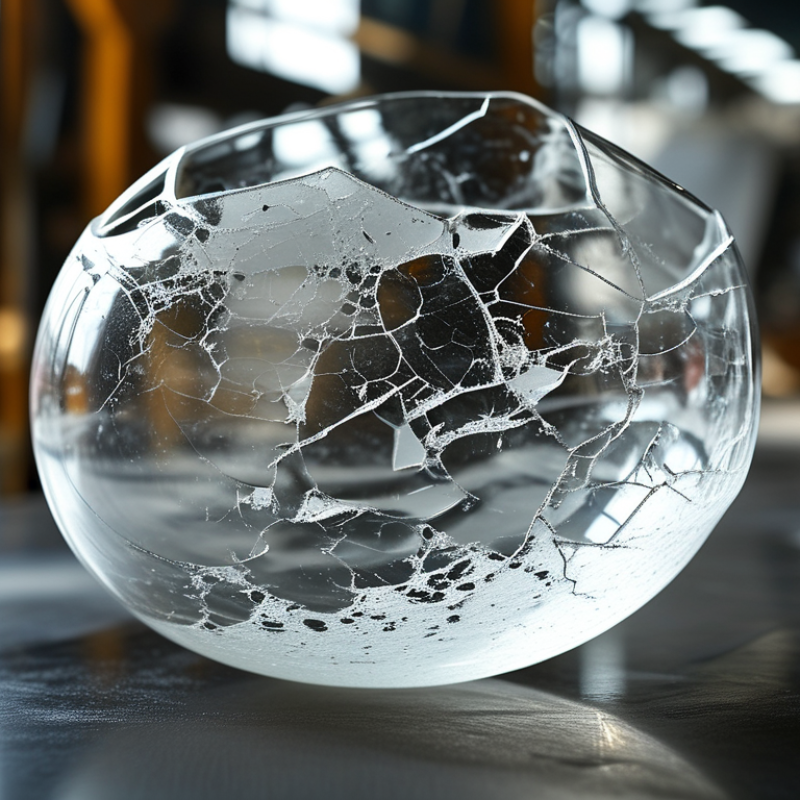
How to Reduce Defects in Glass Forming and Surface Treatment?

Understanding Common Defects in Glass Forming Processes

Understanding common defects in glass forming processes is crucial for quality control. Defects can arise from various factors, including temperature fluctuations and improper handling. For instance, bubbles often form when gas is trapped during melting. These bubbles can weaken the glass and affect its clarity.

Another frequent issue is surface imperfections. Scratches and blemishes can occur during manufacturing or packaging. Even minor contaminants can lead to visible flaws. Each defect not only impacts aesthetics but also functional properties. Detecting these imperfections requires vigilant inspection and testing processes.

Feedback loops within production help identify recurring issues. This reflection allows for continual improvement and better defect management.

Importance of Surface Treatment in Glass Manufacturing

Surface treatment plays a crucial role in glass manufacturing. It significantly impacts the quality and longevity of glass products. According to industry reports, surface defects can affect up to 20% of produced glass. This percentage shows how critical it is to address these issues early in the manufacturing process. Proper surface treatment techniques can reduce these defects and improve overall product performance.

Various surface treatment methods, such as polishing, coating, and chemical treatments, serve specific purposes. For instance, polishing enhances clarity and removes micro-abrasions that can lead to defects. Coatings can provide added strength and resistance to environmental factors. Research indicates that treated glass can endure stress and impact better, reducing the likelihood of premature failure.

However, improper application can introduce new defects—this paradox requires careful monitoring and skilled technicians. Ensuring optimal surface treatment requires constant innovation and adherence to best practices. Industry standards often evolve, pushing manufacturers to adapt. Reflections on current processes can reveal gaps that need addressing. Continuous education and training for personnel in surface treatment are essential. While technology offers advanced solutions, human expertise remains irreplaceable in achieving high-quality results.

Techniques for Minimizing Glass Defects during Formation

Glass forming is a delicate process. Achieving the desired quality often requires attention to detail. Even minor imperfections can lead to significant issues. Here are a few techniques to reduce defects during formation.

Firstly, controlling the temperature is crucial. An inconsistent heating process can lead to thermal stress. This stress often results in cracks or bubbles in the glass. Regularly calibrating your furnace can help maintain an even temperature throughout the heating cycle.

Next, monitor the quality of raw materials. Impurities in the batch can introduce unwanted defects. Regular testing can identify these impurities early. Ensuring that all materials are of high purity will improve the overall glass quality.

Tips: Use high-quality silica. This will minimize inclusions. Regularly inspect your furnace for hot spots. These can create uneven heating.

Finally, consider the forming method. Techniques such as blow molding or press forming can be adjusted to minimize defects. Each method has its unique challenges. Understanding these will lead to better outcomes. Experimenting with different techniques may reveal unexpected solutions. Embrace the learning process and refine your approach.

Best Practices for Enhancing Surface Quality of Glass Products

Enhancing surface quality in glass products is crucial for manufacturers. According to a study published by the Glass and Glazing Federation, up to 30% of production defects stem from surface imperfections. These defects can include scratches, bubbles, and inconsistent thickness, which directly impact product performance and customer satisfaction.

Implementing rigorous quality control measures is essential. Regular inspections and the use of advanced imaging technology can help identify flaws early. However, not all defects are preventable. Some may arise from environmental factors or material inconsistencies. A report from the American Ceramic Society indicates that slight variations in raw materials can lead to significant quality issues.

Tips for improving surface quality include optimizing the melting and forming processes. Consider adjusting temperatures and dwell times to minimize defects. Additionally, integrating proper annealing practices can help reduce residual stress in glass, enhancing its durability. Remember, perfection in glass production is challenging. Continuous monitoring and adaptation to processes are necessary for quality improvement. Addressing these imperfections can lead to significant advancements in product reliability and marketability.

Defect Types in Glass Forming

This chart illustrates the proportion of different types of defects observed in glass forming processes. Understanding these defects can help in applying best practices to enhance the surface quality of glass products.

Evaluating the Impact of Environmental Factors on Glass Defects

In glass forming, environmental factors play a significant role in determining the final quality. Temperature fluctuations can lead to uneven cooling, causing internal stress. This stress often manifests as defects like cracks or bubbles. Humidity levels also impact the viscosity of molten glass. Excess moisture can trap bubbles, while low humidity can result in brittle surfaces. Each of these conditions can result in defects that compromise the product's integrity.

Contamination during the forming process is another concern. Particles in the air, like dust or even chemical vapors, can introduce flaws. These imperfections not only affect aesthetics but can also endanger structural integrity. Cleaning protocols must be strict and thorough to minimize these risks. Moreover, worker training is essential. Professionals need to understand how environmental factors can disrupt the delicate glass-making process.

The interplay between nature and technology is complex. While manufacturers strive for perfection, external conditions can be unpredictable. This creates a continuous cycle of evaluation and adaptation. Regular assessments of environmental impact can yield valuable insights. Ultimately, reducing defects requires a keen awareness of how every detail affects the final product.

FAQS

: What are common defects in glass forming processes?

: Common defects include bubbles, surface imperfections, scratches, and inconsistent thickness.

How do bubbles form in glass?

Bubbles occur when gas gets trapped during the melting process.

Why are surface imperfections significant?

Surface flaws impact aesthetics and the functional properties of glass products.

How can manufacturers improve surface quality?

Regular inspections and advanced imaging technology can help detect defects early.

Can environmental factors cause defects?

Yes, environmental conditions and material inconsistencies can lead to quality issues.

What role does temperature play in glass production?

Adjusting temperatures during melting and forming processes can minimize defects.

Is it possible to prevent all defects?

No, some defects may still occur despite rigorous quality control measures.

What is annealing, and why is it important?

Annealing reduces residual stress in glass, enhancing durability and product quality.

How often should inspection processes be conducted?

Continuous monitoring is necessary for identifying problems and improving quality.

Can minor contaminants affect glass quality?

Yes, even small contaminants can lead to visible flaws and quality issues.

Conclusion

The article "How to Reduce Defects in Glass Forming and Surface Treatment" explores the critical aspects of glass manufacturing aimed at enhancing product quality. It begins by identifying common defects in glass forming processes, which can arise from various factors including inconsistencies in materials and environmental conditions. Understanding these defects is essential for implementing effective solutions.

Next, the article emphasizes the importance of surface treatment in eliminating imperfections and improving the overall appearance and durability of glass products. Techniques such as controlled cooling and the use of specialized coatings play a crucial role in minimizing defects during formation. Additionally, best practices for enhancing surface quality are discussed, along with the evaluation of environmental factors that may contribute to glass defects. By focusing on these approaches, manufacturers can significantly reduce defects in glass forming and surface treatment, leading to higher quality outcomes.

Henry

Henry

Henry is a dedicated marketing professional with a profound expertise in the company's offerings. With years of experience in the industry, he possesses an impressive understanding of the market dynamics and consumer behaviors that drive success. Henry is committed to sharing his insights through......