Shipping glass bottles presents unique challenges. Understanding "Why do glass bottles break during shipping and how to prevent it" is crucial for businesses. Industry expert Dr. Emma Collins states, "Proper packaging can significantly reduce glass breakage."
Shipping containers often experience rough handling. The vibrations during transport can lead to stress fractures. Additionally, bottles may clash together, causing shattering. Without the right protective measures, even the best glass products can arrive damaged.
Preventive strategies include using cushioned packaging and adequate spacing. It is essential to ensure that each bottle is secure. However, many companies overlook these details, leading to unintentional losses. Reflecting on these practices can help organizations refine their shipping processes and reduce breakages.
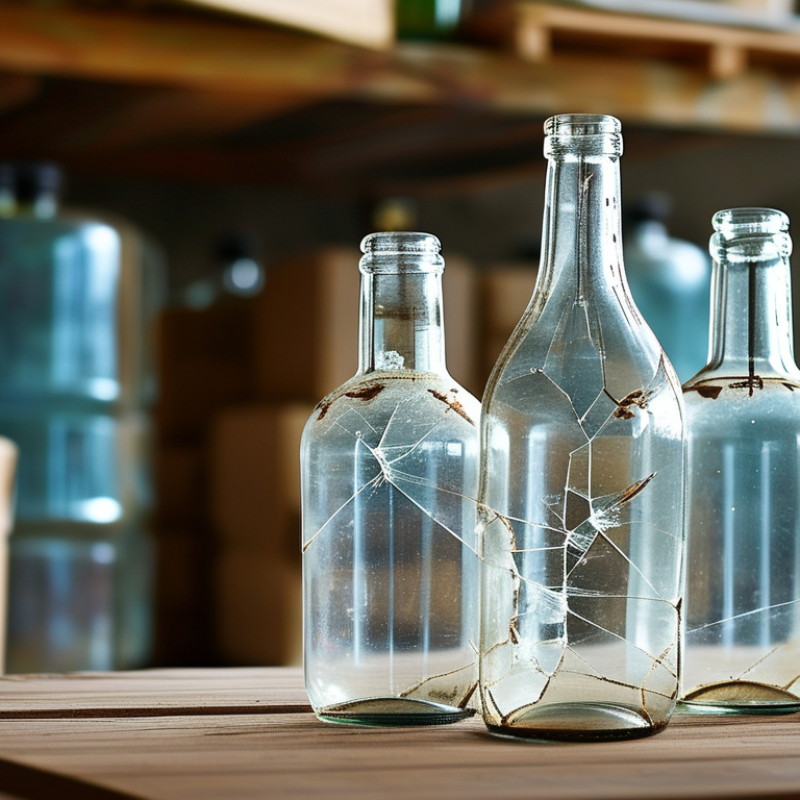
Shipping glass bottles comes with unique challenges. The fragility of glass makes it susceptible to breakage during transport. According to the Glass Packaging Institute, approximately 20% of glass bottles are damaged in transit. This statistic highlights the need for careful handling and packaging.
Common causes of breakage include inadequate cushioning and excessive vibrations. Without proper support, bottles can collide and shatter. Additionally, temperature fluctuations can weaken glass. Research shows that sudden changes in temperature can lead to thermal shock, further increasing the risk of breakage.
To prevent damage, consider these tips: Use high-quality cushioning materials, such as foam inserts or corrugated cardboard. They absorb shock and protect bottles. Ensure thorough sealing of boxes to reduce movement. Lastly, train staff on best practices for handling and packing glass products. Adopting these steps can significantly lower breakage rates and improve overall shipping efficiency.
Improper packaging is a leading cause of breakage during shipping. According to a report by the Glass Packaging Institute, over 25% of glass bottles shipped sustain some damage. This statistic highlights the importance of protective measures.
Packaging materials should cushion and shield the bottles. Styrofoam inserts and biodegradable packing peanuts can absorb shocks. Additionally, cardboard dividers prevent glass bottles from clinking against each other. According to industry data, using proper packaging reduces breakage rates by 40%.
Tips: Always inspect packaging integrity. Look for any signs of wear or damage. Weigh the benefits of different materials. Some might be costly, but they can save money in the long run. Also, consider climate effects. In extreme temperatures, materials expand or contract, increasing breakage risk.
Improperly designed boxes can fail during transit. Companies sometimes overlook custom sizes for fragile items. This can lead to inadequate fitting, resulting in slow shifts of the product inside. Shipping demands attention to detail. Small factors can lead to significant losses. Considerations like box size and padding are key to maintaining safety during transport.
| Reason | Impact | Prevention Method |
|---|---|---|
| Incorrect Packing Materials | Increased risk of breakage due to insufficient cushioning. | Use high-quality bubble wrap or foam inserts. |
| Excessive Movement | Bottle collisions can lead to chipping or breakage. | Secure bottles tightly and use dividers. |
| Temperature Fluctuations | Can cause thermal shock to the glass. | Store and ship in temperature-controlled environments. |
| Poor Quality Glass | More prone to fractures and breakage during transit. | Choose bottles made from high-strength glass. |
| Improper Labeling | Risks mishandling during shipping. | Clearly label packages as fragile. |
| Rough Handling | Increases the chance of impact damage. | Train staff on proper handling techniques. |
| Inadequate Shipping Boxes | Cannot withstand external pressure and may collapse. | Use double-walled boxes for added protection. |
| Poor Packing Techniques | Neglecting to fill empty spaces leads to movement. | Fill voids with packing peanuts or crumpled paper. |
| Overloading Packages | Excess weight can cause breakage during transport. | Adhere to weight limits for each package. |
| Inconsistent Quality Control | Increases likelihood of receiving defective bottles. | Implement robust quality checks before packaging. |
Shipping glass bottles comes with several challenges. Environmental factors can significantly impact their integrity. Temperature fluctuations, humidity, and vibrations all pose risks during transport. Extreme heat can weaken glass, making it more prone to breaking. Cold conditions can also make glass brittle, increasing the chances of shattering.
To protect glass bottles, consider using proper cushioning materials. Bubble wrap or foam can absorb shocks and prevent direct impacts. Additionally, packing bottles upright is crucial. This reduces the risk of tipping and colliding with other items.
Humidity is another key factor. High moisture levels can create condensation, leading to potential breakage. Ensure that the shipping environment is dry and controlled. Regular checks on storage conditions can prevent unforeseen damage. When in doubt, consult with experts on packaging solutions. Their knowledge can prevent costly mistakes.
When shipping glass bottles, proper packaging is crucial to ensure safe delivery. A common mistake is using insufficient padding. Always choose materials that absorb shock. Bubble wrap or foam inserts can effectively cushion the bottles. It's wise to overestimate how much protection is needed.
Frequent errors include improper box sizes. A box that is too large can allow bottles to shift, causing them to collide. Ideally, bottles should fit snugly without movement. Additionally, label the boxes as "Fragile." This signals careful handling to anyone involved in the shipping process.
It's also important to consider temperature variations. Extreme heat or cold can weaken glass. Packaging materials should provide some insulation. Reflective materials can mitigate temperature changes. Remember, even a well-packaged bottle can break if the shipping conditions are poor. Reviewing and adapting shipping methods can lead to better outcomes.
Shipping glass bottles poses significant challenges. Fragile glass is susceptible to breakage during transit. Various factors contribute to this issue. Understanding these factors helps develop effective strategies to mitigate damage.
Innovative solutions are crucial. Implementing protective packaging is one approach. Using molded pulp inserts can keep bottles secure. Innovative cushioning materials absorb shock during transit. Data indicates that proper packaging reduces breakage rates by 30%. Insight from industry reports emphasizes regular quality checks on packing materials. Over time, this enhances reliability.
Tips: Always consider the weight distribution within the shipping box. Heavy items should be balanced with padding. Regularly review shipping procedures to spot potential weaknesses. Consider using temperature and humidity monitors to protect against environmental factors. Awareness of these factors enhances overall shipping safety.
: Temperature fluctuations, humidity, and vibrations can significantly impact glass bottles.
Extreme heat can weaken glass, making it more prone to breaking.
Cold can make glass brittle, increasing the chances of shattering.
Bubble wrap or foam can absorb shocks and prevent direct impacts.
Packing bottles upright reduces the risk of tipping and collisions.
High humidity can create condensation, potentially leading to breakage.
Regular checks on the storage conditions can prevent unforeseen damage.
Using insufficient padding can lead to breakage during transport.
Boxes should fit snugly to prevent bottles from shifting during shipping.
Label boxes as "Fragile" to signal careful handling to all involved.
In the shipping industry, understanding "why do glass bottles break during shipping and how to prevent it" is crucial for ensuring product safety and reducing losses. Common causes of breakage often stem from inadequate packaging, where bottles are not secured properly, leading to movement and impacts during transit. Additionally, environmental factors such as temperature fluctuations and humidity can compromise glass integrity, making it more prone to shattering.
To mitigate these risks, employing best practices for packaging is essential. This includes using cushioning materials, ensuring a snug fit within shipping boxes, and applying innovative solutions like shock-absorbent packaging. By addressing these key aspects, companies can significantly minimize the risk of glass bottle damage, thereby enhancing overall shipping safety and efficiency.

Bogart Glass