In recent years, the focus on sustainability has reached new heights, especially in glass packaging. Dr. Maria Johnson, a leading expert in circular economy practices, states, "To promote sustainable and circular economy for glass packaging, collaboration throughout the supply chain is essential." This insight highlights the need for collective effort in driving change.
Glass packaging holds a unique position in promoting sustainability. Unlike many materials, glass can be recycled indefinitely without loss of quality. However, challenges remain. A significant amount of glass still ends up in landfills rather than being recycled. Enhancing consumer awareness is crucial in changing this trend. Campaigns that educate on proper recycling practices can make a considerable difference.
Adopting innovative technologies is another way to promote sustainable and circular economy for glass packaging. Advanced sorting and recycling methods can reduce waste significantly. Yet, we must also assess the impact of these technologies on the environment. This shows why balanced approaches are necessary. As the industry evolves, it must address both opportunities and areas for improvement to truly achieve sustainability goals.
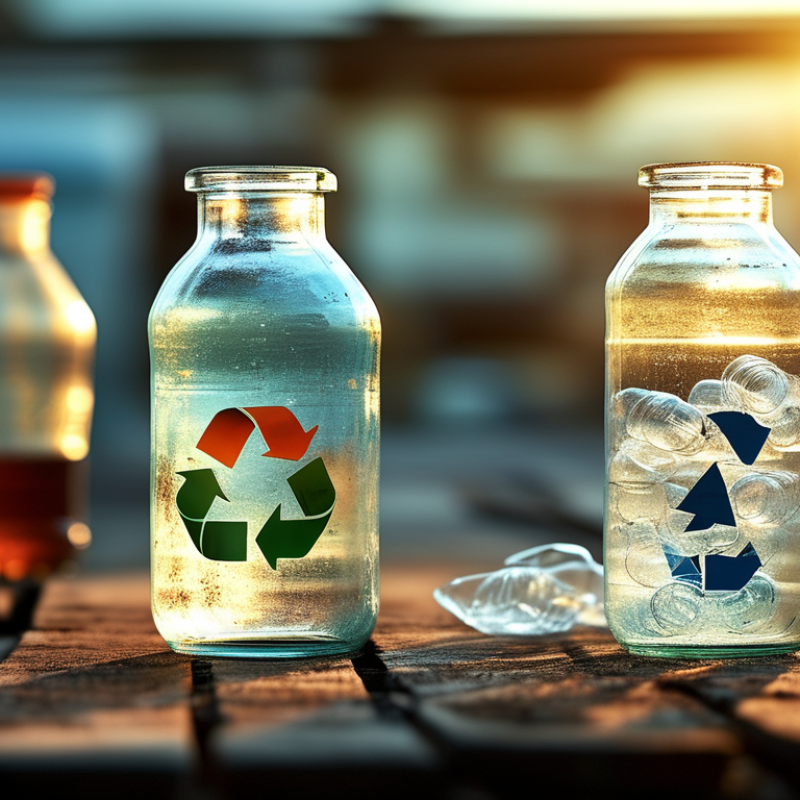
Top Strategies for Increasing Recycled Glass Use in Packaging
The use of recycled glass in packaging is essential for promoting a sustainable circular economy. However, many challenges persist. To increase recycled glass utilization, businesses must embrace innovative solutions.
Tips: Focus on developing partnerships with local recyclers. Establish clear communication to ensure a steady supply of recycled materials. Encourage consumers to return glass bottles. Awareness campaigns can motivate participation.
Adopting eco-design principles is crucial. Design packaging that is easy to recycle. Use fewer materials without compromising quality. Brands often struggle with finding the right balance. Regular assessments of packaging designs can help identify areas for improvement.
Implementing closed-loop systems can significantly enhance recycled glass usage. Companies should create a feedback loop with consumers. Collect data on recyclability rates and consumer behaviors. Use this information to improve packaging solutions continually. Sustainability is a journey that requires constant reflection and adaptation.
Assessing the Life Cycle Impacts of Glass Packaging in a Circular Economy
The life cycle of glass packaging involves numerous stages, from extraction to disposal. Each stage impacts the environment differently. Assessing these impacts helps identify where improvements can be made in a circular economy. Recycling rates are not uniform globally, highlighting disparities. Some regions excel, while others lag behind significantly. This inconsistency poses challenges for a unified approach to sustainability.
Producers must be aware of the materials they select. Understanding energy consumption during production is crucial. Optimizing this process can lead to reduced carbon footprints. However, it's essential to acknowledge that even recycled glass requires energy for processing. The circular economy isn't a perfect system. It relies on consumer behavior, which can vary greatly. Many consumers remain unaware of recycling guidelines, impacting overall effectiveness.
The end-of-life phase for glass presents its own challenges. While glass can be recycled indefinitely, contamination remains an issue. This calls for better public education on recycling practices. Moreover, the infrastructure for recycling varies widely across regions. Not all communities have access to efficient recycling programs. This disparity can lead to increased landfill waste, undermining circular economy goals. Each of these factors highlights the complexity of promoting sustainability in glass packaging.
Top 10 Ways to Promote Sustainable Circular Economy in Glass Packaging
| Strategy |
Impact on Life Cycle |
Benefits |
Challenges |
| Increase Recycled Content |
Reduces resource extraction impacts |
Lower carbon emissions |
Supply chain stability |
| Implement Deposit Return Schemes |
Increases collection rates |
Enhanced recycling quality |
Consumer participation |
| Educate Consumers |
Promotes responsible disposal |
Increased recycling rates |
Behavior change takes time |
| Innovate Packaging Designs |
Optimizes material usage |
Reduced waste generation |
Development costs |
| Support Local Recycling Facilities |
Decreases transportation emissions |
Boosts local economy |
Initial investment required |
| Encourage Reuse Programs |
Reduces demand for new containers |
Minimized resource consumption |
User convenience |
| Utilize Eco-Friendly Production Techniques |
Lowers production emissions |
Better environmental footprint |
Technology adaptation |
| Develop Clear Recycling Guidelines |
Improves sorting efficiency |
Higher purity of recycled glass |
Public awareness |
| Collaborate Across Industries |
Enhances resource sharing |
Broad impact |
Varied stakeholder interests |
| Advocate for Policy Changes |
Shapes industry standards |
Long-term sustainability |
Policy resistance |
Innovative Technologies to Enhance Glass Recycling Rates
Innovative technologies are reshaping glass recycling, making it more efficient and accessible. Advanced sorting systems use AI and machine learning. These systems can accurately identify and separate different types of glass. This precision increases the quality of recycled glass, which is crucial for manufacturers. Enhanced sorting means better end products and less waste.
Additionally, blockchain technology plays a vital role in tracking glass from collection to recycling. It ensures transparency and accountability in the recycling process. This builds trust among consumers and businesses. Digital platforms can also encourage participation in recycling programs. Gamification techniques can engage communities effectively.
Despite these advancements, challenges remain. Not all glass collected is recycled, and misinformation persists. Some consumers still view glass as non-recyclable. Initiatives should focus on education to combat these misconceptions. Addressing behavioral change in society is essential for improving recycling rates. Collaboration between stakeholders can drive more sustainable practices within the industry.
Consumer Engagement: Promoting Glass Recycling Behavior and Awareness
Promoting glass recycling behavior and awareness is crucial for a sustainable circular economy. Consumer engagement can transform how we think about glass packaging and its impact on the environment. Educating the public on the benefits of recycling glass is essential. Many don't realize glass can be recycled indefinitely without losing quality.
One effective strategy is to organize community workshops. These events can teach citizens how to recycle properly. Local experts can demonstrate the recycling process and its environmental benefits. Seeing the impact firsthand can motivate individuals to take action.
Tip: Create eye-catching flyers highlighting easy-to-follow recycling steps. Distributing them in neighborhoods can spark interest. Social media campaigns can also expand your reach. Share fun facts about glass recycling to make it appealing.
Additionally, connecting recycling efforts to local incentives can encourage participation. Some communities offer rewards for recycling habits. This creates a sense of accomplishment among residents. However, not all communities have these programs. Finding ways to engage everyone remains a challenge.
Tip: Develop partnerships with local organizations. Collaborating can strengthen outreach efforts. Bringing together businesses and schools can create a unified message about recycling.
Collaboration Across the Supply Chain for Sustainable Glass Solutions
Collaboration across the supply chain is essential for promoting sustainable glass solutions. When different stakeholders work together, they can create innovative ideas. This approach ensures that materials are used efficiently. It also enhances recycling efforts along the glass packaging value chain. For example, when manufacturers collaborate with recyclers, more glass can be recovered and reused.
Engaging suppliers is equally important. By fostering communication, they can source sustainable raw materials. Sourcing locally reduces the carbon footprint associated with transportation. Additionally, creating a shared vision can lead to the adoption of new technologies. These technologies may improve production processes and energy usage. However, challenges remain. Not all suppliers may be willing to change. Resistance to new methods can slow progress.
Investing in education and training can mitigate these issues. Stakeholders must understand the benefits of sustainability. Workshops and seminars can cultivate awareness. This knowledge encourages a shift towards circular practices. Real change often depends on community involvement. Local initiatives can influence larger supply chain dynamics. Sustainable glass solutions require commitment from every player involved.
Top 10 Ways to Promote Sustainable Circular Economy in Glass Packaging
FAQS
: Recycled glass promotes a sustainable circular economy, reducing waste and resource consumption.
Businesses should form partnerships with local recyclers and ensure clear communication for a steady supply.
Consumers can return glass bottles and participate in awareness campaigns to boost recycling rates.
Eco-design aims to create packaging that is easy to recycle and uses fewer materials without sacrificing quality.
Consumer awareness affects recycling effectiveness. Many are unaware of proper recycling practices, which slows progress.
Advanced sorting systems and blockchain can enhance recycling efficiency, ensuring quality and transparency.
Contamination and inconsistent recycling infrastructure can hinder effective recycling efforts across regions.
No, even recycled glass requires energy for processing, and the system relies heavily on consumer actions.
Better education on recycling guidelines is essential to combat misinformation and inspire responsible behavior.
Innovation and collaboration among stakeholders are key to driving more sustainable practices in glass packaging.
Conclusion
The promotion of a sustainable and circular economy for glass packaging is essential in today's environmentally conscious market. Top strategies to increase recycled glass use in packaging include implementing robust recycling programs, leveraging advanced processing technologies, and assessing the life cycle impacts of glass to ensure a minimal environmental footprint. Innovative technologies play a crucial role in enhancing glass recycling rates, making recycling more efficient and accessible.
Consumer engagement is also paramount; raising awareness and fostering positive recycling behaviors among consumers can significantly contribute to the circular economy. Furthermore, collaboration across the supply chain is vital for developing sustainable glass solutions, ensuring that all stakeholders, from manufacturers to retailers, work together to promote sustainable and circular practices. By focusing on these strategies, we can drive meaningful change in the glass packaging industry.

 Bogart Glass