In 2026, the logistics and storage industry faces significant challenges. Optimizing stacking stability for storage and logistics is paramount. Effective stacking ensures safety and space efficiency, which directly influences productivity. Current methods often overlook crucial factors, such as material properties and environmental conditions.
Consider the varying weight distributions and shelf designs. Poorly stacked items can lead to accidents, causing injuries and financial losses. Innovations in materials and design must be prioritized to enhance stability.
The quest to optimize stacking stability is ongoing. Many organizations struggle to adopt best practices. Some rely heavily on outdated techniques. These errors can undermine overall efficiency. It is vital to embrace new technologies and training. Continuous learning is key to achieving long-term goals in logistics.
The Importance of Stacking Stability in Storage and Logistics
Stacking stability is critical in storage and logistics. According to a 2022 industry report from Logistics Management, nearly 25% of all warehouse accidents occur due to improper stacking techniques. This highlights the need for effective practices that enhance stability. When stacks are unstable, the risk of product damage increases. Additionally, it can lead to employee injuries, resulting in significant costs.
Implementing proper stacking methods can create safer work environments. A study from the Warehousing Education and Research Council indicates that organizations lose up to 35% of their efficiency due to poor stacking practices. Training employees on stacking techniques can mitigate this. However, many companies fall short in providing ongoing education and resources, which is a missed opportunity to improve operations.
Technology plays a role in optimizing stacking stability. Automated systems and AI-driven analytics help monitor stack integrity in real time. However, not all companies leverage these advancements. As the logistics industry evolves, it becomes essential to assess current practices. Ensuring stacking stability can enhance efficiency and safety, ultimately benefiting the bottom line.
Key Factors Influencing Stacking Stability in Warehousing
Stacking stability in warehousing is essential for efficient storage and logistics. Several factors directly influence this crucial aspect. Proper weight distribution is vital. Uneven loading leads to unstable stacks, increasing the risk of accidents. It’s essential to balance heavy and light items. When items are stacked, materials’ physical properties also matter. Some products, like cardboard boxes, have limits. They may buckle under excessive weight. Understanding each item's capacity can prevent issues.
Environmental conditions play a significant role as well. Humidity and temperature fluctuations can affect material strength. For instance, wet cardboard loses stability. Regular assessments of the storage environment are necessary. Many warehouses overlook this factor. Employees must be aware of how conditions can change stack integrity. Training staff on this can foster a safer workplace.
Additionally, the stacking method impacts stability. Stacking goods in a pyramidal shape can enhance balance. However, many still use outdated methods. Rethinking these techniques will benefit logistics. Advanced methods require critical evaluation and adaptation. Regular audits can aid in identifying flaws in current practices. A commitment to improving stacking strategies can significantly enhance efficiency and safety in warehousing.
Technological Innovations Enhancing Stacking Stability in 2026
In 2026, stacking stability in storage and logistics has become critical. Advancements in technology provide solutions to common challenges in warehousing. For instance, improved materials for pallets can enhance weight distribution. This advancement reduces the risk of toppled stacks. These new materials are often lighter but stronger, allowing more efficient loading.
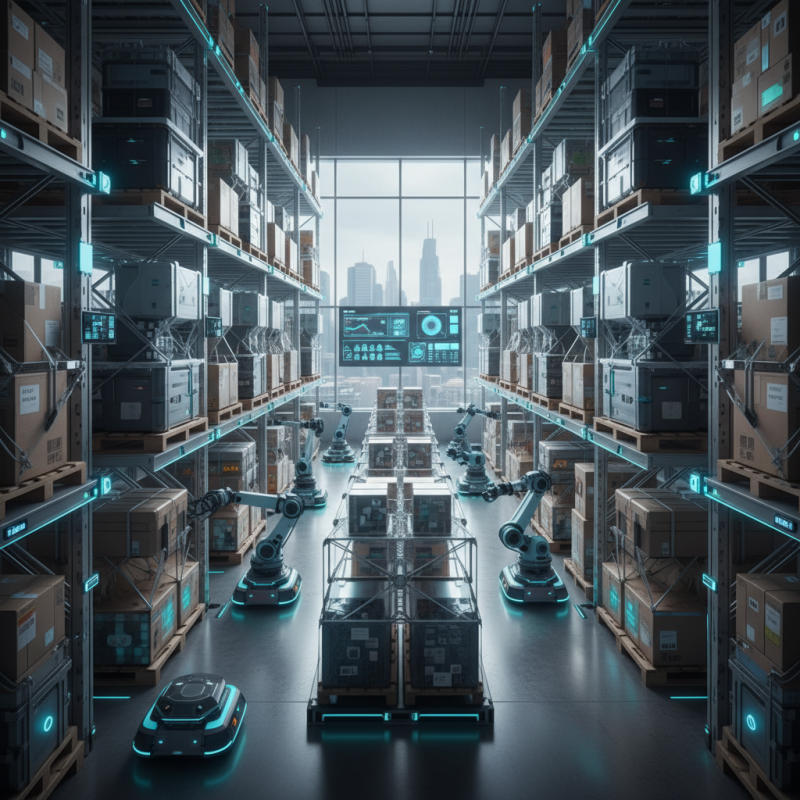
Robotics is another key player here. Automated systems can optimize stacking techniques. They assess weight and balance in real-time, reducing human error. However, these innovations also require proper training and adaptation. Not every facility has the resources to implement them effectively.
Yet, not all solutions will fit every context. Small warehouses may struggle with space limitations. Larger setups might face high costs for state-of-the-art technology. It's essential to evaluate the practicalities of each innovation. Understanding an organization's unique needs is vital for achieving true stacking stability. Adapting to new technologies demands flexibility and a willingness to learn.
Stacking Stability Optimizations in Storage and Logistics (2026)
This bar chart illustrates the impact ratings of various technological innovations on stacking stability in the storage and logistics sectors by 2026. The ratings reflect the expected effectiveness of automated solutions, load distribution algorithms, smart sensors, material innovations, and robotic handling in enhancing stability during storage and logistics operations.
Best Practices for Optimizing Stacking Stability in Logistics
In logistics, stacking stability plays a pivotal role in ensuring safe and efficient storage. It begins with understanding weight distribution. When stacking items, avoid overcrowding shelves with heavier goods on top. Instead, align heavy boxes at the bottom, ensuring an even load distribution. This attention to detail minimizes the risk of items toppling over.
Moreover, consider the stacking method. Using uniform containers can enhance stability. Mixed sizes often lead to gaps, increasing the chance of a collapse. Properly securing stacks with strapping can also help. This technique prevents shifting during transportation. However, over-restraining can cause damage. So, find a balance that protects your goods while maintaining structural integrity.
Lastly, reflect on your current systems. Regularly assess stacking procedures and recognize inefficiencies. Sometimes, a process that worked previously may now hinder effective logistics. Stay adaptable. Use data to inform decisions on stacking practices. Optimization isn't a one-time effort; it requires continuous improvement and an openness to change.
Optimize Stacking Stability for Storage and Logistics in 2026
| Dimension |
Description |
Best Practices |
Expected Outcome |
| Load Distribution |
Evenly distribute weight across pallets |
Use weight sensors to ensure balanced loads |
Improved stability during transport |
| Stack Height |
Optimal height to prevent tipping |
Limit stack height based on weight |
Reduced risk of collapse |
| Material Quality |
Use high-quality pallets and packaging |
Select materials based on weight and durability |
Enhanced safety and reliability |
| Training |
Employee training on stacking techniques |
Provide regular training sessions |
Minimized human error and accidents |
| Environmental Conditions |
Maintain proper temperature and humidity |
Utilize climate control technologies |
Better preservation of materials |
Future Trends in Stacking Stability for Efficient Supply Chain Management
As supply chains evolve, stacking stability becomes crucial. In 2026, efficient storage and logistics will rely heavily on optimizing how products are stacked. The right configuration can minimize space and enhance safety. However, achieving this isn't straightforward.
Improper stacking can lead to accidents. For instance, if items are not evenly distributed, they might topple. This not only damages products but could also injure workers. There are varying factors to consider—weight distribution, material strength, and environmental conditions. A simple miscalculation can disrupt operations.
Innovative technologies will play a role in addressing these challenges. Automated systems may offer solutions for optimizing stack patterns. Yet, reliance on technology poses risks of its own. Human oversight remains essential. Flaws in automation can lead to unexpected failures. Continuous assessment and improvement are necessary to ensure stacking stability in dynamic environments.
FAQS
: Stacking stability prevents product damage and employee injuries, reducing overall costs in warehouses.
Poor stacking practices can lead to a loss of up to 35% in operational efficiency.
Align heavy items at the bottom and use uniform containers to enhance stability.
Automated systems and AI can monitor stack integrity, but not all companies use these tools effectively.
Regular assessments of stacking practices help identify inefficiencies and areas for improvement.
Yes, excessive strapping can damage goods. Balance is key to securing stacks without compromising items.
Innovations will optimize stacking patterns, but human oversight will remain essential to avoid automation errors.
Overcrowding shelves with heavy goods on top can lead to instability and accidents.
Training employees in proper stacking techniques can significantly reduce risks and enhance safety.
The logistics environment changes rapidly; adapting practices is vital for maintaining efficiency and safety.
Conclusion
The article "Optimize Stacking Stability for Storage and Logistics in 2026" emphasizes the critical role of stacking stability in enhancing the efficiency and safety of warehousing and logistics operations. Key factors influencing stacking stability include pallet design, weight distribution, and environmental conditions, which must be carefully managed to prevent accidents and damage.
Technological innovations in 2026, such as advanced materials and automation, are shaping the future of stacking stability. By implementing best practices like standardized stacking techniques and regular assessments, businesses can optimize stacking stability for storage and logistics, ultimately contributing to a more streamlined supply chain. The discussion of future trends highlights the necessity for continuous improvement and adaptation in response to evolving industry demands.

 Bogart Glass