Top 10 Ways to Improve Hygiene and Cleanliness in Glass Packaging?

Time:2026-05-31 Author:Mason
0%

In the glass packaging industry, the importance of hygiene and cleanliness cannot be overstated. Dr. Emily Hart, a leading expert in packaging safety, emphasizes, "To improve hygiene and cleanliness standards for glass packaging, we must prioritize innovative practices." This highlights a growing concern among manufacturers regarding how sanitation affects product safety.

Many consumers are increasingly aware of hygiene issues. They expect glass packaging to meet high cleanliness standards. This expectation has prompted the industry to explore new methodologies. Despite advancements, challenges remain. Some facilities still grapple with outdated cleaning protocols. This can lead to contaminations that undermine consumer trust.

Emphasizing a culture of continuous improvement is essential. Companies need to rethink their hygiene practices regularly. Implementing cutting-edge technologies in cleaning procedures is crucial. The goal is to enhance safety while reducing waste. To truly improve hygiene and cleanliness standards for glass packaging, collaboration across the supply chain is vital. Only through shared knowledge can the industry elevate its hygiene practices effectively.
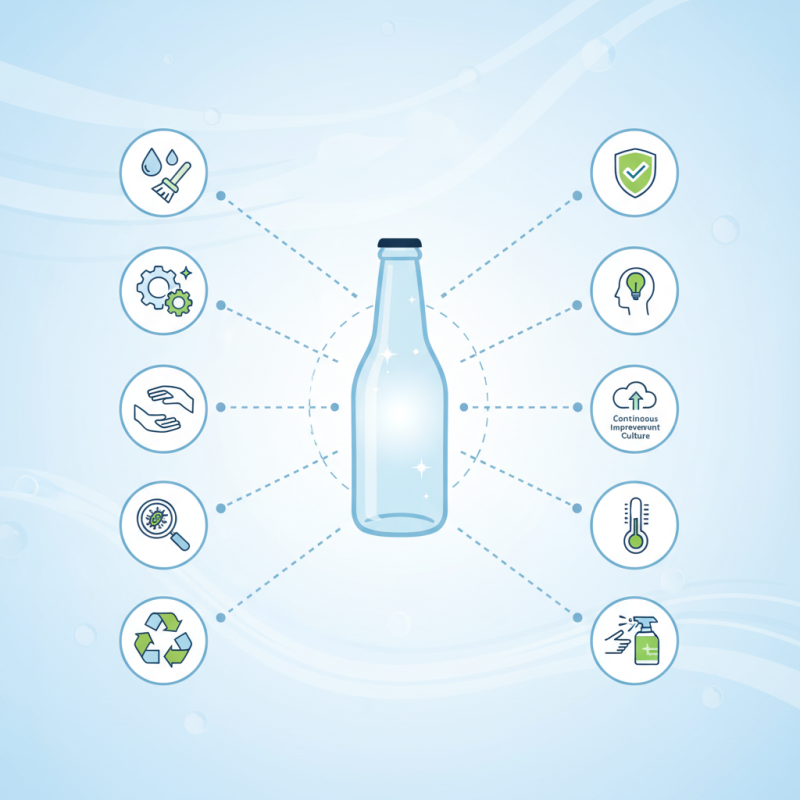
Top 10 Ways to Improve Hygiene and Cleanliness in Glass Packaging?

Importance of Hygiene in Glass Packaging

Hygiene plays a crucial role in the glass packaging industry. Ensuring that glass containers are clean and safe for consumers is more important than ever. According to a report by the Glass Packaging Institute, over 80% of consumer purchases are influenced by packaging aesthetics and cleanliness. This highlights the need for stringent hygiene protocols in production processes.

The risk of contamination in glass packaging is significant. Studies show that contaminated packaging can lead to product recalls and damage brand reputation. In fact, 60% of consumers would avoid products they perceive as unclean. Implementing standard cleaning procedures and monitoring cleanliness can help mitigate these risks. Regular training for employees on hygiene practices is essential, as human errors often lead to lapses in cleanliness.

Moreover, adopting advanced technologies is essential. Equipment like UV sterilizers and automated washing systems can enhance cleaning efficiency. However, not all companies prioritize these upgrades due to costs. This creates a gap in hygiene standards across the industry. Continuous evaluation of hygiene practices and investment in better technologies can significantly improve the safety of glass packaging.

Top 10 Ways to Improve Hygiene and Cleanliness in Glass Packaging

Method Description Importance
Regular Cleaning Implementing a strict cleaning schedule for facilities and equipment. Prevents contamination and maintains product safety.
Employee Training Training employees on hygiene practices and protocols. Ensures everyone understands the importance of hygiene.
Quality Control Regular inspections and tests to identify potential hygiene risks. Maintains high standards and reduces the risk of contamination.
Use of Sanitizers Applying appropriate sanitizing agents to surfaces and tools. Eliminates harmful microorganisms effectively.
Proper Packaging Using secure and airtight packaging to protect products. Prevents external contaminants from affecting the product.
Hygienic Materials Using high-quality, non-toxic materials for packaging. Ensures safety and avoids chemical contamination.
Controlled Environment Maintaining a clean and controlled manufacturing environment. Reduces risk of environmental contamination.
Routine Maintenance Conducting regular maintenance of machinery and tools. Ensures optimal functioning and cleanliness of equipment.
Waste Management Implementing proper waste disposal procedures. Minimizes risks posed by waste and contaminants.
Feedback Mechanism Establishing channels for feedback from employees. Encourages continuous improvement in hygiene practices.

Regular Cleaning Schedules for Glass Manufacturing Equipment

Regular cleaning schedules for glass manufacturing equipment are essential to maintain high standards of hygiene and cleanliness. The glass packaging industry often faces challenges with contamination. According to a study by the Glass Packaging Institute, improper cleaning can lead to a 25% increase in defects. This highlights the importance of routine cleaning practices.

Implementing a structured cleaning schedule allows manufacturers to minimize these risks. Daily cleaning of high-contact surfaces can reduce the transmission of contaminants. A report by the National Association of Manufacturers suggests that consistent cleaning and maintenance can improve operational efficiency by up to 15%. However, many manufacturers still struggle to adhere to these schedules, leading to potential hygiene issues.

Training staff on proper cleaning techniques is equally vital. Workers should understand the importance of hygiene in production. Inconsistent adherence to cleaning protocols can expose products to unwanted residues. A survey showed that 40% of glass manufacturers do not have a documented cleaning process. Documenting these practices can help foster accountability and improve overall cleanliness. Regular audits should be conducted to ensure adherence to these standards.

Use of Eco-Friendly Cleaning Agents in Glass Packaging

In the glass packaging industry, the use of eco-friendly cleaning agents is becoming increasingly important. Reports show that approximately 70% of consumers prefer environmentally safe products. This trend pushes manufacturers to adopt sustainable practices. Effective cleaning agents not only enhance hygiene but also reduce environmental impact.

Using plant-based cleaners can significantly lower the release of harmful chemicals. For instance, using a biodegradable cleaner helps lessen the carbon footprint. Many companies now recognize that traditional cleaning methods are not sustainable. They are seeking alternatives that align with eco-conscious consumer preferences. Cleaner products also lead to safer packaging, which is critical for food and beverage industries.

However, challenges remain. Some eco-friendly agents may not be as effective as their conventional counterparts. The industry must continuously research ways to improve these products. Striking a balance between effectiveness and environmental responsibility is crucial. Further, the lack of regulation in this area can lead to inconsistencies in product performance. Addressing these issues will allow for better standards in glass packaging hygiene.

Employee Training on Hygiene Best Practices in Glass Production

Employee training on hygiene best practices is essential in glass production. Workers must understand the importance of cleanliness. Regular workshops can enhance their knowledge. Hands-on training sessions provide practical experience. This approach fosters a deeper understanding of hygiene protocols.

Routine audits can highlight areas needing improvement. Feedback from employees is vital. They can offer insights into real-world challenges. This can lead to adjustments in training programs. Encouraging open dialogue helps build a culture of cleanliness. Employees should feel comfortable voicing concerns about hygiene practices.

Providing visual aids can reinforce training. Infographics or posters clearly depicting hygiene steps can be useful. Regular reminders can help embed these practices in daily routines. With ongoing training, the team can adapt to changes in standards. Continuous improvement is necessary, even in established programs. Reflecting on training effectiveness allows for better outcomes.

Top 10 Ways to Improve Hygiene and Cleanliness in Glass Packaging

Implementing Quality Control Measures for Cleanliness Standards

In the glass packaging industry, implementing robust quality control measures is vital to uphold cleanliness standards. According to a report by the International Glass Association, contamination in glass packaging compromises not only product quality but also consumer safety. About 30% of manufacturers reported hygiene issues leading to product recalls. Regular audits and inspections are essential in detecting contaminants early.

Monitoring critical control points throughout the production process can significantly reduce risks. Utilizing advanced technologies like automated inspection systems enhances accuracy in identifying defects. A recent study highlighted that 90% of glass packaging facilities using real-time monitoring experienced fewer hygiene-related issues. This highlights the potential of technology in maintaining cleanliness.

Employee training cannot be overlooked. Workers must understand the importance of hygiene protocols. Incorporating standard operating procedures ensures consistency. However, many facilities struggle with adherence to these protocols, leading to lapses in cleanliness. A proactive approach, combined with quality controls, builds a foundation for safer and cleaner glass packaging. Regular training sessions can help reinforce these standards.

FAQS

: Why is hygiene important in glass packaging?

: Hygiene is crucial to ensure glass containers are clean and safe for consumers.

How does packaging cleanliness influence consumer behavior?

Over 80% of consumers are influenced by packaging aesthetics and cleanliness.

What can happen if glass packaging is contaminated?

Contamination can lead to product recalls and damage to brand reputation.

How can companies ensure cleanliness in glass packaging?

Implementing standard cleaning procedures and regular employee training can help.

What role do advanced technologies play in packaging hygiene?

Technologies like UV sterilizers enhance cleaning efficiency but may be costly for some.

Why are eco-friendly cleaning agents important in glass packaging?

Eco-friendly agents cater to consumer preferences for sustainable products and reduce environmental impact.

What is a challenge of using eco-friendly cleaning agents?

Some eco-friendly options may not be as effective as traditional cleaners.

How does using plant-based cleaners affect the environment?

Plant-based cleaners lower harmful chemical releases and reduce the carbon footprint.

What must the industry do to improve eco-friendly cleaning agents?

Continuous research is needed to balance effectiveness and environmental responsibility.

What issue arises from a lack of regulation in eco-friendly cleaning products?

Inconsistencies in product performance can occur without proper regulation.

Conclusion

Improving hygiene and cleanliness standards for glass packaging is essential to ensure product safety and consumer trust. A systematic approach can significantly enhance the overall quality of glass products. Establishing regular cleaning schedules for glass manufacturing equipment not only prevents contamination but also prolongs the life of the machinery. Utilizing eco-friendly cleaning agents further promotes sustainability while maintaining high hygiene standards.

Training employees on hygiene best practices is crucial for fostering a culture of cleanliness within production facilities. By equipping workers with the knowledge and skills needed to uphold cleanliness, companies can minimize the risk of contamination. Additionally, implementing rigorous quality control measures will help ensure that cleanliness standards are consistently met, thus improving the overall integrity of glass packaging. Together, these strategies can effectively improve hygiene and cleanliness standards for glass packaging, benefiting manufacturers and consumers alike.

Mason

Mason

Mason is a seasoned marketing professional with a deep expertise in the company's offerings and a passion for driving brand awareness. With a strong background in digital marketing strategies, he has an innate ability to connect with diverse audiences and effectively communicate product benefits.......