Top 10 Ways to Improve Efficiency in Glass Bottle Production Lines?

Time:2026-07-07 Author:Charlotte
0%

Efficient production is vital in today's competitive glass bottle market. Companies aim to enhance output while minimizing costs. To achieve this, it is essential to improve processing efficiency in glass bottle production lines. Small adjustments can lead to significant gains.

Implementing advanced technologies can streamline operations. For instance, automated machinery reduces human error and speeds up the production cycle. Regular maintenance ensures equipment runs smoothly. However, many industries overlook routine checks, risking delays and losses.

Moreover, workforce training enhances skills and boosts motivation. A knowledgeable team can adapt quickly to changes and troubleshoot effectively. It’s crucial to foster a culture of continuous improvement, where feedback is valued. Failing to prioritize this can lead to stagnation. Ultimately, blending technology with human expertise is key to successful production.
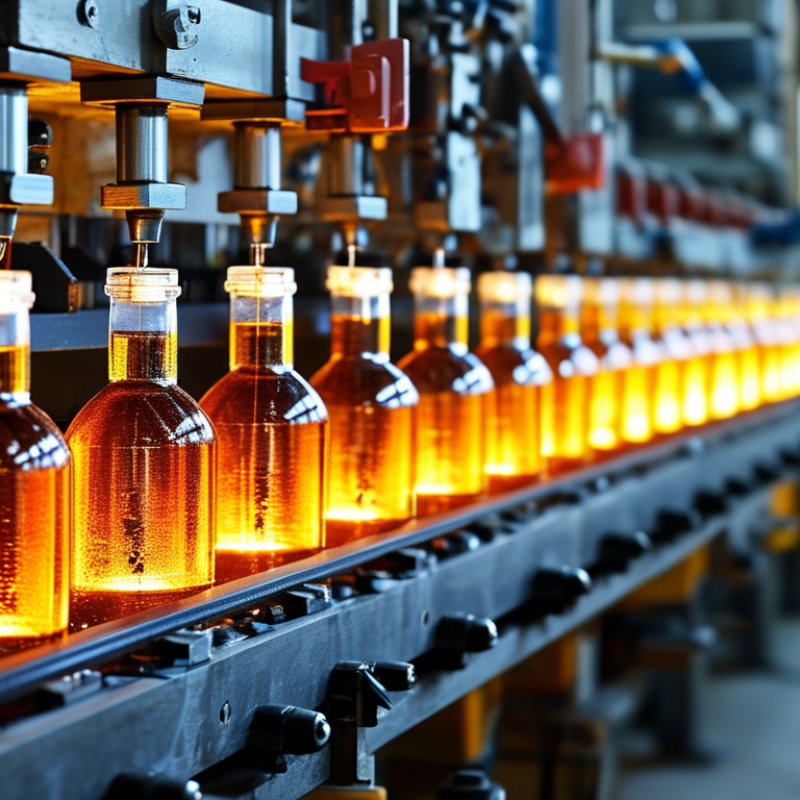
Top 10 Ways to Improve Efficiency in Glass Bottle Production Lines?

Assessment of Current Production Processes in Glass Bottle Manufacturing

In glass bottle manufacturing, assessing current production processes is crucial for enhancing efficiency. Many facilities still rely on outdated methods. Identifying bottlenecks can help prioritize improvements. Regular evaluations can reveal inefficiencies in equipment operation and staff training.

Workers may struggle with repetitive tasks. Implementing ergonomic practices can reduce strain and improve productivity. Investing in training sessions enhances skills. Employees who feel equipped contribute positively to output.

Additionally, monitoring energy consumption is essential. High energy use can inflate production costs. Data-driven insights can guide targeted changes. Collaboration across teams often leads to innovative solutions. Manufacturing processes should encourage feedback to continue evolving. Continuous reflection on current methods fosters a culture of improvement.

Implementation of Automated Technology in Production Lines

The implementation of automated technology in glass bottle production lines significantly boosts efficiency. According to a recent industry report, automation can enhance production speeds by up to 30%. Automated systems tirelessly manage tasks like bottle forming, filling, and packaging, allowing for consistent output quality.


Moreover, integrating robotics reduces labor costs and minimizes human error. For instance, automated machinery can operate 24/7, leading to a higher overall yield. However, the shift to automation presents challenges. Some workers face job displacement, causing workforce tension. Additionally, companies must invest in training existing staff to manage advanced systems effectively.


Data suggests that up to 50% of manufacturing processes could be automated by 2030. This shift will require businesses to constantly adapt. Addressing the skills gap in automation will be crucial for success. Balancing efficiency with social responsibility will define future glass bottle production strategies.

Optimization of Raw Material Handling and Storage Systems

Efficient handling and storage of raw materials are critical in glass bottle production. According to industry reports, up to 30% of production waste comes from poor raw material management. Streamlining processes can significantly reduce this waste and improve overall productivity.

Optimizing storage systems can lead to better space utilization. For example, implementing a just-in-time inventory system reduces storage costs and material spoilage. Many facilities still rely on outdated storage practices, which can create bottlenecks. By utilizing vertical storage solutions, glass manufacturers can save floor space while ensuring easy access to materials.

Material handling systems must also be evaluated. Automating transport within the production line can cut down labor costs by 20%. However, some manufacturers hesitate to invest in new technology due to upfront costs. It’s essential to balance short-term expenses with long-term efficiency gains. Embracing smart handling solutions can ultimately result in a more flexible and responsive production line.

Top 10 Ways to Improve Efficiency in Glass Bottle Production Lines

Training and Development of Skilled Workforce for Efficiency

In glass bottle production lines, training and development of a skilled workforce is vital for efficiency. A well-trained team can identify inefficiencies and suggest improvements. Investing in continuous training leads to better quality control and reduced waste. Employees aware of their roles create a smoother workflow.

Tips for effective training include:

  • Establish clear learning goals. Clear objectives aid in structured training sessions.
  • Use hands-on training methods. Practical experience reinforces learning far better than theory.
  • Encourage peer learning. When skilled employees share knowledge, it boosts morale and fosters teamwork.

Every facility faces challenges. Insufficient training can lead to mistakes and operational downtime. It’s essential to frequently assess training programs and update them according to new production methods. Soliciting feedback from the workforce can reveal overlooked gaps in training. This reflection can guide future training needs, maximizing overall productivity.

Periodic Maintenance and Upgrades of Equipment and Machinery

Maintaining and upgrading equipment in glass bottle production lines is crucial for efficiency. Regular maintenance prevents unexpected breakdowns, which can lead to costly downtimes. Machinery should undergo routine checks for wear and tear. This includes inspecting belts, motors, and sensors. Small issues, if neglected, can escalate into major problems. A proactive approach saves time and money in the long run.

Upgrades are equally important. Technology evolves rapidly, and older machines may become obsolete. Incorporating newer hardware can streamline operations. Automated systems, for instance, reduce manual labor and increase precision. Training staff to use upgraded equipment effectively is vital. A skilled workforce maximizes the benefits of these improvements.

Periodic assessments of production efficiency are essential. These evaluations identify bottlenecks and inefficiencies. Gathering feedback from the production team can provide valuable insights. Sometimes, the issue lies not in the machines, but in improper usage. Continuous improvement practices keep production lines competitive and cost-effective.

FAQS

: Why is assessing current production processes important?

: It enhances efficiency and identifies bottlenecks in manufacturing.

How can workers improve their productivity?

Ergonomic practices reduce strain and boost output during repetitive tasks.

What role does employee training play?

Training enhances skills and helps workers feel equipped for their tasks.

Why should energy consumption be monitored?

High energy use raises production costs, and insights can guide improvements.

What regular checks are essential for machinery?

Inspecting belts, motors, and sensors prevents major breakdowns.

How can technology upgrades benefit production?

Newer systems streamline operations and enhance precision in manufacturing.

What is the significance of feedback from the production team?

It provides insights into inefficiencies, sometimes revealing improper machine usage.

What can small maintenance issues lead to if neglected?

They can escalate into costly major problems over time.

How do continuous improvement practices affect competitiveness?

They keep production lines efficient and cost-effective against market changes.

What is a common oversight in glass bottle manufacturing?

Relying on outdated methods without reflection on the current processes can hinder progress.

Conclusion

To improve processing efficiency in glass bottle production lines, it's essential to conduct a thorough assessment of current production processes. This evaluation helps identify bottlenecks and areas for improvement. Implementing automated technology can streamline operations, reduce labor costs, and enhance precision. Additionally, optimizing raw material handling and storage systems ensures that materials are readily available, minimizing downtime.

Investing in the training and development of a skilled workforce is also crucial, as knowledgeable employees can better adapt to new technologies and processes. Regular maintenance and upgrades of equipment and machinery prevent unexpected breakdowns and extend the life of the production line. Together, these strategies create a more efficient and productive glass bottle manufacturing environment.

Charlotte

Charlotte

Charlotte is a seasoned marketing professional with a deep understanding of the company's portfolio and a passion for elevating its presence in the market. With a keen eye for detail and a commitment to excellence, she ensures that our professional blog is regularly updated with insightful articles......