Why Improve Cold and Thermal Shock Resistance in Glass Bottles?

Time:2026-06-30 Author:Mason
0%

Improving the cold and thermal shock resistance of glass bottles is crucial in today's manufacturing landscape. Dr. Emily Thompson, a glass engineering expert, states, “Enhancing durability allows glass bottles to withstand temperature fluctuations without breaking.” This insight highlights the importance of resilience in glass products, especially for beverages stored in varied environments.

Glass bottles often face extreme temperatures during production, transport, and storage. Any failure to withstand these conditions can lead to product loss and safety hazards. Consumers expect glass bottles to remain intact, thus compelling manufacturers to focus on quality. Addressing cold and thermal shock resistance not only enhances performance but also builds trust with customers.

Yet, not all manufacturers prioritize these enhancements. Some might see it as an additional cost rather than a necessary investment. This oversight can be detrimental in the long run. As consumer expectations grow, the pressure to improve cold and thermal shock resistance of glass bottles becomes even more critical. Companies must rethink their approaches to manufacturing to ensure safety and reliability in their products.
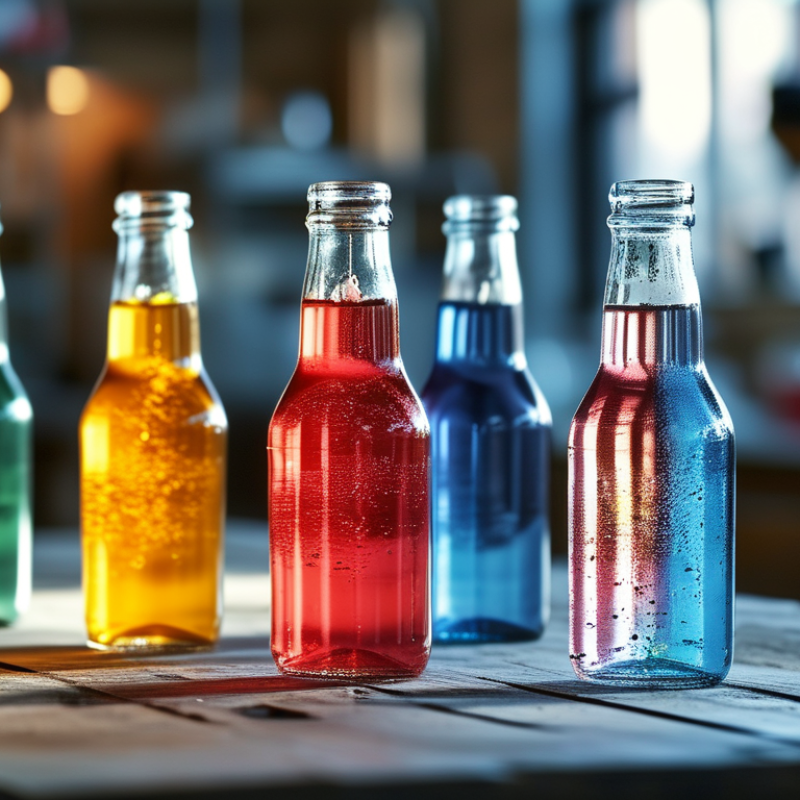
Why Improve Cold and Thermal Shock Resistance in Glass Bottles?

Importance of Cold and Thermal Shock Resistance in Glass Bottles

Cold and thermal shock resistance in glass bottles is crucial for maintaining quality and safety. Glass is often exposed to rapid temperature changes. For instance, a sudden drop in temperature can lead to cracking. A report from the American Glass Research estimates that nearly 30% of glass breakage incidents arise from thermal stresses. This data highlights the need for improved resistance.

When temperatures shift drastically, the material's structure is tested. According to the Glass Packaging Institute, enhancing shock resistance can reduce waste by about 15%. This approach not only saves materials but also reduces costs for manufacturers. However, achieving these results can be challenging. The balance between creating lightweight bottles and retaining durability requires careful consideration.

The impact of inadequate thermal shock resistance can be significant. Bottles that break during handling pose a safety risk. They also affect product integrity, potentially leading to recalls. Companies must invest in research to develop better materials and designs. It’s a continual challenge that needs reflection and innovation.

Factors Affecting Glass Bottles' Resistance to Temperature Changes

Temperature changes can significantly impact glass bottles' performance. The materials used in glass formulation are crucial. Different types of silica, alumina, and other additives play roles in thermal stability. High silica content often enhances resistance to thermal shock. Each ingredient has specific properties that affect how glass reacts to sudden temperature shifts.

Manufacturing techniques also matter. The cooling process, known as annealing, minimizes internal stresses. A well-annealed bottle can better withstand extreme temperatures. However, not all bottles undergo this process properly. Some might have uneven thickness or air bubbles, which compromise their durability.

Environmental conditions further influence resistance. Rapid exposure to hot or cold elements can lead to breakage. Factors like humidity and air pressure also play roles in stress levels. It's vital for producers to understand these dynamics. Optimizing every detail can prevent failures in real-world applications.

Techniques for Enhancing Cold and Thermal Shock Resistance in Glass

Enhancing cold and thermal shock resistance in glass bottles is essential for ensuring their durability. One effective technique involves optimizing the glass composition. By adjusting the ratio of silica to other oxides, manufacturers can improve resistance. This process reduces the formation of stress points, making the glass more resilient to abrupt temperature changes.

Another practical approach is the application of thermal treatment. Annealing, for example, can relieve internal stresses. This involves heating the glass to a specific temperature and then cooling it slowly. Such controlled cooling can significantly improve overall strength, making the glass less prone to breaking under thermal shock.

The design of glass bottles also plays a crucial role. Thicker base and neck sections can support better heat distribution. However, increasing thickness might add weight, which is an area for reflection. Balancing sturdiness and weight is key. Fine-tuning these aspects ensures that glass bottles meet both functionality and aesthetic standards.

Why Improve Cold and Thermal Shock Resistance in Glass Bottles?

Technique Description Benefits Applications
Annealing Controlled cooling process to relieve internal stresses Enhances durability and reduces breakage Beverage, food jars
Tempering Heating glass and then rapidly cooling to toughen Increases resistance to thermal shock and impact High-end wine bottles, specialty jars
Material Composition Using special glass formulations with lower thermal expansion Improves resistance to temperature changes Laboratory glassware, storage containers
Coatings Applying protective coatings to enhance strength Adds a layer of protection against scratches and shocks Consumer goods, glass decor

Applications and Benefits of Improved Shock Resistance in Packaging

Improving cold and thermal shock resistance in glass bottles is essential for various industries. Enhanced shock resistance helps products withstand sudden temperature changes, minimizing breakage. According to a report by the Glass Packaging Institute, optimized shock resistance can reduce breakage incidents by up to 25%. This improvement not only protects the product but also reduces costs associated with damaged packaging.

Applications for improved shock resistance extend across food and beverage sectors. High-quality glass bottles are increasingly used for craft beverages, requiring durability during transport. A study published in the Journal of Packaging Technology suggests that glass packaging with better thermal shock resistance extends shelf life by maintaining product integrity. Increased safety and longevity appeal to manufacturers and consumers alike.

Tips: Consider testing your packaging under extreme conditions. Understanding the limits of materials can reveal weaknesses in your design. Aim for gradual improvements through consistent evaluation. Another suggestion is to collaborate with researchers who specialize in materials science. Their insights can guide you toward innovative solutions.

Challenges in Manufacturing Glass with Superior Shock Resistance

In the glass manufacturing industry, achieving cold and thermal shock resistance is a significant challenge. High-quality glass must withstand temperature fluctuations without breaking. Reports show that about 30% of glass breakage results from thermal shock. This means manufacturers need to optimize their processes to address this critical issue.

One of the primary challenges is controlling the internal stress within glass. During production, variations in cooling rates can lead to areas of tension. If these stresses exceed the glass's strength, cracking occurs. Advanced materials and techniques, such as controlled cooling and improved raw materials, are being researched. According to industry studies, enhancing raw material quality can reduce breakage by up to 15%.

Tips: Ensure consistent cooling during production. This can significantly enhance thermal shock resistance. Always monitor the heating and cooling rates closely.

Another method to improve resistance is to utilize new shaping techniques. Innovative glass forming methods can help dissipate stress more evenly. However, these methods can be costly and experimental. Feedback from manufacturers highlights a steep learning curve associated with these new technologies.

Tips: Consider blending traditional and modern techniques for a balanced approach. Always assess the cost versus benefit.

FAQS

: Why is cold and thermal shock resistance important in glass bottles?

: It maintains quality and safety, preventing cracking during rapid temperature changes.

What percentage of glass breakage incidents are due to thermal stresses?

Nearly 30% of glass breakage incidents arise from thermal stresses, according to research.

How can manufacturers reduce glass waste?

Enhancing shock resistance can reduce waste by about 15%, saving materials and costs.

What technique can improve the glass composition?

Adjusting the ratio of silica to other oxides can make glass more resilient to temperature changes.

What is annealing, and why is it important?

Annealing is a thermal treatment that relieves internal stresses, improving glass strength.

How does bottle design affect thermal shock resistance?

Thicker base and neck sections help with heat distribution, but may add weight.

What are the primary challenges in manufacturing glass with superior shock resistance?

Controlling internal stress and ensuring consistent cooling rates are significant challenges.

What innovation can help dissipate stress in glass?

New shaping techniques can distribute stress evenly, but may be costly.

How much can enhancing raw material quality reduce breakage?

It can reduce breakage by up to 15%.

What should manufacturers consider when blending techniques?

They must assess the cost versus benefits of traditional versus modern techniques.

Conclusion

The article "Why Improve Cold and Thermal Shock Resistance in Glass Bottles?" explores the significance of enhancing the ability of glass bottles to withstand extreme temperature changes. Cold and thermal shock resistance is crucial for maintaining the integrity of packaging, as it directly impacts the durability and reliability of glass bottles during transportation and storage. Various factors, including the composition of the glass and manufacturing processes, play a critical role in determining this resistance.

To improve cold and thermal shock resistance of glass bottles, manufacturers can implement techniques such as optimizing glass formulation and utilizing advanced annealing processes. The benefits of enhanced shock resistance extend to various applications, notably in the food and beverage industries, where it ensures safety and product longevity. However, challenges remain in producing glass that consistently demonstrates superior shock resistance, which manufacturers continue to address through innovative practices.

Mason

Mason

Mason is a seasoned marketing professional with a deep expertise in the company's offerings and a passion for driving brand awareness. With a strong background in digital marketing strategies, he has an innate ability to connect with diverse audiences and effectively communicate product benefits.......