Choosing a glass bottle for food, beverages, or homemade products involves more than checking its appearance. A bright, spotless surface does not automatically prove safety. The glass composition, manufacturing quality, closure materials, and intended use all matter. Even a bottle that feels heavy and durable may be unsuitable for hot filling or acidic drinks.
This guide explains How to tell if glass bottles are food-grade safe through practical checks and reliable documentation. It examines food-contact declarations, manufacturer specifications, recycling information, surface condition, and heat resistance. Readers will also learn how to inspect rims, threads, seams, chips, cloudiness, and unusual odors. Small defects can become serious problems.
Look closely.
A trustworthy supplier should provide clear product details and testing information. Relevant standards may vary by market, so vague claims deserve careful review. “Food safe” is not always a complete technical description. It may refer only to the glass, not the cap, liner, adhesive, or coating. That distinction is easy to miss. In practice, I would also question bottles with unknown origins, reused chemical containers, or damaged surfaces. Some recommendations may need adjustment for sterilization, freezing, carbonated drinks, or long-term storage. No single visual clue can confirm safety. A careful decision combines physical inspection, intended-use matching, supplier transparency, and professional guidance when uncertainty remains.
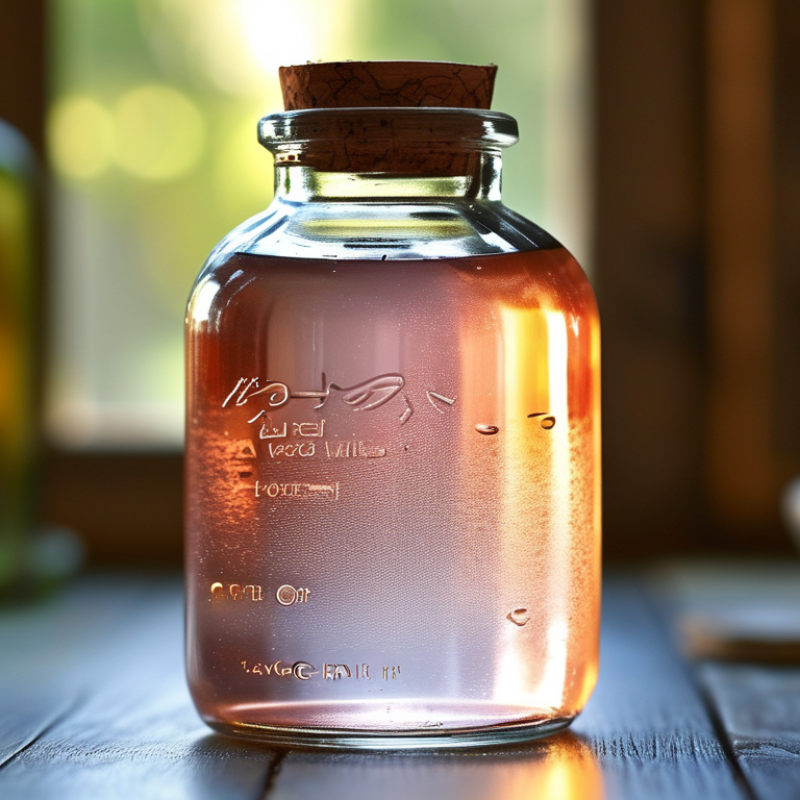
The glass type is a useful starting point, not a complete safety guarantee.
Soda-lime glass is common in jars and beverage bottles. It generally suits cold foods, sauces, juice, and room-temperature storage. Borosilicate glass handles sudden temperature changes better. It may suit hot liquids, laboratory-style containers, or repeated heating when the manufacturer approves that use. Tempered glass resists impact, but it can still break under unsuitable thermal stress.
Check the bottle’s stated purpose carefully.
A container designed for food should identify compatible contents, temperature limits, and cleaning instructions. Look for documentation that confirms food-contact suitability, rather than relying only on clear appearance.
Clear glass can still contain unsuitable coatings, decorations, or residues. The closure matters too. A safe glass bottle can become unreliable if its liner, seal, or cap is not intended for food contact.
Inspect each bottle under bright light.
Reject bottles with chips, deep scratches, cloudy patches, or sharp inner edges. Wash it thoroughly, then check for unusual odors or oily films. Do not assume thicker glass is automatically safer. That shortcut is easy, but incomplete.
I would also question vague claims such as “premium glass” without technical details. This check is practical, yet imperfect.
Supplier records, testing information, and intended-use instructions provide stronger evidence than appearance alone. When hot filling is planned, confirm the process temperature and cooling method before regular use.
A food-safe glass bottle should have a clear food-contact compliance statement. Check the intended use, such as water, juice, oil, or hot filling. Requirements can differ by country and application. Do not rely on the phrase “food grade” alone.
Review the supplier’s declaration of compliance, material specifications, and migration test results. These documents should identify tested substances, temperature limits, and contact duration. Safety certifications can strengthen confidence, but certificates must be current and traceable. Check the testing laboratory, report number, issue date, and covered product model.
Inspect the glass for chips, cracks, sharp edges, unusual cloudiness, or loose particles. The bottle should have consistent walls and a clean inner surface. Confirm that closures, liners, inks, and seals are also approved for food contact.
A safe bottle can still become unsuitable when paired with a poor-quality cap. Ask for batch records and production controls. If possible, compare the delivered bottles with approved samples. Real-world handling matters. Bottles may face heat, pressure, washing, and repeated filling.
Tips: Keep compliance documents with purchase records. Match the bottle to the actual food and storage conditions. Be careful with recycled content claims; they need supporting evidence. A certificate may look convincing, yet missing scope details should raise questions. When information conflicts, pause and request clarification from a qualified supplier or laboratory. That small delay can prevent a costly mistake.
A food-grade glass bottle should look clean, even, and carefully formed. Hold it under bright light and rotate it slowly. The surface should not show cloudy patches, deep scratches, bubbles, or sharp glass flakes. Tiny bubbles may occur in some glass, but large clusters can signal uneven manufacturing. Appearance alone cannot prove safety.
Pay close attention to the seams. A vertical seam may be normal, yet it should feel smooth and consistent. Run a clean fingertip around the neck, rim, and base. Stop if you feel a sharp edge, raised ridge, or rough chip. The mouth must sit evenly, especially when a cap or stopper will be used. An uneven rim can cause leakage and contamination risks. It can also break during repeated handling.
Manufacturing quality appears in the bottle’s balance and thickness. Place it on a flat surface. It should stand firmly without rocking. Compare several bottles from the same shipment; major differences may reveal poor process control. I once trusted a polished surface too quickly, then noticed a weak-looking base after filling. That mistake changed my inspection routine. A careful buyer should also request food-contact test reports, material specifications, and production quality records from the supplier. Visual checks help, but they are not laboratory proof. Even a beautiful bottle deserves closer examination.
Top 10 Ways to Tell If Glass Bottles Are Food Grade Safe?
Chemical stability matters more than visual clarity. A spotless bottle can still release unwanted substances. Check the glass type, manufacturer’s food-contact declaration, and intended temperature range. Soda-lime glass usually handles normal beverages well, while thermal-shock resistance requires separate testing. Never assume “heat-resistant” means suitable for boiling liquids.
Acidity deserves attention. Citrus juice, vinegar, wine, and fermented drinks can contact glass for weeks. ISO 7086-1 uses 4% acetic acid at 22 ± 2°C for 24 hours to assess lead and cadmium release from glassware. This is a useful screening reference, not proof for every bottle. Under EU Regulation (EC) No 1935/2004, food-contact materials must not transfer substances that endanger health or change food quality. Ask for migration results, including acidic simulant testing. Storage tests should also examine sunlight, humidity, repeated washing, and long contact periods. One weakness remains: brief laboratory tests may not represent real kitchens.
Tips: Fill a sample bottle with hot water, then inspect for cracks, haze, odor, or surface marks after cooling. Do not repeat this test with boiling liquid unless the supplier confirms thermal-shock performance. Check the closure too. Caps, liners, inks, and seals may create the real chemical risk. For commercial use, request batch traceability and independent laboratory reports. A low price is not evidence of poor safety, but missing documentation is a serious warning.
| No. | Safety Assessment | What to Examine | Practical Test or Evidence | Key Acceptance Considerations | Risk Reduced |
|---|---|---|---|---|---|
| 1 | Confirm the glass type | Identify whether the bottle is soda-lime, borosilicate, or another composition intended for food contact. | Request the material specification, technical data sheet, and food-contact declaration for the finished bottle. | Suitable material documented Food-contact suitability should apply to the complete article, not only to the raw glass ingredients. |
Unknown composition and unsuitable food-contact materials |
| 2 | Check chemical durability in water | Evaluate whether the glass releases measurable soluble substances during contact with water. | Use a standardized hydrolytic-resistance test, such as an applicable pharmacopeial or food-contact glass procedure, with controlled extraction conditions. | Results should meet the limit specified by the applicable regulation, standard, or product specification. Testing should include representative production samples. | Alkali and other extractable substances migrating into beverages |
| 3 | Assess resistance to acidic foods | Consider products such as fruit juice, vinegar, pickles, sauces, and carbonated drinks, which can have low pH. | Conduct migration or extraction testing using a validated acidic food simulant under the intended time and temperature conditions. | Migration must remain within the applicable legal limits. Low pH alone does not automatically make glass unsafe, but it increases the importance of validated testing. | Long-term release of ions or surface constituents into acidic foods |
| 4 | Test heat exposure and thermal cycling | Review the bottle’s resistance to filling, pasteurization, hot washing, or other planned heat processes. | Apply the intended hot-fill or thermal-cycle profile, followed by visual inspection and chemical-resistance evaluation. | There should be no cracking, clouding, flaking, or unacceptable change in extractables. Thermal-shock suitability depends on the bottle design and glass composition. | Breakage, surface damage, and heat-accelerated migration |
| 5 | Verify storage-condition compatibility | Review exposure to refrigeration, room temperature, elevated temperature, humidity, light, and extended shelf life. | Perform accelerated and real-time storage studies using the actual product, closure, fill level, and packaging configuration. | Check for changes in appearance, odor, taste, pH, extractables, and closure performance. Storage claims should be supported by conditions that represent actual use. | Time-dependent migration, product contamination, and packaging failure |
| 6 | Inspect the internal surface | Look for chips, cracks, scratches, haze, bubbles, stones, cord marks, or rough areas on the product-contact surface. | Use controlled visual inspection under suitable lighting, supported by magnification or automated inspection where available. | The inner surface should be smooth and free from defects that could trap residues, shed particles, or reduce chemical durability. | Particle shedding, microbial retention, and localized corrosion |
| 7 | Evaluate decorations and coatings | Check labels, inks, paints, ceramic decorations, exterior coatings, and any treatment near the bottle opening. | Request separate food-contact or incidental-contact documentation and test finished decorated bottles when contact or transfer is possible. | Decorations should not flake, bleed, or transfer under expected heat, acidity, washing, or condensation conditions. The bare glass result may not represent the finished package. | Transfer of non-glass substances and surface contamination |
| 8 | Check the closure and sealing system | Assess caps, liners, gaskets, adhesives, and sealants that directly contact the food or beverage. | Conduct finished-package migration, leakage, odor, and compatibility tests using the intended closure and filling process. | Food-contact safety depends on the entire package. The closure must maintain a seal without imparting unacceptable chemicals, odors, or flavors. | Migration from non-glass components and post-filling contamination |
| 9 | Review migration and extractables data | Consider inorganic elements and other substances that could be released from glass, coatings, or closures. | Use a qualified laboratory to test appropriate food simulants and analytical targets under worst-case intended-use conditions. | Compare results with the limits of the destination market and the intended food category. Testing should be performed on production-equivalent samples. | Undetected chemical migration and regulatory non-compliance |
| 10 | Verify manufacturing controls and traceability | Review batch identification, inspection records, cleaning controls, change control, and handling practices. | Audit the quality system and request certificates of analysis, conformity declarations, test reports, and traceability records for each relevant batch. | Evidence must be traceable Safety documentation should correspond to the actual bottle design, material, decoration, closure, and manufacturing site. |
Batch variation, contamination, counterfeit documentation, and uncontrolled changes |
Note: A food-grade assessment should be based on the complete packaging system and the intended food, temperature, contact time, and storage conditions. Applicable requirements vary by market and product category.
Supplier testing records reveal more than a food-grade label. Request the material specification, recent migration-test report, certificate of analysis, and production-batch number. The report should identify test methods, laboratory accreditation, test date, and intended food contact conditions. FDA 21 CFR 174.5 requires food-contact materials to be produced under suitable manufacturing practices. However, a certificate alone proves little. A polished document can still hide weak lot control.
Check whether each bottle links to raw materials, furnace production, inspection results, and shipment records. ISO 22000:2018 requires documented traceability through defined stages. BRCGS Food Safety Issue 9 also calls for traceability testing at least annually, including quantity reconciliation. Ask the supplier to perform a mock recall using one pallet’s code. They should identify the glass composition, production shift, inspection results, and delivery customer quickly. If records use inconsistent dates or handwritten corrections, pause the approval process. Small gaps matter.
Tips: Ask for three consecutive batch records, not one perfect sample. Confirm migration testing matches your product, temperature, filling process, and storage time. Photograph the pallet label when it arrives. Keep your own receiving log. I would also verify the laboratory directly, because paperwork can be copied, misunderstood, or simply outdated.
: No. Request a food-contact compliance statement, material details, and migration-test results. Labels alone prove little.
It should name the tested substances, temperature limits, contact time, and intended use. Check its issue date and product scope.
Not always. Water, juice, oil, and hot-filled products create different conditions. Match the bottle to actual use.
Look for chips, cracks, sharp edges, cloudy areas, and loose particles. Check the inner surface under bright light.
Yes. Closures, liners, inks, and seals also need suitable approval. A safe bottle can become unsuitable with a poor cap.
Ask for material specifications, recent test reports, analysis certificates, batch numbers, and production records. Request three consecutive batches.
Match each bottle to raw materials, furnace production, inspection results, and shipment records. Photograph the pallet label when it arrives.
Inconsistent dates, handwritten corrections, missing laboratory details, and unclear product scope deserve attention. Do not rush approval.
No. Request supporting records and confirm the claim’s scope. I might pause approval until the evidence is clear.
Stop the review and request clarification from a qualified supplier or laboratory. A short delay may prevent an expensive mistake.
Learning how to tell if glass bottles are food-grade safe begins with identifying the glass type and confirming that it is designed for the intended food or beverage use. Check whether the bottle is suitable for liquids, dry goods, acidic products, or hot filling. Review its food-contact compliance information and safety certifications, then inspect the surface, seams, and finish for cracks, chips, bubbles, rough edges, or manufacturing defects that could affect hygiene and durability.
You should also consider how the bottle performs under heat, acidity, repeated storage, and temperature changes. Safe glass should remain stable without releasing unwanted substances or weakening during normal use. Finally, ask the supplier for test reports, material specifications, production records, and traceability details. These steps provide a practical way to determine how to tell if glass bottles are food-grade safe and help ensure consistent quality from production through final use.

Bogart Glass