Glass bottles look sturdy on a counter. In transit, they face drops, vibration, compression, and sudden temperature changes. A thin carton or loose cap can turn a careful shipment into a box of shards. How to pack glass bottles for safe transportation starts with controlling movement, not simply adding more padding.
The U.S. Environmental Protection Agency’s 2018 Advancing Sustainable Materials Management report estimated that 12.3 million tons of glass containers and packaging were generated in the United States; about 25.6% was recycled. That figure describes material flows, not shipping breakage, but it shows why preventing avoidable damage matters. ISTA Procedure 3A and ASTM D5276 provide established methods for evaluating parcel-package vibration and drop performance. These are useful references, though a test cannot reproduce every route or handling mistake.
Jay Singh, a packaging engineering professor at Cal Poly, has researched protective packaging. To avoid misquoting him, the line below is a practical paraphrase, not a verbatim quotation: “Design the package for the hazards it will meet, not just for how it looks on a shelf.” A bottle should sit upright in a snug divider, with cushioning around its base, neck, and body. No glass should touch another bottle or the carton wall. Check the fit. Then check it again.
This guide explains how to choose a rigid box, separate bottles, seal closures, and test the packed parcel before dispatch. It also acknowledges a limit: careful packing reduces risk; it cannot guarantee an unbroken arrival. A little humility belongs in any shipping advice.
Assess Bottle Type, Size, and Shipping Risks
Before packing, assess the bottle’s material, shape, capacity, and closure. A thin, tall bottle can tip or crack more easily than a short, thick-walled one. Engineering ToolBox’s material-property table places ordinary glass density near 2,500 kg/m³, so even a small bottle can add substantial parcel weight. Measure the filled bottle, not just its body; caps, shoulders, and protruding necks need clearance. A neat-looking pack can still fail.
Estimate the main risks: impact, vibration, compression, and leakage. The International Safe Transit Association’s 3A parcel test procedure evaluates packaged products under drop, vibration, and compression conditions. Use it as a reference when selecting a test approach, not as a guarantee for every route. A single bottle needs individual cushioning; multiple bottles need dividers that prevent glass-to-glass contact. Check whether the carton can hold the total weight without bowing. I still recheck the neck space. It matters.
Tips: Wrap each bottle separately, then secure it upright or immobilize it in a tested insert. Leave cushioning around the base and neck, where impacts can concentrate. Seal the cap, but do not rely on the cap to prevent breakage. Run a small trial shipment when bottle shape, carton size, or carrier handling changes. Keep notes on damage location; imperfect records are better than none.
Gather Protective Materials and a Suitable Shipping Box
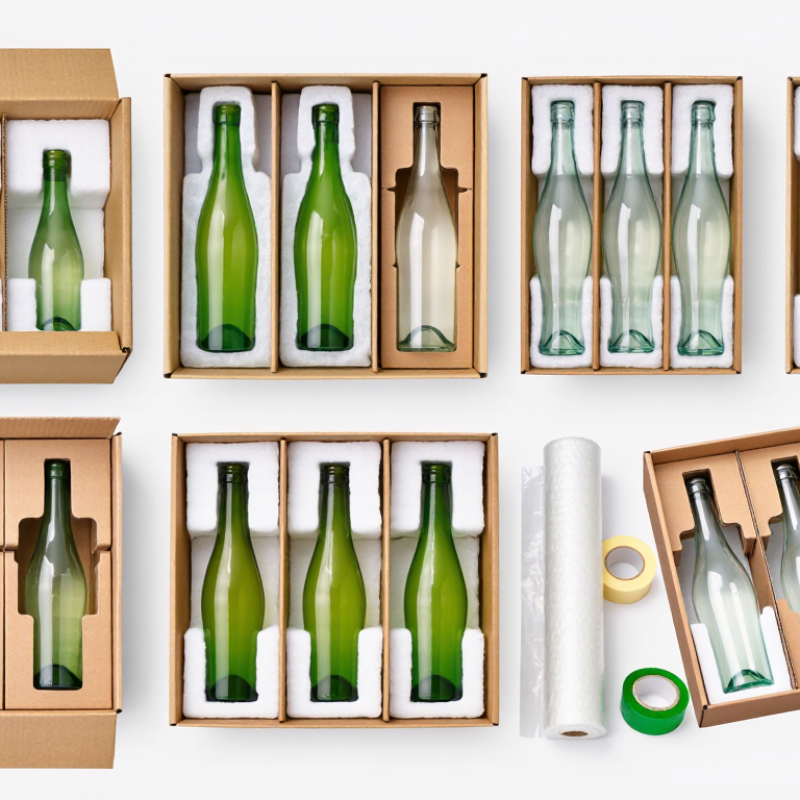
Choose a new, rigid corrugated box with enough room for cushioning on every side. A snug fit matters, but bottles should never touch each other or the box walls. Wrap each bottle separately in cushioning material, then place it in a fitted divider or cell partition. Fill gaps with paper or other suitable void fill so the contents cannot shift when the box is gently shaken. A box may look sturdy and still fail if its corners are crushed or its flaps are weak. Reused boxes can be a poor choice; inspect them carefully.
The International Safe Transit Association’s 3A procedure covers parcel packages weighing up to 70 kg (150 lb) and evaluates hazards such as drops, vibration, and compression. This is a useful reminder that a shipment may face more than one impact in transit. Select a box appropriate for the packed weight, and use strong packing tape across all seams. For several bottles, use partitions that keep each one separated and supported from the base upward. Test the packed box with a careful tilt. If anything shifts, add protection before sealing.
Tips: Put cushioning beneath the bottles, not just around them. Keep packing materials dry, and avoid leaving empty corners. A small test shipment can reveal weak spots, though it will not recreate every transit condition.
China Top Guide How to Pack Glass Bottles for Safe Shipping - Gather Protective Materials and a Suitable Shipping Box
| Packing Dimension |
Recommended Material or Specification |
Purpose and Packing Check |
| Shipping box |
Use a new, sturdy corrugated cardboard box sized to leave room for cushioning on every side. |
Choose a box that is not crushed, damp, or weakened. A snug fit helps limit movement without compressing the bottles. |
| Bottle separation |
Use a fitted corrugated divider or individual bottle cells when shipping multiple bottles. |
Keep glass surfaces from touching one another and prevent bottles from shifting into adjacent cells. |
| Bottle wrapping |
Wrap each bottle separately with bubble wrap or cushioning foam; secure the wrap with tape. |
Cover the body and shoulder, and add protection around the neck and base, which can be vulnerable to impact. |
| Leak protection |
Close the cap securely and place each bottle in a sealed plastic bag. Add absorbent material when the contents are liquid. |
This provides a secondary barrier if a closure leaks; it does not replace secure bottle packaging. |
| Cushioning |
Use cushioning material such as foam, molded pulp, or crumpled packing paper to fill spaces around the bottles. |
Fill gaps so the contents remain stable when the closed box is gently moved. Avoid loose fill that can settle and leave empty spaces. |
| Double boxing |
For fragile or valuable shipments, place the packed inner box inside a larger corrugated box with cushioning between the boxes. |
Keep the inner box centered and ensure the outer box has protective material on all sides. |
| Box closure |
Seal all box seams with packing tape using the H-taping method. |
Tape the center seam and the two edge seams on both the top and bottom panels. |
| Final movement check |
After sealing, gently tilt and move the box to check for internal movement. |
If bottles shift or clink, reopen the box and add or adjust dividers and cushioning before shipping. |
Prepare Each Bottle to Prevent Leaks and Breakage
Start with a clean, completely dry bottle. Check the glass for chips or hairline cracks, especially around the base and neck. A damaged bottle should not be packed for shipping. Tighten the closure gently, then place the bottle in a leak-resistant bag with absorbent material. The bag helps contain spills; it cannot fix a poor seal.
Wrap each bottle separately, covering the base and neck with cushioning. Use enough padding to prevent glass from touching glass or the box walls. Keep it upright if the package allows, but do not rely on orientation alone. Small gaps matter. Add fitted dividers or cushioning between bottles, then fill empty spaces so nothing shifts when the box is moved. Avoid packing so tightly that pressure bears directly on the glass.
Choose a sturdy outer box with room for protective material on every side. Close it and gently tilt or shake it; movement inside means more cushioning is needed. I once assumed a snug wrap was enough, but a loose cap still leaked. Check the closure and the fit again before sealing the package. No packing method can guarantee against rough handling.
Cushion and Arrange Bottles Securely in the Box
Wrap each bottle separately, including its neck and base. Use a snug, resilient layer, such as formed paper or foam, then place bottles in individual cells or sturdy dividers. No glass should touch. Keep heavier bottles upright when their shape allows, and leave cushioning between the dividers and every box wall. A loose neck can strike the carton during vibration, even when the base seems well protected.
ISTA Procedure 3A covers parcel shipments of packaged products weighing up to 70 kg (150 lb) and evaluates hazards such as drops and vibration. This is a test scope, not a promise that any box will arrive intact. Fill gaps so bottles cannot shift, but avoid crushing the cushioning. Secure closures separately, and add a padded layer above the bottle tops. Test the fit. Gently move the closed carton; if you hear a clink or feel movement, reopen and adjust it. I still find this step easy to rush. A snug fit is useful, but too much pressure can also stress glass. Use a rigid, undamaged carton and seal its seams evenly.
How to Pack Glass Bottles for Safe Shipping
Example cushioning measurements for a sample packing layout. Use snug dividers to keep bottles separated, and adjust cushioning to the bottle size, box strength, and shipping requirements.
The measurements shown are a practical example, not a universal shipping standard. Bottles should not touch one another or the box walls, and the contents should not shift when the box is gently moved.
Seal, Label, and Inspect the Package Before Shipping
After wrapping each glass bottle, close the inner carton with pressure-sensitive packing tape across every seam. Use a clean, dry surface so dust or moisture does not weaken the bond. For heavier parcels, reinforce the bottom seam with an H-pattern. Do not rely on a single strip. Place the sealed carton inside a larger box, cushioning all sides and keeping bottles from touching each other. A gentle shake should reveal no movement. It is a simple check, but easy to rush.
Label the outer box clearly with the destination and return address. Add “Fragile” and “This Side Up” where they can be seen, but treat these as handling cues, not guarantees. The International Safe Transit Association’s 3A procedure evaluates parcel packages through hazards such as drops and vibration; its scope covers packages up to 70 kg. That is a useful reminder that normal shipping involves more than one bump. Inspect every corner, seam, and label before dispatch. Photograph the closed package and record its weight if the shipment is valuable. The U.S. EPA’s 2018 materials report estimated that glass containers and packaging generated 12.3 million tons of waste, with a 25% recycling rate. It does not measure shipping breakage, so it cannot predict a parcel’s risk. Still, preventing avoidable damage matters. I sometimes find labels placed too close to tape; they can peel, and that detail deserves another look.
Conclusion
Safe shipping starts with assessing each bottle’s size, shape, material, and fragility, along with the distance and conditions it may encounter in transit. Choose a strong box that fits the shipment and gather suitable cushioning materials, such as dividers, padding, and absorbent wrap. Before packing, make sure each bottle is clean and dry, close its cap securely, and wrap it individually to reduce the risk of leaks, scratches, and breakage.
How to pack glass bottles for safe transportation also depends on keeping them from shifting or touching one another. Arrange wrapped bottles upright when appropriate, fill empty spaces with cushioning, and add protection around the top and bottom of the box. Seal the package securely, mark it as fragile where appropriate, and inspect it for gaps, loose contents, or weak seams before shipping.

 Bogart Glass