As the demand for custom glass bottles continues to rise, many industry professionals are left wondering, "What factors affect the price of custom glass bottles?" According to industry expert Emily Zhang, "The price is influenced by material quality, design complexity, and order volume." Understanding these elements can lead to better budget planning and strategic purchasing decisions.
Material choice is critical. Different types of glass or silicone coatings can significantly change costs. Moreover, the complexity of the design can escalate prices. Intricate shapes or unique finishes require higher labor inputs and specialized machinery. This complexity often leads to increased wait times and potential logistical challenges.
Additionally, order volume plays a pivotal role. Larger orders generally benefit from economies of scale, leading to lower unit prices. However, smaller orders might incur higher per-unit costs due to setup fees. The interplay of these factors is essential for buyers to grasp in a competitive market. Understanding them can provide a clearer picture of potential expenditures and help ensure that custom glass solutions fit within budgetary constraints.
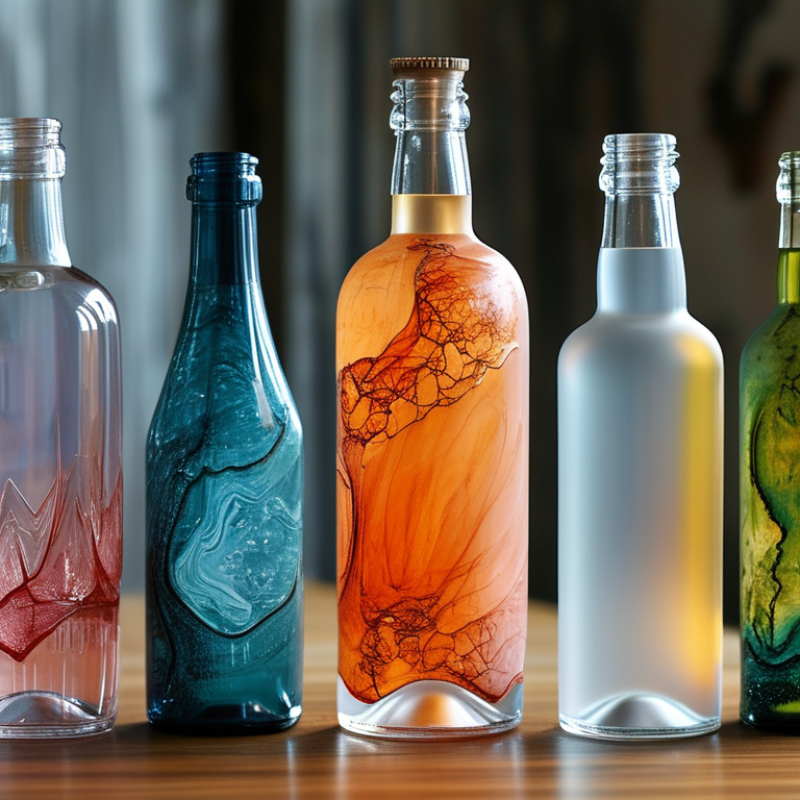
The cost of raw materials significantly impacts the prices of custom glass bottles. In 2026, factors such as silica sand and soda ash costs will play a critical role. Industry reports suggest that silica sand accounts for about 70% of glass production costs. Prices for silica sand have been volatile due to mining restrictions in some regions.
Soda ash, another essential ingredient, has seen fluctuating prices as well. Data indicates that global demand for soda ash is increasing, driven by the construction and automotive industries. In 2025, the average price was projected to rise by 15%, and this trend may continue into 2026.
Recycled glass usage is also an important factor. Incorporating recycled materials can lower production costs, but availability varies regionally. Some manufacturers may struggle with supply chain issues, impacting overall pricing. This unpredictability could ultimately affect the custom glass bottle market, raising questions about cost management strategies for producers.
In 2026, the intricate relationship between manufacturing technologies and custom glass bottle pricing will shape the industry landscape. Advances in production methods, such as automated glass blowing and computer-aided design (CAD), have significantly improved efficiency. A recent report by MarketsandMarkets estimates a potential reduction of up to 15% in production costs with these technologies. This allows manufacturers to create customized bottles at competitive prices.
Moreover, the incorporation of eco-friendly materials will influence pricing strategies. Over 75% of consumers prefer sustainable packaging. Manufacturers who adopt recyclable materials may see an increase in demand, but initial costs might rise. This dichotomy necessitates careful financial planning. While sustainable practices may lead to higher upfront investment, long-term savings in raw materials can balance the scales.
However, these advancements aren't without their challenges. Companies must invest in employee training and technology upgrades, which can strain resources. As companies grapple with these factors, understanding the nuances of glass production technology will remain essential. Balancing costs and sustainability will be a pivotal task for many.
When considering custom glass bottle prices in 2026, design complexity plays a key role. Intricate designs often require advanced techniques and additional resources. For example, a bottle with unique shapes, embossing, or intricate color patterns tends to be more expensive. Each design variation introduces a new layer of manufacturing challenges.
The choice of materials also influences costs. Premium glass types can elevate the overall price. Sourcing these materials may involve higher expenses, especially if they are eco-friendly. Moreover, custom molds for complex designs can be costly and time-consuming to produce. These factors cumulatively increase production costs, impacting retail prices.
Companies need to balance creativity with budget constraints. Simple designs are often more cost-effective but may not stand out on shelves. Ultimately, designers must reflect on their approaches. Are complex designs worth the added cost? The decision should blend aesthetics with practicality. In this evolving market, understanding the relationship between design complexity and pricing is crucial for success.
| Design Complexity Level | Estimated Cost ($) | Production Time (days) | Material Type | Customization Features |
|---|---|---|---|---|
| Low | $5.00 | 7 | Standard Glass | Basic Color Printing |
| Medium | $10.00 | 14 | Recycled Glass | Silk Screen Printing |
| High | $15.00 | 21 | Specialty Glass | Etching & Custom Shapes |
| Very High | $25.00 | 30 | Borosilicate Glass | Multi-color Printing & Custom Labels |
In 2026, the pricing of custom glass bottles will reflect various market demand trends. These trends significantly shape how companies set their prices. For instance, an increasing focus on eco-friendly packaging is driving up demand for recycled glass bottles. This shift influences manufacturers to adjust their pricing based on material availability and production costs.
Additionally, consumer preferences play a crucial role. Many buyers now seek unique, personalized designs. This demand for customization can lead to higher prices due to the additional labor and technology involved in production. However, rising costs may also challenge manufacturers, as they balance quality and affordability. This dilemma requires thoughtful examination of market conditions.
Ultimately, external factors such as supply chain disruptions and economic fluctuations can also affect glass bottle pricing. Companies must remain agile in response to these changes. Investing in sustainable practices can enhance brand loyalty, but the challenge lies in navigating fluctuating demands while maintaining profitability. As the market evolves, understanding these dynamics will be key for industry players.
Sustainability has become a cornerstone in glass bottle production. As of 2026, companies are increasingly adopting eco-friendly practices to reduce their carbon footprint. The use of recycled materials is a key factor. Reports indicate that incorporating recycled glass can lower production costs by 20% and significantly minimize energy consumption. More manufacturers are expected to switch to sustainable sourcing due to the rising consumer demand for green products.
However, not all practices are equally beneficial. While some companies might opt for cheaper raw materials, they could undermine quality. A recent analysis found that 30% of businesses faced issues with compromised product durability, leading to increased waste. This highlights the need for a balance between cost and sustainability.
Furthermore, innovations in production technologies can impact pricing. Advanced methods that require less energy and are less polluting can initially seem costly. Yet, they can offer long-term savings and enhance market competitiveness. According to industry experts, up to 40% of manufacturers expect these technologies to drive down expenses over the next five years.
: Advances in technologies may reduce costs by up to 15%, improving efficiency and competitiveness.
Using sustainable materials may raise initial costs, but long-term savings can balance out those expenses.
A trend toward eco-friendly packaging has increased demand for recycled bottles, influencing pricing strategies.
Many consumers want personalized designs, which can raise production costs due to added labor and technology.
Supply chain disruptions and economic fluctuations can cause manufacturers to adjust prices and strategies.
Investing in sustainable practices can enhance loyalty, but balancing cost and quality is essential for profitability.
Some may choose cheaper materials but risk compromising quality, leading to more waste and durability issues.
Companies must train staff on new technology, which can strain resources and impact overall efficiency.
Advanced technologies can seem costly initially but may lead to long-term savings and competitive advantages.
In 2026, multiple factors influence the pricing of custom glass bottles. One of the primary considerations is the cost of raw materials, which can fluctuate based on market availability and sourcing challenges. Additionally, advancements in manufacturing technologies play a significant role in determining overall production costs, potentially altering the final price for consumers.
Design complexity is another critical factor; intricate designs often require more time and resources, thus impacting the price of custom glass bottles. Furthermore, market demand trends can significantly alter pricing structures, as increasing consumer preference for bespoke products could drive costs up. Lastly, sustainability practices have gained prominence, with companies increasingly investing in eco-friendly production methods, which may affect economic viability and pricing strategies. Overall, understanding what factors affect the price of custom glass bottles is essential for both producers and consumers navigating this evolving market landscape.

Bogart Glass