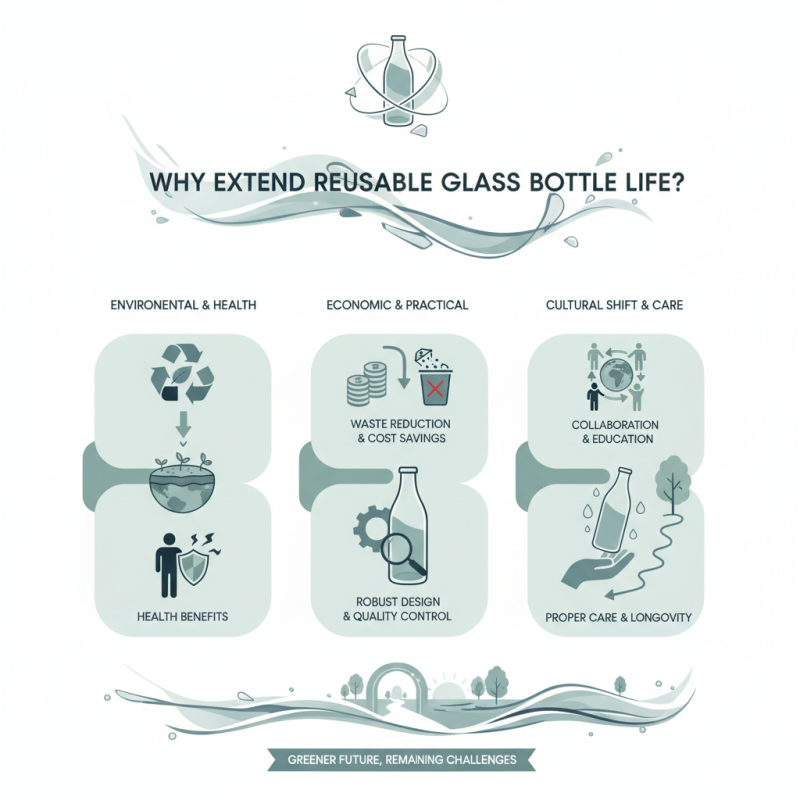
The push to extend service life and durability of reusable glass bottles has become increasingly relevant. As environmental awareness grows, consumers seek sustainable alternatives to single-use plastics. Reusable glass bottles present a solution. They are not only eco-friendly, but they also offer health benefits against plastic leaching. Yet, the advantages of glass bottles depend heavily on their longevity.
To truly embrace the potential of reusable glass bottles, we must focus on enhancing their durability. Ensuring these bottles withstand regular use can reduce waste and lower costs. However, some manufacturers may overlook the quality of materials. This can lead to premature breakage and decreased user satisfaction. By prioritizing robust design and quality control, we can maximize their lifespan.
Moreover, the cultural shift toward sustainability requires collaboration among producers, retailers, and consumers. Education on proper care is essential. It can decrease the likelihood of accidents and enhance the overall user experience. Every effort made in extending service life and durability of reusable glass bottles contributes to a greener future. Yet, significant challenges remain in achieving this goal effectively.
The durability of reusable glass bottles plays a crucial role in sustainable consumer habits. According to a report by the Glass Packaging Institute, glass can be recycled endlessly without loss of quality. Given that glass bottles can replace thousands of plastic ones, extending their service life is significant for reducing waste. Every year, over 300 million tons of plastic are produced. The shift toward glass is vital in combating this environmental challenge.
Long-lasting glass bottles have other benefits. They are better at preserving beverages' taste and quality. A study published in the Journal of Cleaner Production shows that consumers prefer glass containers for their ability to keep drinks fresh longer. This preference can drive bulk purchasing distributions, further diminishing plastic usage.
Tips for enhancing the service life of glass bottles:
Maximizing the lifespan of these bottles not only promotes sustainability but also fosters economically-sound practices.
: They reduce plastic use and can replace thousands of plastic bottles, helping lower environmental waste.
Glass can be recycled endlessly without quality loss, saving energy and minimizing waste each time it's recycled.
Clean with mild soap, air dry, store in a cool place, and regularly inspect for wear.
Yes, glass keeps drinks fresh longer, which consumers prefer for taste and quality.
Refilling glass bottles lowers energy use compared to producing new plastic, decreasing pollution significantly.
While glass may break, advancements are making it more durable. Careful handling can help prevent accidents.
Regularly check your bottles and replace them if they are damaged. It's important for safe use.
It encourages sustainable living and protects our environment for future generations, reflecting conscious consumer choices.
Glass is heavier but provides better protection for beverages, often using less energy during transport.
Careful handling and proper practices maximize their life and reinforce sustainable behaviors in the community.
The article "Why Extend the Service Life and Durability of Reusable Glass Bottles?" emphasizes the significance of improving the longevity of glass bottles for both environmental and economic reasons. By extending the service life and durability of reusable glass bottles, we can reduce waste and minimize the environmental impact associated with single-use plastics. Durable glass bottles not only contribute to sustainability but also enhance consumer health and safety by ensuring that no harmful chemicals leach into beverages.
Moreover, long-lasting glass containers offer economic advantages by decreasing the need for frequent replacements, thereby saving consumers money in the long run. The article highlights innovations in glass bottle design that promote greater durability, enabling these products to withstand everyday use while maintaining their aesthetic appeal. Ultimately, the extended service life and durability of reusable glass bottles can lead to a more sustainable future, benefiting both consumers and the planet.

 Bogart Glass