In today's competitive market, businesses face the challenge of standing out. One key strategy to achieve this is to enhance customization flexibility for branding and labeling. Custom branding goes beyond mere aesthetics; it creates a unique identity that resonates with consumers. Brands that adapt to customer preferences gain an advantage.
Flexibility in customization allows businesses to cater to diverse demographics and preferences. It can reflect cultural nuances or seasonal trends effectively. Companies must invest in technology and skilled personnel to facilitate this. This investment is not without its challenges, as balancing quality and speed can be difficult.
Moreover, customization requires ongoing evaluation and adaptation. Staying attuned to evolving consumer expectations is vital. Brands can benefit from feedback loops, seeking input from their audience. Emphasizing agility means being prepared to pivot strategies quickly. Doing so can lead to enhanced brand loyalty and increased market share.
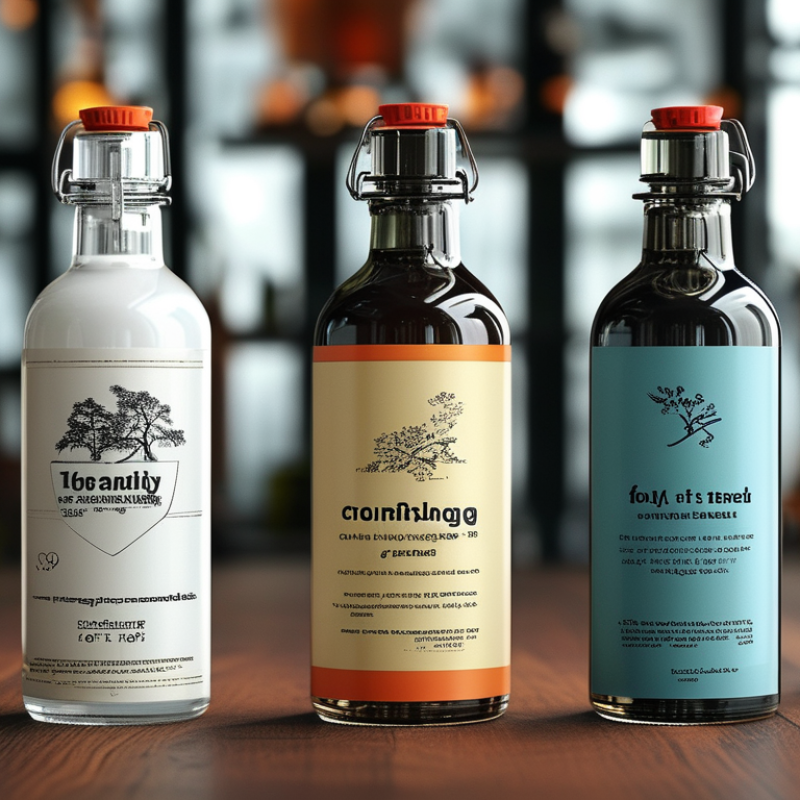
Customization plays a crucial role in branding and labeling. It allows businesses to create a unique identity. According to a study from Deloitte, 36% of consumers express a willingness to pay more for personalized products. This indicates a clear demand for custom options. Brands failing to offer this flexibility risk losing customers. A tailored approach reinforces customer loyalty, making them feel valued.
Tips for enhancing customization include leveraging technology. Investing in digital solutions or software can improve the design process. Automation tools can accelerate the production of custom labels with precision. Additionally, consider customer feedback continuously. This can provide valuable insights into market preferences and emerging trends. Often, what seems like a simple custom design can make a significant impact on consumer perception.
It’s important to remain adaptable. Trends in branding and labeling shift rapidly. A static approach can result in missed opportunities. Understand that not every customization effort will resonate. Some may require reassessment or further refinement. Regularly evaluate what works and what does not. Engaging with a community of industry experts can provide fresh perspectives and mitigate risks.
Customization flexibility in branding and labeling is crucial for businesses. Brands must adapt to customer needs and market trends. This requires an understanding of various key factors that influence customization.
One essential factor is technology. Advanced printing methods allow for quick changes in designs. Digital platforms enable instant updates, making customization more accessible. However, not all businesses utilize these technologies efficiently. Some struggle with implementation, leading to lost opportunities. Investing in reliable technology can greatly enhance customization capabilities.
Another important aspect is customer feedback. Listening to customer preferences helps brands tailor their offerings. Engaging with customers through surveys or social media provides insights into their needs. Yet, many companies overlook this valuable input. They often assume what customers want without direct communication. Creating a feedback loop can bridge this gap and foster better customization solutions.
Customization is a vital element in branding and labeling. With the right tools, brands can stand out. Exploring innovative technologies enhances customization flexibility. Digital printing technology is a key player here. It allows brands to create unique labels quickly and efficiently. Variable data printing is also crucial. It enables personalized marketing campaigns, fostering customer engagement.
Tips: Consider using cloud-based design tools. They allow multiple team members to collaborate in real time. Streamlining your design processes can save time and reduce errors.
Next, sustainability should not be overlooked. Eco-friendly materials for labels are becoming more popular. They resonate with consumers who value environmental responsibility. Brands should reflect on their material choices and their impact. There are many options now available that do not compromise quality.
Investing in data analytics tools is essential. Understanding consumer preferences can drive customization efforts. Collecting feedback helps brands adapt their strategies effectively. However, balancing innovation with consistency is challenging. A brand must maintain its core identity while evolving.
Label customization is crucial for effective branding. Many brands struggle with flexibility in their labeling process. They often rely on standard designs which limit their uniqueness. To truly stand out, companies must embrace innovative customization strategies. This approach allows for a diverse range of colors, materials, and designs that align with their brand identity.
Understanding customer preferences can significantly influence label customization. Brands should gather feedback regularly. This practice can reveal insights into desired aesthetics and functionality. Engaging with customers helps refine designs. However, it’s common for brands to overlook this aspect, resulting in inconsistent branding. Creating distinct labels often requires experimentation. Companies may find that their ideal designs don’t resonate with their target audience.
Technology plays a key role in enhancing customization. Digital printing techniques allow for rapid iterations and adjustments. This flexibility can reduce lead times for production. Nevertheless, relying solely on technology without human insight can be problematic. It’s essential to balance automation with creative human input. Missteps in this area can lead to generic labels that fail to capture attention.
| Aspect | Best Practices | Customization Tools | Recommended Technologies | Potential Challenges |
|---|---|---|---|---|
| Design Flexibility | Utilize modular design elements | Graphic Design Software | AI Design Tools | Complex Integration |
| Material Variety | Experiment with eco-friendly materials | Material Sourcing Platforms | Sustainable Material Databases | Pricing Volatility |
| Color Management | Implement color consistency checks | Color Matching Tools | Color Profiles and Calibration Software | Print Variability |
| Label Size Options | Offer customizable label dimensions | Label Design Suite | Dynamic Sizing Algorithms | Customer Preferences |
| Production Efficiency | Optimize workflow processes | ERP Systems | Automation Technology | Initial Setup Costs |
Customization plays a crucial role in shaping brand perception. When brands offer tailored products, consumers often feel a stronger emotional connection. This connection can enhance loyalty and encourage repeat purchases. For instance, a customer choosing unique colors or designs for a product may be more likely to associate that product with personal identity.
However, the impact of customization is not always positive. Too many options can overwhelm consumers, leading to indecision or frustration. Simplifying choices is essential. Brands must find a balance between offering personalization and maintaining clarity. Data shows that excessive choices can decrease satisfaction and potentially harm sales.
Understanding consumer preferences is vital. Brands could conduct surveys or use analytics to gauge customer desires. This insight helps in refining options and improving the customer experience. Customization must be seamless and enhance the buyer’s journey rather than complicate it. By addressing these nuances, brands can successfully leverage customization to positively impact their perception and sales.
: Customization creates unique brand identities and builds customer loyalty.
Technology helps improve design and accelerates production through automation tools.
A study shows that 36% of consumers prefer personalized options.
Regular customer feedback can reveal aesthetic and functional desires.
Branding trends change quickly; rigidity can lead to missed opportunities.
Many overlook customer feedback, causing branding inconsistencies and dissatisfaction.
Relying too much on technology alone may produce generic and unappealing designs.
Regular assessments can help identify successful designs and areas needing refinement.
Not every design will resonate; some may require further adjustments.
It offers fresh perspectives and helps mitigate risks associated with branding.
Enhancing customization flexibility for branding and labeling is crucial in today's competitive market. Understanding the significance of customization allows businesses to create unique and tailored experiences that resonate with their target audience. Key factors such as consumer preferences, market trends, and technological advancements play a pivotal role in enabling brands to adapt and customize their offerings effectively.
To achieve this, brands can leverage various tools and technologies that streamline the customization process, from design software to production techniques. Implementing best practices ensures that label customization meets both aesthetic and functional requirements, while measuring the impact of these efforts on brand perception and sales provides insights into their effectiveness. By focusing on these strategies, companies can successfully enhance customization flexibility, strengthening their brand identity and driving customer engagement.

Bogart Glass