Enhance Chemical Resistance for Storing Cosmetics and Oils?

Time:2026-05-01 Author:Isabella
0%

As the demand for high-quality cosmetics and essential oils continues to rise, proper storage becomes critical. One vital factor in this process is the ability to enhance chemical resistance for cosmetic and essential oil storage. Choosing the right materials and containers significantly impacts the longevity and effectiveness of these products.

Many brands overlook the importance of chemical resistance when selecting storage solutions. This oversight can lead to degradation of the essential properties of the oils and cosmetics, affecting their effectiveness. For example, certain plastics can easily interact with the compounds, leading to contamination. Understanding these interactions is essential for brands aiming for product integrity.

Investing in appropriate storage solutions can be a game-changer. High-quality glass or specially coated materials offer enhanced protection. However, innovation in storage technology is still evolving, leaving room for improvement. Brands must stay informed and critical when selecting their storage options, ensuring they prioritize chemical resistance for cosmetic and essential oil storage.
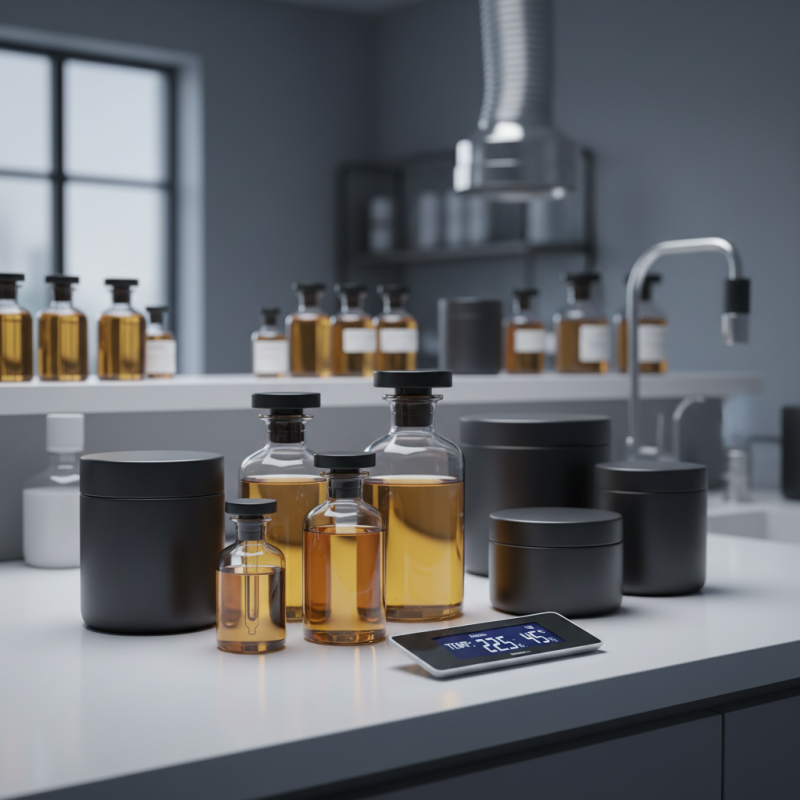
Enhance Chemical Resistance for Storing Cosmetics and Oils?

Enhancing Chemical Resistance in Cosmetic Storage Materials

When considering cosmetic storage, chemical resistance is vital. Many formulations, including oils, contain active ingredients that can react with certain materials. For instance, plastic containers may degrade over time, releasing harmful substances. This is why choosing the right materials is essential for maintaining product integrity.

Innovative alternatives are emerging in the industry. Using glass or high-density polyethylene can enhance resistance to chemicals. These materials are less likely to react with internal contents. However, cost and weight can be concerns for manufacturers. Balancing quality and affordability presents a challenge.

The storage environment also plays a role. Temperature fluctuations can cause stress on containers. High heat and humidity may weaken materials not designed for such conditions. Therefore, understanding the limitations of each option is crucial. Steps can be taken to improve safety and longevity, but constant evaluation is necessary. Finding the right balance is not a straightforward task, but it is essential for ensuring product effectiveness.

Factors Influencing Chemical Stability of Oils and Cosmetics

When storing cosmetics and oils, chemical stability is crucial. Many factors affect this stability, including packaging materials, temperature, and light exposure. For instance, certain plastics can react with the formulation, leading to contamination. Glass containers are often preferable. They are inert and do not leach chemicals.

Temperature variations can also degrade formulations. High heat may cause oils to oxidize, while extreme cold can alter textures. It’s vital to keep products in a stable environment, away from direct sunlight. Not all oils are created equal; some have a shorter shelf life due to their composition.

Tips for Storage:
Choose dark or opaque containers to shield products from light. Always check the expiration dates and avoid using products past their prime. Store oils in a cool, dry place and use them promptly to maintain quality. Pay attention to changes in color, texture, or odor—these can indicate spoilage.

Industry Standards for Chemical Resistance in Cosmetic Packaging

Cosmetic packaging must meet high industry standards for chemical resistance. This ensures that products maintain their quality throughout their shelf life. According to a recent report from the Cosmetic Packaging Association, nearly 30% of cosmetic products experience degradation due to inadequate packaging. This highlights the critical need for enhanced chemical resistance.

Many packaging materials, such as certain plastics and glass, vary in their ability to resist chemical interactions. For instance, polyethylene is commonly used, but it can react with some oils and fragrances, altering their properties. A study published in the Journal of Cosmetic Science found that over 40% of oil-based products experienced significant changes when stored in non-resistant packaging.

Implementing advanced materials that offer superior chemical resistance is essential. New formulations of epoxy and advanced polymers show promise in overcoming these challenges. However, achieving the right balance between durability and cost remains a complex task. Manufacturers must continually assess the long-term effects of packaging materials on product integrity.

Chemical Resistance in Cosmetic Packaging

This bar chart illustrates the chemical resistance ratings of various packaging materials used in the cosmetics industry. A higher rating indicates better resistance to various chemicals encountered during storage and use.

Comparative Analysis of Materials for Chemical Resistance in Storage

When selecting materials for storing cosmetics and oils, chemical resistance is critical. Various materials exhibit different levels of resistance to chemical interactions. For instance, glass containers are often praised for their excellent resistance. They do not react with products, ensuring the integrity of the stored items. However, glass is fragile and may not be suitable for all scenarios.

On the other hand, certain plastics offer good chemical resistance while being lightweight and unbreakable. Polyethylene and polypropylene are commonly used for cosmetic storage. They are robust and can withstand exposure to various substances. Yet, over time, some plastics may degrade, potentially compromising the quality of the stored products.

Another option is stainless steel, known for its durability and resistance to corrosion. Stainless steel containers remain stable in diverse environments. They are ideal for long-term storage, but their cost can be a deterrent for some manufacturers. Ultimately, the choice of material requires careful consideration of both chemical resistance and practical aspects like cost, durability, and product longevity.

Future Trends in Chemical-Resistant Materials for Cosmetic Applications

The beauty industry is rapidly evolving, and so are the materials used in packaging. Cosmetic products and oils often contain aggressive chemicals that can degrade packaging materials. Research indicates that improper packaging can lead to product spoilage, resulting in significant financial losses. According to a report by Smithers Pira, nearly 16% of cosmetic products are rejected yearly due to poor packaging performance.

Future trends suggest a shift toward innovative chemical-resistant materials. Bioplastics and high-performance polymers are gaining traction. These materials offer better resistance to various chemicals while remaining eco-friendly. A 2022 study highlighted that bioplastics could reduce environmental impact by up to 30%. However, the development of these materials is not without its challenges. They may not always provide the desired durability or barrier properties, raising questions about their long-term viability.

Moreover, consumers are becoming more discerning. They prefer sustainable options but also expect durability. This creates a paradox where companies require materials that are both environmentally friendly and chemically robust. Ongoing research is crucial. Developers must balance performance with sustainability. This evolving landscape presents opportunities and challenges for the cosmetic industry, inviting continuous innovation.

Enhance Chemical Resistance for Storing Cosmetics and Oils? - Future Trends in Chemical-Resistant Materials for Cosmetic Applications

Material Type Chemical Resistance Level Applications Future Trends
Polyethylene (PE) High Packaging for creams and oils Increased recyclability and biodegradability
Polypropylene (PP) Moderate Containers for shampoos and conditioners Smart packaging technology integration
Glass Very High High-end skincare products Innovative textures and designs for aesthetic appeal
Silicone High Applicators and flexible packaging Sustainable sourcing and production methods
Acrylic Moderate Display cases for products Enhanced thermal and UV stability

FAQS

: Why is chemical resistance important in cosmetic packaging?

: Chemical resistance ensures product quality during its shelf life. Poor packaging can lead to degradation.

What percentage of cosmetic products suffer from packaging issues?

Nearly 30% of cosmetic products experience degradation due to inadequate packaging.

Which materials are commonly used for cosmetic packaging?

Common materials include polyethylene, polypropylene, glass, and stainless steel.

How does polyethylene react with certain products?

Polyethylene can react with oils and fragrances, altering their properties.

What are the advantages of using glass containers?

Glass containers have excellent resistance to chemical interactions but are fragile.

Are there any concerns with using plastics for cosmetic storage?

Some plastics may degrade over time, potentially compromising product quality.

What emerging materials are trending in cosmetic packaging?

Bioplastics and high-performance polymers are gaining traction for their chemical resistance.

What challenges do bioplastics face in cosmetic applications?

Bioplastics may lack desired durability or barrier properties, raising concerns.

How do consumers influence packaging choices in cosmetics?

Consumers prefer sustainable materials but also expect durability and reliability.

Why is ongoing research vital in cosmetic packaging?

Research is needed to balance performance, sustainability, and evolving consumer expectations.

Conclusion

The article titled "Enhance Chemical Resistance for Storing Cosmetics and Oils" delves into the critical aspects of improving the durability and longevity of cosmetic and essential oil storage solutions. It explores various methods to enhance chemical resistance in cosmetic storage materials, emphasizing the importance of understanding factors that influence the chemical stability of these products. Industry standards play a significant role in ensuring effective chemical resistance in packaging, which is essential for maintaining the integrity of cosmetics and oils.

A comparative analysis of materials showcases their varying degrees of chemical resistance, guiding manufacturers towards optimal choices for storage solutions. Additionally, the article discusses future trends in the development of innovative chemical-resistant materials for cosmetic applications, positioning the industry for advancements in sustainability and performance. Overall, the content reinforces the necessity to enhance chemical resistance for cosmetic and essential oil storage to safeguard product quality and consumer safety.

Isabella

Isabella

Isabella is a dedicated marketing professional with a sharp focus on driving brand growth and engagement through strategic content creation. With an extensive background in digital marketing, she combines her passion for storytelling with her keen understanding of industry trends to deliver......