Customizing glass bottles with logos and design can significantly enhance your brand's presence. Knowing how to customize glass bottles with logo and design is essential for businesses looking to stand out. By blending creativity with strategy, brands can create memorable products that resonate with customers.
There are various methods available for customization. Techniques range from screen printing to etching, each providing a unique look and feel. Additionally, selecting the right color scheme is crucial for brand recognition. Using vibrant colors can capture attention, while subtle tones may convey sophistication.
However, achieving perfection in design is challenging. Sometimes, the initial vision does not translate well onto glass. Materials and techniques may not always align with expectations. It’s essential to embrace these imperfections and learn from them. Each customization project offers valuable insights that can improve future endeavors.
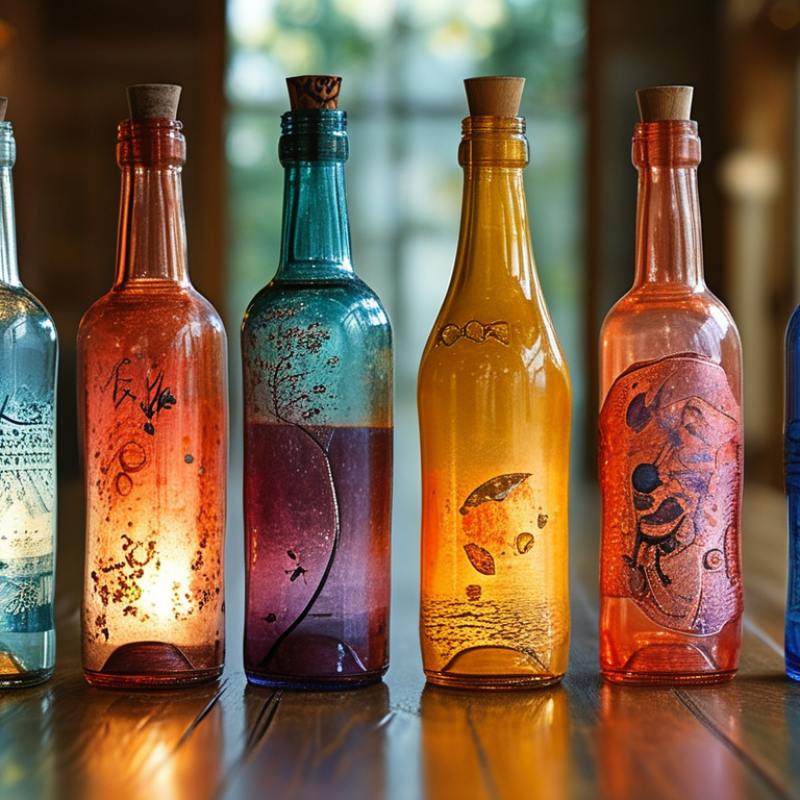
When choosing the right glass bottle for customization, several factors come into play. The material, size, and shape of the bottle can significantly impact its effectiveness for branding. Data from a recent industry report indicates that 70% of consumers prefer glass packaging for its aesthetic appeal and sustainability. This preference underscores the importance of selecting a bottle that not only looks good but also aligns with your brand values.
The type of glass used in production also matters. Different types of glass, such as soda-lime or borosilicate, have distinct properties. Soda-lime glass is ideal for everyday use and can enhance the printed design while maintaining clarity. In contrast, borosilicate glass has higher durability and resistance to temperature changes. The choice should reflect your product's intended use. A survey shows 55% of buyers feel more confident in products housed in high-quality glass packaging.
Design complexity is another aspect to consider. Simple logos often fare better on glass bottles, as intricate details may distort when printed. Studies reveal that clear and bold designs increase consumer recognition. However, brands should also assess the limitations technology imposes on printing. Customization may occasionally result in colors appearing differently than intended. Balancing design ambition with practical printing capabilities is essential for creating effective glass bottle branding.
When it comes to customizing glass bottles with logos, understanding different printing techniques is crucial. Each method offers unique advantages and challenges. One popular technique is screen printing. This method allows for vibrant colors, making logos stand out. However, it may not be suitable for intricate designs. Detailed artwork can lose clarity with this approach.
Another technique is pad printing. This allows for more complex designs on uneven surfaces. The flexibility of pad printing makes it a great option for glass bottles. But keep in mind the setup costs can be higher. Direct-to-glass printing has emerged as a modern solution. It provides high-resolution images and is ideal for custom designs. On the downside, this method may lack durability compared to others.
Digital printing has revolutionized how we apply designs. It offers fast turnaround times, perfect for small batches. Yet, it often requires careful handling to avoid scratches. Each technique has its pros and cons, so it’s essential to evaluate them based on your needs. The right choice depends on factors like budget, design complexity, and desired durability. Understanding these nuances can significantly impact the final appearance of the custom glass bottles.
| Technique | Description | Pros | Cons | Ideal For |
|---|---|---|---|---|
| Screen Printing | A stencil technique that pushes ink through a screen onto the surface. | Vibrant colors, durable finish. | Not suitable for complex designs, longer setup time. | Bulk orders with simple designs. |
| Digital Printing | Directly prints using digital technology. | High-resolution images, no minimum order required. | May not be as durable as other methods. | Small runs, detailed artwork. |
| Etching | Uses a laser or acid to engrave the surface. | Permanent and elegant designs. | Higher cost for setup, not colorful. | High-end products, awards. |
| Labeling | Adhering printed labels onto the bottles. | Flexible design options, easy to change. | Labels can peel off, less durable. | Promotional products, events. |
| Sublimation | Transfer prints using heat and pressure. | Vibrant, full-color images that last. | Limited to coated surfaces. | Personalized gifts, unique designs. |
| Pad Printing | Uses a silicone pad to transfer ink onto the object. | Good for irregular surfaces. | Limited color range. | Intricate designs on non-flat bottles. |
| Shrink Sleeves | Labels that shrink to fit the bottle when heated. | Full coverage design, 360-degree printing. | Requires special equipment for application. | Creative packaging, marketing items. |
| Frosted Glass | Creates a semi-transparent finish on glass. | Elegant look, can be combined with other techniques. | More expensive process. | High-end branding, gifts. |
| Color Coating | Applies a colored layer over the bottle. | Wide array of colors, adds depth. | May require special handling. | Custom product styling. |
| In-Mold Labeling | Labels are placed in the mold during production. | Durable and integrated design. | Higher initial setup cost. | Branding for new products. |
Customizing glass bottles is an exciting opportunity to showcase unique designs. Incorporating color can dramatically affect the bottle's appearance. Vibrant hues attract attention and convey brand identity. Using gradients can add depth, while transparent colors create a modern touch. Experimenting with various color combinations can yield surprising results and elevate the design.
Texture also plays a vital role in customization. Adding a tactile element can enhance the user experience. Techniques like etching or sandblasting create intricate patterns. These methods invite customers to engage with the product on a sensory level. However, achieving the right texture requires careful consideration. It’s easy to overdo it, potentially resulting in a less appealing design.
Finishing touches, such as matte or glossy finishes, can complete the look. A matte finish offers a sophisticated vibe, while a glossy finish shines with vibrancy. Choosing the right finish should reflect the brand’s message. It's essential to test samples to ensure the final outcome meets expectations. Balancing creativity and practicality is key in this custom design process. Embracing imperfections can lead to unique creations that resonate with your audience.
When it comes to customizing glass bottles, selecting the right materials is crucial for creating durable branding. High-quality glass is often the preferred choice. It resists breakage and maintains the integrity of whatever it holds. Additionally, opting for eco-friendly materials can enhance brand image. These choices reflect a commitment to sustainability, which many consumers value today.
Another important factor is the type of finish applied to the glass. Frosted, frosted, or etched finishes not only enhance aesthetics but also increase grip. However, these processes can be costly and may require specialized equipment. It’s essential to consider production limitations and budget constraints when making these decisions.
Lastly, remember that the durability of your branding also depends on the printing techniques used. UV printing can withstand the test of time, but it may chip or fade under extreme conditions. Evaluating these options ensures that your branding resonates with consumers while remaining intact. Each detail matters in establishing a reliable brand identity.
Customizing glass bottles with logos and designs offers unique branding opportunities. To effectively market these customized products, start by understanding your target audience. Know their preferences and lifestyles. This helps to create designs that resonate with them. Use social media platforms to showcase your customized bottles. Eye-catching images and engaging content can attract potential customers. Consider using influencer partnerships to widen your reach.
Participating in local events can also boost visibility. Set up booths to display your glass bottles. Let potential customers see and touch them. Offer small samples or discounts for orders made at the event. Additionally, gather feedback from customers. Understanding what they like or dislike about your products is crucial. It shows that you value their opinions, fostering trust and loyalty. Identify areas for improvement to elevate your offerings further. Your journey in customizing glass bottles should not just aim for visuals. It should also focus on building connections.
: Screen printing is a popular technique for logos. It offers vibrant colors, making designs stand out. However, intricate details may lose clarity.
Pad printing accommodates complex designs on uneven surfaces. It is flexible and suitable for glass bottles. Setup costs can be high, though.
Direct-to-glass printing provides high-resolution images. It’s ideal for custom designs but may not be as durable as other methods.
Digital printing allows fast turnaround times. It's great for small batches, but designs require careful handling to avoid scratches.
Color dramatically affects the bottle’s appearance. Vibrant hues draw attention and can express brand identity effectively.
Texture adds a tactile element, improving user experience. Techniques like etching create patterns, but careful consideration is needed to avoid overdoing it.
Finishes like matte or glossy can complete the look of a bottle. The right finish should reflect the brand’s message and desired aesthetic.
Understand your target audience and their preferences. Use social media, influencer partnerships, and local events to showcase your products effectively.
Gathering feedback helps you understand likes and dislikes. It’s crucial for building trust and improving your offerings based on customer opinions.
Embracing imperfections can lead to unique creations. This approach helps products resonate more with the audience, enhancing their connection to the brand.
Customizing glass bottles with logos and designs is a fantastic way to enhance brand identity and engage customers. To effectively customize glass bottles, it’s essential to start with the right bottle choice that suits your branding needs. Different printing techniques, from screen printing to etching, play a crucial role in how your logo is presented and perceived. Additionally, incorporating unique designs with varying colors, textures, and finishes can further elevate the aesthetic appeal of your bottles.
Selecting durable materials ensures that the branding is long-lasting and practical for consumer use. Lastly, a strategic marketing approach can effectively promote your customized glass bottles, showcasing their unique design and functionality to a wider audience. By mastering these elements, you’ll be well-equipped to understand how to customize glass bottles with logo and design, creating memorable products that resonate with consumers.

Bogart Glass