Cleaning and sterilizing glass bottles is crucial for ensuring safety. Experts emphasize that proper procedures can prevent contamination. John Smith, a leading authority in food safety, states, “Proper hygiene fosters health and safety in our lives.”
When it comes to "How to clean and sterilize glass bottles properly," attention to detail is essential. Many overlook the importance of using hot water or suitable detergents. Rinsing alone often doesn’t eliminate harmful pathogens. Additionally, drying bottles thoroughly prevents moisture buildup, which can lead to mold.
Yet, not everyone executes these steps flawlessly. Some might rush the process, thinking that a quick rinse suffices. Others may stick to outdated methods that are ineffective today. Learning from these mistakes is vital. Engaging with the right practices not only enhances safety but also ensures the longevity of the bottles.
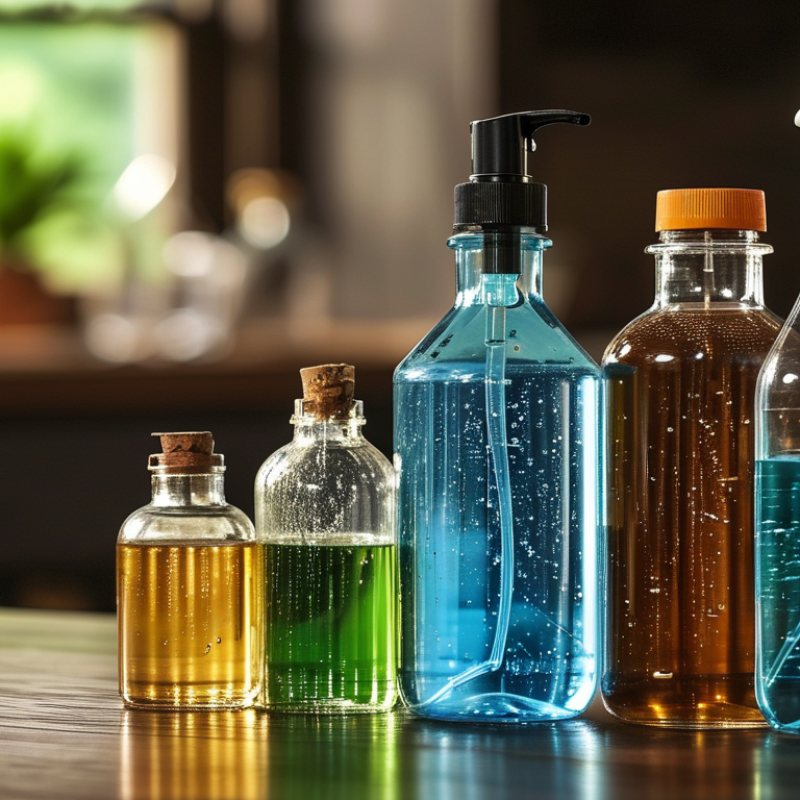
Cleaning and sterilizing glass bottles is crucial for ensuring safety. Many people underestimate the importance of cleaning techniques. A simple rinse may not be enough to remove harmful bacteria or residue. If not cleaned properly, these bottles can host pathogens that pose health risks. The ideal cleaning process involves using hot soapy water, followed by a thorough rinse. Using a bottle brush can help reach hidden corners and ensure effective cleaning.
After washing, sterilization is essential. Boiling water can effectively kill germs. However, not all bottles can withstand high temperatures. It's vital to understand each type of glass. Also, using chemical disinfectants requires careful reading of instructions. Overuse or incorrect application can lead to dangerous residues. Many times, we skip these steps due to impatience or lack of knowledge. This can result in serious health implications.
Proper cleaning techniques save lives. Ignoring them can lead to contamination. It's all about being diligent and informed. Anyone can make mistakes in cleaning, but addressing these issues matters. Reflecting on our methods is vital. Let’s aim for practices that promote safety and well-being.
| Aspect | Description | Importance |
|---|---|---|
| Cleaning Agents | Use of mild detergents or vinegar and baking soda for effective cleaning. | Prevents chemical residues that can leach into contents. |
| Sterilization Techniques | Boiling water, steam sterilizers, or chemical sterilizers. | Eliminates harmful bacteria and pathogens. |
| Drying Process | Air drying or using a clean cloth to avoid contamination. | Prevents mold growth and retains sterility. |
| Frequency of Cleaning | Regular cleaning after each use, especially for storage. | Ensures safety and longevity of the bottle. |
| Types of Bottles | Different bottles such as beverage, storage, or laboratory glassware. | Requires specific cleaning methods to ensure safety. |
Proper cleaning and sterilization of glass bottles is crucial for safety. Bacteria can grow in leftover residues. If not properly cleaned, these bacteria can contaminate liquids. This is especially concerning for food or drink storage. A simple rinse may not suffice.
Tips for effective sterilization:
Using the right techniques can greatly reduce the risk of bacterial growth. Consider using a clean cloth to dry the bottles. Avoid dusty surfaces. If you notice any unusual smells or residues, it may indicate improper cleaning. Always inspect your bottles before use.
Remember that even a small oversight can invite bacteria. Storage conditions also matter. Keep bottles in a cool, dry place. Avoid direct sunlight, which can degrade some materials. Regularly reassess your cleaning habits for effectiveness. Adjust as needed for the best results.
Ensuring compliance with industry standards is crucial for the safe usage of glass bottles. The FDA regulates materials for food and beverage packaging, promoting stringent hygiene measures. According to the National Sanitation Foundation (NSF), proper cleaning and sterilization of bottles can reduce bacterial contamination by up to 99%. This is essential for maintaining product integrity and consumer safety.
In many industries, including food and beverages, glass bottles must be regularly inspected and sanitized. A report from the Glass Packaging Institute highlights that improper cleaning can lead to mold growth and chemical leaching. It's alarming that nearly 15% of foodborne illness outbreaks are linked to contaminated packaging. These statistics underscore the importance of rigorous procedures for bottle cleaning and sterilization.
Best practices in the industry advocate for high-temperature washing and thorough drying. However, many facilities still overlook these processes, leading to potential safety risks. A recent survey revealed that approximately 30% of manufacturers admitted to insufficient sanitation protocols. This negligence can compromise not only product quality but also public health. Continuous training and adherence to standards are necessary for everyone involved in the manufacturing process.
When it comes to cleaning glass bottles, the method you choose has a significant impact on safety and effectiveness. A study from the Journal of Food Protection highlights that hot water cleaning can eliminate up to 99% of harmful pathogens. In contrast, using cold water shows only a 40% reduction in bacterial load. This stark difference emphasizes the importance of selecting the right temperature for cleaning.
Another effective approach is the use of vinegar as a natural disinfectant. Research from the American Society for Microbiology shows vinegar can reduce certain bacteria by up to 90%. While vinegar is safe and non-toxic, it requires thorough rinsing to avoid unwanted flavors in beverages.
Tip: Always rinse bottles with hot water after cleaning. This helps in removing any lingering residues and enhances safety.
Experimenting with different cleaning techniques may reveal insights. For instance, an overly aggressive scrubbing method can unintentionally scratch the glass, creating places where bacteria can thrive. Regular inspection of bottles for imperfections should be a standard practice to ensure longevity and safety.
Tip: Consider using a bottle brush to reach challenging areas. This tool can help ensure thorough cleaning without damaging glass surfaces.
When it comes to storing sterilized glass bottles, maintaining their purity is paramount. Proper storage practices can prevent contamination and preserve the contents. Always choose a cool, dark place, away from direct sunlight. UV rays can degrade both glass and its contents over time. Use a cabinet or a pantry with consistent temperatures. Avoid storing bottles near strong odors. Glass is permeable, and unwanted scents can seep in.
Ensure that the bottles are completely dry before sealing them. Moisture can promote mold growth or bacterial contamination. Use breathable cloth covers if necessary. Regularly inspect your storage area for any signs of pests or mold. Just a small oversight can lead to significant issues in the future.
Label each bottle with the sterilization date. This practice promotes accountability and safety. When bottles need to be reused, inspect them closely. A small crack or chip may compromise their integrity. Remember, proper storage methods are crucial for long-term safety. It's easy to overlook these small details, but they make a big difference in maintaining purity.
: Proper cleaning prevents harmful bacteria and pathogens that can pose health risks.
Start with hot, soapy water, scrub thoroughly, and rinse completely.
A bottle brush is useful for cleaning hidden corners inside the bottles.
Sterilization kills any remaining germs to prevent contamination of liquids.
No, it’s important to know the type of glass before applying high temperatures.
Unusual smells may indicate improper cleaning; inspect and clean the bottles again.
Regularly check your cleaning techniques to ensure they are effective and safe.
Store bottles in a cool, dry place away from direct sunlight.
Neglecting cleaning can lead to bacterial growth and health implications from contaminated liquids.
Impatience or a lack of knowledge often leads to shortcuts in cleaning routines.
Proper cleaning and sterilization of glass bottles is essential for ensuring safety and preventing bacterial growth. Understanding how to clean and sterilize glass bottles properly involves utilizing effective cleaning techniques that comply with industry standards. This not only safeguards the contents but also promotes overall health by minimizing the risk of contamination.
Additionally, comparing various cleaning methods can provide valuable insights into their effectiveness and safety, helping individuals choose the best approaches for their needs. Lastly, adopting best practices for storing sterilized glass bottles is crucial in maintaining their purity, ensuring that they remain safe for use over time. By following these guidelines, one can confidently utilize glass bottles while minimizing health risks associated with improper cleaning and storage.

Bogart Glass