Choosing the right cap for glass bottles is vital in many industries. Expert Mark Thompson, a packaging consultant, emphasizes, “The cap is as important as the bottle itself.” A well-selected cap ensures product integrity, extends shelf life, and enhances user convenience. It’s not just about sealing; it’s about brand consistency and consumer satisfaction.
When considering how to select the right cap for glass bottles, think about the product type. A carbonated beverage needs a different closure than a flavored oil. Each application has distinct requirements. The fit and functionality of the cap can influence not only usability but also the consumer's perception of quality. Not every cap will work well with every bottle, which can lead to leaks or spoilage.
Take time to evaluate materials and styles. Sometimes, the most attractive cap does not perform well under stress. Reflect on the balance between aesthetics and practicality. Choosing incorrectly can lead to significant waste or customer complaints. Analyze all options carefully, and consider the journey your product takes from production to consumer.
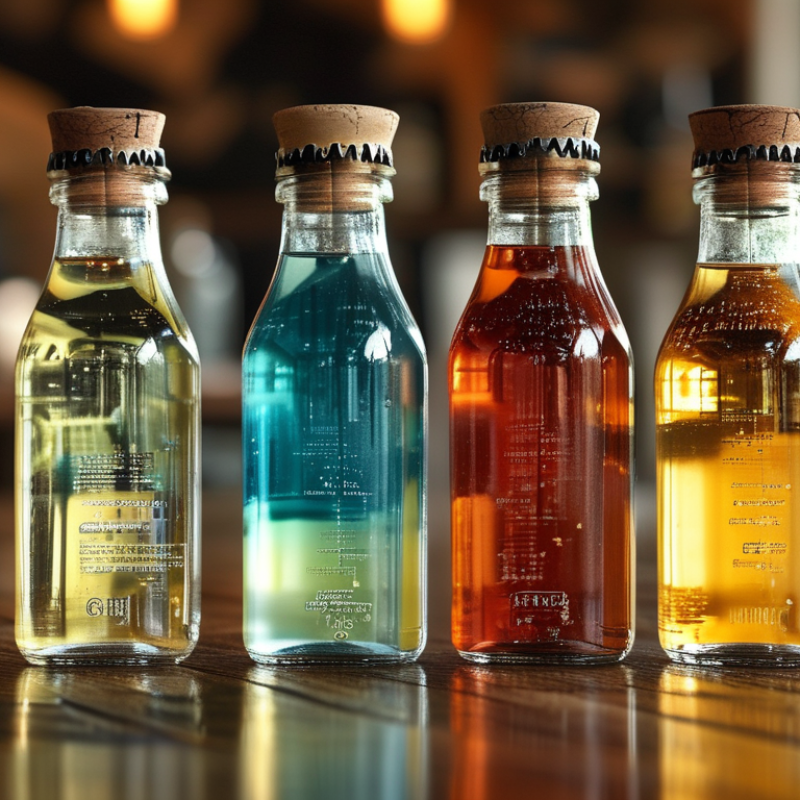
Importance of Proper Sealing in Glass Bottles
Proper sealing in glass bottles is critical for maintaining product integrity. A recent industry report highlighted that nearly 30% of beverage spoilage is due to inadequate seals. This can lead to economic losses and diminished consumer trust. Bottles that are not sealed correctly can cause oxidation, which negatively affects taste and quality.
The choice of cap significantly influences the effectiveness of sealing. For instance, some plastic caps may not withstand temperature fluctuations, leading to leaks. According to experts, glass bottle manufacturers recommend that caps should be tested under various conditions to ensure reliability. A study found that up to 25% of consumer complaints relate to package failures, including inadequate sealing.
Furthermore, it is essential to consider the interaction between the cap material and the contents. Certain materials may leach harmful substances if not properly sealed. This can pose health risks. The packaging industry must continuously assess sealing methods to enhance safety. It’s crucial for companies to prioritize quality control measures during manufacturing and distribution to avoid costly mistakes.
Why You Need to Choose the Right Cap for Glass Bottles? - Importance of Proper Sealing in Glass Bottles
| Element |
Importance |
Material Choices |
Cap Types |
| Sealing Effectiveness |
Prevents leakage and spoilage |
Plastic, Metal, Cork |
Screw, Snap-on, Crown |
| Consumer Safety |
Ensures food and beverage safety |
Food-grade plastic, Glass, Silicone |
Childproof, Tamper-evident |
| Shelf Life |
Longer preservation of contents |
Vinyl, Teflon linings |
Flip-top, Pump, Seal |
| Aesthetic Appeal |
Enhances product appearance |
Colored glass, Decorative caps |
Decorative, Vintage style |
Types of Caps Commonly Used for Glass Bottles
Choosing the right cap for glass bottles is crucial for product integrity. There are various types of caps commonly used. Each serves distinct purposes and has unique benefits. For instance, screw caps are among the most popular. They provide a snug fit and are easy to open. Research indicates that over 50% of bottles in the beverage industry utilize screw caps. They effectively reduce the risk of spillage or contamination.
Another common type is the cork cap. Often used for wines and spirits, corks allow for a slight exchange of air. This is vital for aging beverages. However, cork caps can sometimes lead to issues like cork taint, affecting the flavor. A study shows that 5-10% of wines may have noticeable faults due to cork. This highlights the importance of selecting the right closure based on the beverage and its desired shelf life.
Crown caps are mainly used for carbonated drinks. They maintain pressure, ensuring freshness. They also provide a tamper-evident seal, enhancing consumer trust. Nevertheless, removing crown caps may require tools, discouraging some consumers. Each cap type has its pros and cons, requiring careful consideration based on your product's needs and target market. Understanding these differences can guide producers toward making informed decisions.
Impact of Cap Materials on Product Preservation
Choosing the right cap for glass bottles is crucial in preserving the quality of their contents. The material of the cap plays a significant role in preventing contamination and maintaining freshness. For example, plastic caps can be convenient but may not provide the same airtight seal as metal caps. The choice can affect taste and shelf life, especially for beverages and food items.
Different materials have their advantages and drawbacks. Metal caps are durable and create a robust seal, making them ideal for long-term storage. However, they can corrode over time if exposed to moisture. On the other hand, plastic caps are lightweight and easy to handle but may not offer optimal protection against air and light. It's essential to consider the product's specific needs when selecting the cap.
When selecting caps, think about the contents' nature. If your product is sensitive to oxygen, opt for a cap that minimizes air exposure. Always ensure that the cap fits snugly on the bottle. A loose cap may lead to spoilage. It’s worth testing different combinations to find the best match for your product. Make notes on what works and what doesn’t for future reference.
Impact of Cap Materials on Product Preservation
Statistics on Product Shelf Life with Correct Cap Selection
Choosing the right cap for glass bottles significantly impacts product shelf life. Studies show that an incorrect cap can shorten freshness. For instance, a bottle sealed with a poorly fitted cap will allow air in. This leads to oxidation, spoilage, and loss of taste. Proper sealing is vital for items like beverages or sauces. The right cap maintains flavor and color integrity over time.
Statistics reveal that products with optimal cap selection can last 30% longer. For instance, juices in well-sealed bottles maintain their nutrients better. In contrast, a loose cap leads to contamination. Additionally, glass bottles with appropriate closures experience reduced leakage rates. This outcome ensures that the product remains intact, preventing waste and customer dissatisfaction.
Consumers often overlook cap selection, but it should be a priority. Choosing the wrong physical material can also compromise shelf life. Eco-friendly materials may not always provide the best seal. Reflecting on cap choices could save costs and improve product longevity. Innovating bottle designs alongside cap alternatives can lead to smarter solutions.
Innovative Cap Technologies Enhancing User Experience
Choosing the right cap for glass bottles is crucial for user satisfaction. Innovative cap technologies enhance the drinking experience in various ways. For instance, ergonomic designs allow for easier opening, especially for those with less hand strength. Some caps feature soft-touch materials, creating a comfortable grip that works well in any environment.
Leak-proof seals represent another leap in cap technology. These seals prevent spills and preserve freshness, ensuring that the contents remain uncontaminated. While these advancements are impressive, there are instances where users encounter difficulty. Some caps may crack or fail after repeated use, highlighting the need for durability. It’s essential to find a balance between convenience and reliability.
Ventilation features in caps can also improve user experience. They allow for controlled pouring and minimize splashing. However, not every design implements this feature effectively. Sometimes, the cap might not align well with the bottle, leading to frustration. Exploring various cap options can uncover innovative solutions, but some trials may not meet expectations, prompting users to reconsider their choices.
FAQS
: Proper sealing maintains product integrity and prevents spoilage. Inadequate seals lead to oxidation and affect taste.
Nearly 30% of beverage spoilage results from inadequate seals, which can cause economic losses.
Cap type influences sealing. For example, some plastic caps may leak under temperature changes.
Cork caps allow air exchange but may lead to cork taint, affecting flavor. 5-10% of wines show noticeable faults.
Screw caps provide a snug fit and are user-friendly. They reduce the risk of spills and contamination effectively.
Crown caps offer a tamper-evident seal, maintaining drink freshness and ensuring safety for consumers.
Ergonomic designs and leak-proof seals enhance user experience. However, some caps may crack after repeated use.
Some advanced caps may not align well, causing frustration. It's important to balance convenience with reliability.
Ventilation features help control pouring and minimize splashing, but not every cap design implements this well.
Companies should prioritize quality control during manufacturing and distribution to enhance sealing methods and avoid costly mistakes.
Conclusion
Choosing the right cap for glass bottles is essential for ensuring the integrity and longevity of the product inside. The sealing effectiveness can impact the shelf life significantly, making it crucial to understand the different types of caps commonly used. Each cap type varies in its sealing properties, and the materials used for caps can also affect product preservation. Statistics indicate that the selection of the appropriate cap directly correlates with extended product shelf life.
Moreover, innovative cap technologies are continually enhancing user experience, providing functionalities that cater to modern consumer demands. Understanding how to select the right cap for glass bottles involves considering not only the sealing efficiency but also the material and the design of the cap to optimize both preservation and usability. This thoughtful selection plays a critical role in product success and customer satisfaction.

 Bogart Glass