Choosing safe glass bottles for food storage is crucial for health-conscious consumers. According to the Glass Packaging Institute, over 80% of consumers prefer glass containers for storing food. They appreciate the safety and taste preservation that glass provides. However, not all glass bottles are created equal. This is where expertise becomes essential.
Dr. Emily Sampson, a noted food safety expert, emphasizes, "Understanding material safety is vital when selecting glass bottles for food storage." She highlights the importance of checking for BPA-free labels and lead-free glass. These factors ensure that harmful chemicals do not leach into your food.
Understanding how to choose safe glass bottles for food storage means looking beyond aesthetics. It requires attention to details like the sealing mechanism and the bottle shape. Glass bottles with secure seals reduce the risk of contamination. They also help maintain the freshness of stored foods. As consumers, questioning the choices available to us is a step towards better health and safety in food storage.
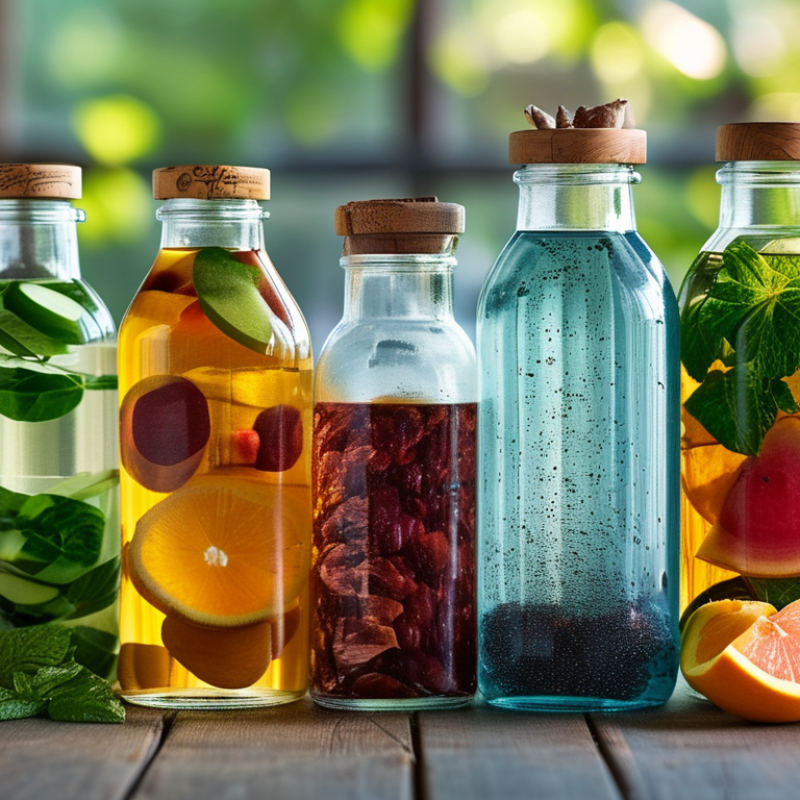
When selecting glass bottles for food storage, understanding the different types is vital for safety. Borosilicate glass is highly recommended. It resists thermal shock, meaning it won't crack under temperature changes. This feature is crucial for storing liquids, especially hot soups or sauces.
Another type is soda-lime glass. It’s more common but less durable than borosilicate. It may shatter under high heat. This type can be safe for cold food storage but might not be suitable for all applications. Consider the closure type as well. Metal lids can corrode, while plastic closures may leach chemicals over time.
Ensure your glass bottles are free from BPA and other harmful substances. Look for labels or certifications that indicate they are food safe. Remember, not all glass is created equal, and examining the manufacturer's details can aid in making a wise choice. With all these factors, it's important to periodically reassess the condition of your glass containers. Small chips or cracks can compromise their integrity. Staying informed and vigilant helps maintain food safety in your kitchen.
When selecting glass bottles for food storage, understanding food-grade glass standards is crucial. Not all glass is created equal. Many manufacturers use varying compositions, which influences the safety and durability of their products. According to the U.S. Food and Drug Administration (FDA), glass used for food storage must meet specific guidelines to ensure safety. This includes being free from harmful substances like lead and BPA.
In addition, it's essential to consider the tempering of the glass. Tempered glass can withstand higher temperatures and is less likely to break. A report from the Glass Packaging Institute suggests that tempered glass bottles are 2-5 times stronger than standard glass. This strength is vital for both storage safety and longevity. Yet, even with robust standards, inconsistencies exist. Reports indicate that some bottles marketed as "food-safe" still fail to meet ideal safety benchmarks.
Furthermore, the testing process can be misleading. Not all products undergo rigorous assessments before reaching consumers. A study by the International Journal of Food Science and Technology emphasizes that only 40% of products in the market consistently pass these safety tests. Therefore, due diligence is necessary when selecting glass bottles for food storage. Checking for certifications and researching manufacturers can prevent potential hazards.
When choosing glass bottles for food storage, understanding BPA-free options is crucial. BPA, or bisphenol A, is a chemical commonly found in plastics. Research shows that BPA can leach into foods, posing potential health risks. According to a study from the National Institutes of Health, high levels of BPA exposure are linked to hormonal disruptions and increased cancer risk.
Look for labels that explicitly state "BPA-free" when shopping for glass bottles. This ensures the glass is free of harmful chemicals. Many glass bottles are treated to enhance durability and safety. Check if they are made from soda-lime glass or borosilicate glass, both of which are reliable options.
**Tips**: Choose dark glass for light-sensitive items like oils and sauces. Always inspect bottles for cracks or chips. These imperfections can lead to contamination. For added safety, keep glass containers away from extreme temperature changes. Mindfully selecting BPA-free and non-toxic glass options can help safeguard your health.
When selecting glass bottles for food storage, the material's safety is critical. Tempered glass is specially treated to resist thermal shock. It can withstand sudden temperature changes without breaking. This makes it ideal for storing hot liquids. Non-tempered glass may shatter more easily when exposed to heat. This unpredictability can be concerning when using glass for food.
Consider the purpose of the bottles. For hot sauces or soups, tempered glass offers durability. However, if you're storing cold beverages, non-tempered glass might suffice. Remember, not all glass is created equal. Check for any chips or cracks. Even small imperfections can lead to breakage. A bottle that looks perfect may also harbor weaknesses.
In terms of weight, tempered glass tends to be heavier. This can provide a more solid feel but may be cumbersome for some users. Non-tempered bottles are lighter, making them easier to handle. Evaluate your needs carefully to find the right balance. Both options have pros and cons. Stay mindful of your choices and inspect your bottles regularly for safety.
Cleaning and maintaining glass food storage bottles is essential for food safety. A report from the Food Safety and Inspection Service indicates that improper cleaning can lead to cross-contamination, affecting food quality. Start by washing the bottles with warm, soapy water. Use a soft sponge or cloth to avoid scratching the glass. Some users prefer vinegar or baking soda for natural cleaning. However, these methods may not always eliminate stubborn odors.
After cleaning, ensure bottles are thoroughly rinsed and dried. Bacteria can thrive in moisture. According to the Centers for Disease Control and Prevention, even small amounts of moisture can lead to bacterial growth. It's also crucial to inspect the bottles for cracks or chips. Damaged glass may harbor bacteria, compromise the storage contents, and pose a safety risk. Replace any bottles showing wear and tear immediately.
Routine maintenance is just as important. Store glass bottles in a cool, dry place away from direct sunlight. Over time, UV light can degrade some glass surfaces. Consider labeling bottles to track usage. Neglecting this can lead to expired contents. Regularly checking storage conditions and cleaning routines holds the key to food safety. After all, even minor oversights can lead to significant food safety issues.
: Borosilicate glass is recommended. It resists thermal shock and won’t crack easily.
It can be safe for cold food, but it may shatter with heat exposure.
Look for labels indicating BPA-free and food-safe certifications.
Tempered glass resists thermal shock, while non-tempered may shatter under heat.
Small damages can compromise their integrity, risking breakage.
Metal lids can corrode over time. Consider the type of closure carefully.
Yes, heavier tempered glass feels solid but is cumbersome; lighter non-tempered glass is easier to handle.
It's wise to assess them regularly for any signs of damage or wear.
Yes, they may leach chemicals if not designed for safe food storage.
No, quality can vary. Always examine the manufacturer's details for safe options.
When considering how to choose safe glass bottles for food storage, it is essential to understand the various types of glass bottles available and their safety features. Evaluating food-grade glass standards and regulations helps ensure that the bottles you select adhere to safety requirements, making them suitable for food contact. It's also important to identify BPA-free and non-toxic glass options to safeguard against harmful chemicals.
Furthermore, comparing tempered versus non-tempered glass bottles can inform your decision based on durability and resistance to breakage. Lastly, adopting best practices for cleaning and maintaining your glass food storage bottles ensures longevity and hygiene, ultimately contributing to safe food storage practices. By following these guidelines, you can confidently select the right glass storage solutions for your needs.

Bogart Glass