How to Choose the Most Popular Glass Bottle Designs in 2026

Time:2026-11-18 Author:Ethan
0%

What are the most popular designs for glass bottles in 2026? The answer depends on what the bottle must do, where it will be sold, and who will use it. Sleek, clear bottles still suit products that benefit from visible color, while amber and green glass offer a more muted look. Rounded shoulders feel familiar; square profiles can stand out on a crowded shelf. Small details matter. A thick base, embossed mark, or carefully chosen cap can change how a bottle feels in the hand. Yet appearance alone is not enough.

This guide explores popular shapes, finishes, colors, and closures, with practical points for comparing them. It considers shelf presence, grip, filling, storage, and how a design supports a brand’s identity. A narrow neck may create an elegant silhouette, but it can make pouring less comfortable. A heavy bottle may feel substantial, though added weight can affect shipping and handling. Trade-offs are real. Trends also vary by region and product category, so a design that looks current in one market may feel ordinary in another. There is no single winning style. Use these ideas as a starting point, then check samples under real lighting and test how they pour, stack, and feel. Even a good choice can reveal flaws late in the process. That is worth remembering.
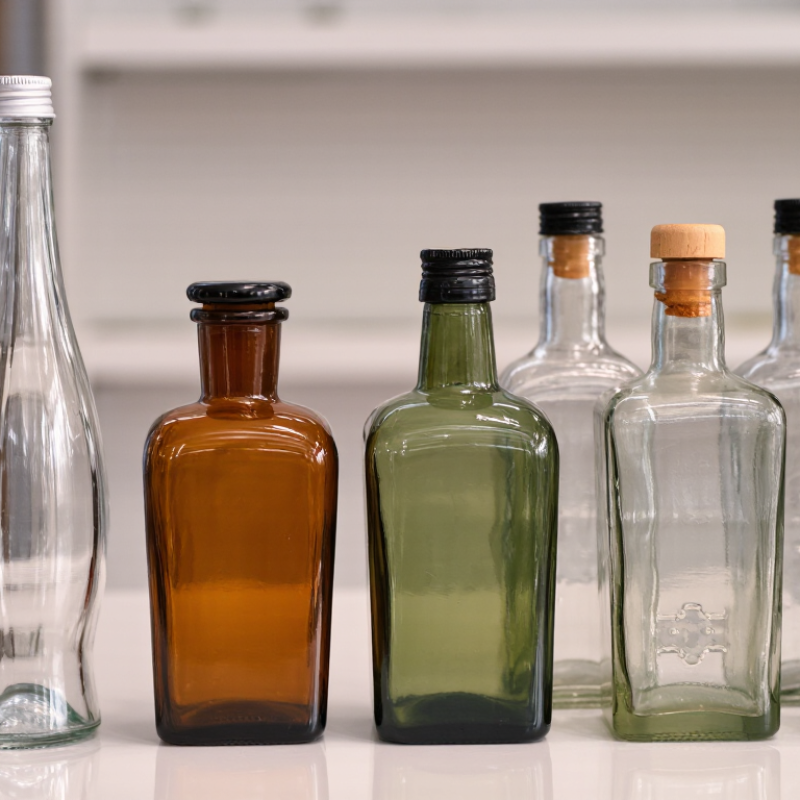
How to Choose the Most Popular Glass Bottle Designs in 2026

Map the 2026 Market: Identify Leading Uses for Glass Packaging

In 2026, map glass packaging by product use, not just by appearance. Beverage bottles remain a natural fit for water, juices, sparkling drinks, and specialty oils. Their clear walls show color and clarity, while amber or green glass can help limit light exposure. For pantry goods, jars suit sauces, spreads, honey, and pickled foods. Wide openings make filling and scooping easier; compact jars also store neatly on shelves.

Beauty and home-care products often use smaller bottles for serums, lotions, and fragrance. Droppers and pumps can control dispensing, but they add parts that must match the bottle neck. Small details count. A thick base may feel substantial, yet it also adds weight during shipping. Test the filled package for grip, pouring, closure fit, and breakage before settling on a design. A good-looking sample is not always practical at scale.

Tips: Start with the product’s viscosity, light sensitivity, and daily use. Compare bottle capacity and closure options with your filling process. Ask a packaging specialist to review compatibility, then test samples under real handling conditions. It is easy to overlook the label area; leave enough room for clear product information.

Compare Formats: 750 mL Is the Standard Wine Bottle Capacity

A 750 mL bottle remains the familiar reference point for wine packaging in 2026. It holds five 150 mL pours, though real servings vary with the glass and occasion. That makes capacity easy to explain to shoppers and convenient for comparing shelf prices. Not every bottle needs to follow it.

When comparing designs, separate volume from silhouette. A tall, straight-sided bottle and a round-shouldered bottle can both hold 750 mL, yet they need different shelf space and may feel different in the hand. Check the base diameter, height, neck finish, and empty-glass weight against your filling line and shipping cartons. Small mismatches matter. A sample that looks elegant on a desk may tip in a crowded display or leave too little room in a case.

The standard size also makes label planning more predictable, but the usable surface depends on the bottle’s curve and shoulder. Measure a physical sample before finalizing artwork. Glass color can help protect light-sensitive contents, while thicker glass may add weight without improving the shelf experience. A lighter bottle may be practical, but it can feel less substantial to some buyers. That trade-off is easy to miss. Test the bottle filled, chilled, and handled by different people; one preference is not reliable market evidence.

How to Choose Glass Bottle Formats in 2026

Compare common wine bottle capacities. The 750 mL bottle is the standard format; smaller and larger sizes suit different serving and storage needs.

Bottle names can vary by region, particularly for larger formats. Capacity is shown in milliliters.

Select the Glass Type: Soda-Lime Glass Dominates Container Production

For many 2026 container designs, soda-lime glass remains a practical starting point. It is widely used for beverage, food, and personal-care bottles because its raw materials are accessible and production is well established. It can be made clear, amber, or green, with shapes ranging from straight-sided juice bottles to ribbed sauce jars. Its familiar weight and transparency help customers see and handle the product. Still, glass is not automatically the best choice.

Match the bottle to its filling and handling conditions. Soda-lime glass is rigid and recyclable where collection systems accept it, but impact or sudden temperature changes can cause breakage. Check the neck finish, wall thickness, base stability, and closure fit using real samples. A thick base may look premium, yet it also adds weight and shipping demand. I would test before refining the silhouette; appearance alone can mislead. Not always.

Tips: Ask for sample bottles and confirm compatibility with filling temperatures, product contents, and transport. Set a filled bottle on a wet counter and check its stability. Small details show up fast. Leave room for production variation.

Assess Circularity: FEVE Reported 80.1% EU Glass-Packaging Collection in 2022

How to Choose the Most Popular Glass Bottle Designs in 2026

A popular bottle should look appealing on a shelf and fit the realities of recovery. FEVE reported that 80.1% of EU glass packaging was collected in 2022. That figure is encouraging, but collection does not guarantee that every bottle becomes a new bottle. Local sorting, color, and processing capacity also matter.

When comparing designs, check whether the bottle uses a common shape and a practical weight. A narrow neck, heavy base, or unusual tint may affect handling or sorting in some systems. Ask suppliers about recycled-glass content and whether labels, inks, and closures can be removed efficiently. Small details count. A label that peels cleanly is more useful than one that only looks refined.

Circularity has trade-offs. Thinner glass can reduce material use, yet it must still withstand filling, transport, and everyday handling. Refillable formats may work well where return routes exist, but not everywhere. The reported collection rate is a useful starting point, not a complete measure of a bottle’s impact. Compare the design with the collection options where it will actually be sold, and be ready to revise assumptions.

Screen the Shortlist: GPI Classifies Glass as 100% Recyclable

When choosing popular glass bottle designs for 2026, look beyond silhouette and shelf appeal. GPI classifies glass as 100% recyclable, making it a strong option for packaging plans that value material recovery. Yet recyclable does not always mean recycled. Collection access, sorting, and processing differ by location.

Clear glass can show a drink’s color, while amber glass helps shield light-sensitive contents. A simple, standard bottle shape may also be easier to sort than an unusual design. Check whether labels, coatings, and closures can be removed during processing. Small details matter. I would not assume a bottle is circular just because it is glass; that needs a closer look.

Tips: Ask local recyclers which glass colors they accept. Prefer easily separated closures and labels. Test the bottle’s grip and stability when filled, not just when empty. A sleek shape can look right on screen and still feel awkward in hand.

Treat the 100% recyclable classification as a material property, not a guarantee of local recovery. Choose a design that balances appearance, durability, and practical recycling. Some trade-offs remain, and the best option may be less striking than expected.

FAQS

How much wine does a standard 750 mL bottle hold?

It holds about five 150 mL pours. Actual servings can vary by glass and occasion.

Do bottles with different shapes hold different amounts?

Not necessarily. A tall, straight-sided bottle and a round-shouldered bottle can both hold 750 mL. Check height and base diameter.

What should be checked before choosing a bottle design?

Compare its height, base, neck, and empty-glass weight with your filling line and shipping cartons. Small mismatches matter.

Why should a physical bottle sample be tested?

A sample can reveal shelf space, label fit, and handling issues. Test it filled and chilled, too.

Does thicker glass always make a bottle better?

No. It can add weight without improving the shelf experience. A lighter bottle may feel less substantial to some buyers.

What does a high glass-packaging collection rate tell us?

In 2022, 80.1% of EU glass packaging was collected. Collection does not guarantee each bottle becomes a new bottle.

Can bottle details affect sorting and recovery?

Yes. Unusual tints, heavy bases, labels, and closures may affect handling or sorting in some systems. Ask how easily components can be removed.

Are refillable bottles a practical choice everywhere?

They can work where return routes exist, but not everywhere. Compare the design with local collection options; assumptions may need another look.

Conclusion

Choosing the right glass bottle design in 2026 starts with understanding how the packaging will be used. Drinks, food products, cosmetics, and household goods each have different needs for capacity, shape, closure, and ease of handling. For wine, 750 mL remains a familiar standard, while other products may call for smaller or larger formats. When considering “What are the most popular designs for glass bottles,” look beyond appearance: a successful design should suit the product, communicate its character, and work well for filling, transport, and everyday use.

Soda-lime glass is the dominant choice for container production because it is practical for many packaging applications. Sustainability is also an important screening factor. FEVE reported that 80.1% of glass packaging in the EU was collected in 2022, and GPI classifies glass as 100% recyclable. These figures offer useful context, but the best choice depends on local collection systems and the product’s needs. Compare bottle shapes, capacity, material, and recyclability together to create a shortlist that balances function, visual appeal, and circularity.

Ethan

Ethan

Ethan is a seasoned marketing professional with a deep expertise in our company's innovative product line. With a passion for sharing knowledge and insights, he takes the lead in regularly updating our corporate blog, where he explores industry trends, product features, and effective marketing......