How to Choose China Best Essential Oil and Perfume Bottles?

Time:2026-11-25 Author:Ethan
0%

Choosing the right bottle is more than matching a label to a color. For essential oils and perfumes, the glass, closure, and dispensing system all affect storage and daily use. A bottle that looks elegant on a sample card may feel awkward in the hand or leak during shipping. Small details matter.

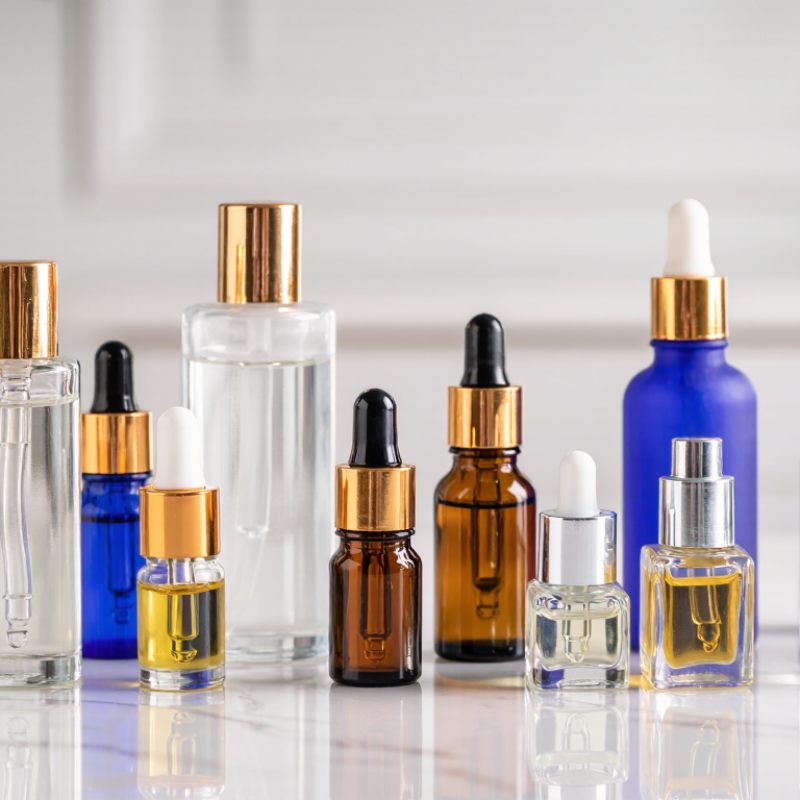
How to choose glass bottles for essential oils and perfumes depends on the product, the target customer, and the filling process. Compare bottle capacity, neck size, glass thickness, and closure fit before placing a large order. Dark amber or other light-reducing glass may suit light-sensitive formulas, while clear glass can showcase a perfume’s color. Still, appearance alone is not proof of protection. Ask suppliers for product specifications and samples, then check the fit with your actual formula and packaging line.

China offers a wide range of bottle styles and manufacturing options, but supplier comparisons need more than a low unit price. Request clear details on minimum order quantities, sample availability, production timelines, quality checks, and customization limits. Test sprayers and droppers for consistent use, and inspect several samples for chips, uneven finishes, or loose components. Not every bottle works. Even a small mismatch between a bottle neck and its closure can create delays or extra costs. Some choices may seem obvious until production begins; that is worth remembering. A careful selection process helps buyers balance appearance, function, and reliable supply without treating any single feature as a guarantee.
How to Choose China Best Essential Oil and Perfume Bottles?

Define the Bottle’s Intended Use and Product Requirements

Start with the contents. Is the bottle for a concentrated essential oil, a finished perfume, or a sample? Each use calls for different capacity, dispensing, and protection. A 10 ml roll-on suits controlled application, while a fine-mist sprayer works better for a wearable fragrance. Choose glass when the formula may interact with plastic, but confirm compatibility with the complete product and closure.

Consider light, air, and daily handling. Amber or cobalt glass can reduce light exposure, though it does not replace proper storage or testing. A tight screw cap may suit bulk oil; a well-matched atomizer is usually more practical for perfume. Check the neck finish, liner, dip tube, and spray output together. Small mismatches can cause leaks or uneven doses. They matter.

Set measurable requirements before comparing suppliers in China: fill volume, bottle dimensions, target weight, decoration, and acceptable leakage rate. Request samples filled with the actual formula, not just water. Store them upright and on their sides, then inspect for seepage, scent changes, and spray consistency. Also test labels after handling with oily fingers. Specifications help, but they rarely reveal every problem. Some details may need another round of testing, and that is worth acknowledging before a large order.

Compare Glass and Plastic Materials for Essential Oils and Perfumes

Choosing a bottle in China starts with the formula, not the shape. Glass is generally a dependable choice for essential oils because it is less likely to react with concentrated ingredients. Amber or cobalt glass can reduce light exposure, though color alone does not guarantee full UV protection. Keep bottles away from sunny windows.

Plastic is lighter and less likely to shatter during shipping. That can matter for travel-size products or busy filling lines. But plastic types vary. Some may soften, absorb fragrance, or allow aroma to escape over time. Ask suppliers for the exact resin type and test it with your formula. Small details matter.

Perfumes often contain alcohol, so check that the bottle, cap, liner, and pump are compatible with the finished product. A bottle may look sturdy yet leak around its neck after repeated handling. Request samples, fill them, and observe changes in scent, color, and seal quality over several weeks. This takes patience. I would not assume a material is suitable based only on a supplier’s general description; real formulas can behave differently.

Choose the Right Bottle Capacity, Shape, and Neck Finish

How to Choose China Best Essential Oil and Perfume Bottles?

Choose the Right Bottle Capacity, Shape, and Neck Finish

Bottle capacity should match how customers use and store the product. Essential oils often suit compact 5–30 ml bottles, while perfumes commonly need larger options for repeated daily use. These are practical ranges, not fixed rules. Grand View Research estimated the global essential oils market at USD 23.74 billion in 2023, suggesting broad demand across product formats. That market figure does not determine the right bottle size; test samples with your actual formula and dispensing method. A 10 ml bottle can feel convenient, but a narrow opening may make filling slower.

Shape affects grip, shelf presence, and packing efficiency. A rounded bottle feels smooth in the hand, while a square bottle can sit neatly in a shipping carton. Check that shoulders and corners are not so intricate that labels wrinkle or product remains trapped. Simple often works better. Glass helps protect fragrance quality, but color and thickness should be chosen for the formula, light exposure, and transport conditions. I would not select a shape from a screen alone; small differences in weight can change the feel considerably.

Neck finish must match the closure, reducer, spray pump, or dropper—not just the bottle’s appearance. Ask suppliers for neck-finish specifications and physical samples, then test fit, leakage, and dispensing consistency. A loose fit is a costly surprise. Also check whether the selected capacity leaves enough headspace for the closure and filling process. Standards and supplier tolerances can vary, so confirm measurements before approving production.

Assess Closures, Droppers, Sprayers, and Leak Protection

A bottle’s seal depends on the whole closure system, not just the glass. Check the neck finish, cap liner, and material compatibility together. Essential oils may soften some plastics or elastomers over time, so request compatibility and aging tests for the exact formula. A tight cap today is not proof of a lasting seal. Small details matter.

For droppers, assess bulb resilience, pipette fit, and dose consistency; a loose pipette can wet the bottle neck. For sprayers, test several actuations after storage and check for clogging, uneven mist, and leakage around the crimp or screw closure. Grand View Research estimated the global glass packaging market at USD 62.56 billion in 2023, reflecting the scale of packaging demand, but market growth does not verify a particular component’s performance. Ask suppliers for test records, not general assurances. Run upright and inverted leak checks, then simulate vibration and temperature changes using a relevant distribution-testing protocol, such as ASTM D4169. Test filled samples. Repeat after aging. In practice, weak points often appear at the liner or pump interface, and a small sample may miss them; larger validation runs are wiser.

Evaluate Chinese Suppliers for Quality, Compliance, and Value

How to Choose China’s Best Essential Oil and Perfume Bottles?

Choosing a Chinese supplier takes more than comparing unit prices. Request samples made with the same glass, coating, pump, and closure specified for production. Check bottle weight, neck finish, spray consistency, and whether caps loosen during repeated handling. Ask how the supplier controls batch variation and handles defective units. A smooth sample is useful, but it does not prove every shipment will match.

Review documents against your product and destination market. Ask for material specifications, relevant test reports, and clear details about traceability and quality checks. For essential oils, test the filled bottle over time: some oils may affect liners, seals, or decorative coatings. Confirm lead times, minimum order quantities, packaging protection, and shipping terms in writing. Compare total landed cost, not just the quoted bottle price. One detail buyers can overlook is how a small change in the pump alters the user experience. We may not catch every issue before ordering; a pilot run reduces, but does not remove, that risk.

Tips: Send the same written specification to several suppliers. Keep an approved sample, record test results, and clarify who pays for replacements before production begins. Small checks matter.

How to Evaluate Chinese Essential Oil and Perfume Bottle Suppliers

Suggested evaluation weights for comparing suppliers—not market survey results. Prioritize product compatibility and quality, then verify compliance documents, production consistency, delivery capability, and total cost using samples and supporting records.

FAQS

Is glass a good choice for essential oil bottles?

Glass is generally less likely to react with concentrated ingredients. Amber or cobalt glass can reduce light exposure. Color alone does not guarantee full UV protection. Keep bottles away from sunny windows.

When might plastic bottles be more practical?

Plastic is lighter and less likely to shatter during shipping. It can suit travel-size products or busy filling lines. Plastic types vary. Ask for the exact resin type and test it with your formula.

What should I check for perfume bottles?

Perfume often contains alcohol, so check the bottle, cap, liner, and pump for compatibility. A sturdy-looking bottle may still leak around its neck. Repeated handling can reveal problems.

How can I test a bottle sample?

Fill samples with your finished product. Check the scent, color, and seal over several weeks. Also test the spray and cap after repeated use. That takes patience.

What details should I inspect in supplier samples?

Request samples made with the specified glass, coating, pump, and closure. Check bottle weight, neck finish, spray consistency, and cap fit. A smooth sample does not prove every shipment will match.

Which supplier documents should I request?

Ask for material specifications, relevant test reports, traceability details, and quality-check procedures. Compare documents with your product and destination market. I still find this easy to miss.

How should I compare supplier prices?

Compare total landed cost, not just the quoted bottle price. Confirm lead times, minimum order quantities, packaging protection, and shipping terms in writing. Small details matter.

Can a pilot run prevent production problems?

A pilot run can help reveal batch variation, but it cannot remove every risk. Keep an approved sample and record test results. Clarify replacement costs before production begins.

Conclusion

Choosing the right bottle begins with understanding how the product will be used, how it will be stored, and how it will be dispensed. Essential oils and perfumes can have different packaging needs, so consider product compatibility, light sensitivity, expected shelf life, and the desired user experience. When deciding How to choose glass bottles for essential oils and perfumes, compare glass and plastic for durability, appearance, weight, and protection, then select a capacity, shape, and neck finish that suit filling, storage, and everyday use.

Closures are equally important: droppers, sprayers, and caps should deliver the product consistently and help prevent leaks during handling and transport. Before placing an order, assess Chinese suppliers by reviewing sample quality, production consistency, packaging options, communication, and relevant product documentation. Comparing these factors alongside pricing and lead times can help you choose packaging that protects the contents, works reliably, and offers lasting value.

Ethan

Ethan

Ethan is a seasoned marketing professional with a deep expertise in our company's innovative product line. With a passion for sharing knowledge and insights, he takes the lead in regularly updating our corporate blog, where he explores industry trends, product features, and effective marketing......