In the competitive landscape of manufacturing, the ability to improve mold precision and consistency in mass production is critical. Dr. Emily Chen, a leading expert in injection molding technology, states, "Precision molds are the backbone of efficient mass production." This highlights the significance of quality molds in meeting production targets.
Mold precision affects product functionality and quality. Inaccuracies can lead to significant production delays and increased costs. Achieving consistency is not merely an operational goal; it is a necessity for customer satisfaction and brand reputation. Many manufacturers struggle with this issue. They often overlook regular maintenance and calibration of molds, which can exacerbate inconsistencies.
Furthermore, relying solely on existing processes may hinder innovation. Embracing new technologies and techniques is essential to meet evolving demands. The journey to improve mold precision and consistency in mass production requires a mindset shift. Continuous evaluation and adaptation are vital for long-term success. Industry leaders must invest in training and technology to overcome these challenges and enhance overall productivity.
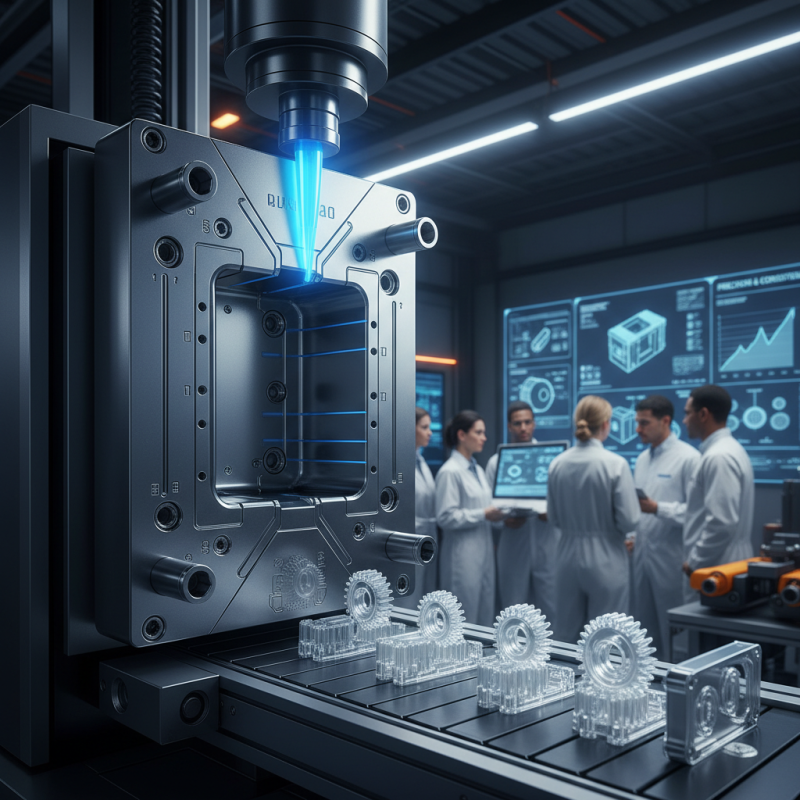
Mold design is critical for achieving precision and consistency in production. Choosing the right material is essential. Steel and aluminum are popular choices, but they come with different manufacturing capabilities. Understanding the specific requirements of each project helps in making informed decisions. For instance, aluminum molds are lighter and cheaper but may wear out faster.
Designing with tolerances in mind is another best practice. Tighter tolerances often lead to better fits and finishes. However, they can increase costs. Balancing functionality and budget is crucial. Incorporating features like draft angles and radii can improve the ejection process, reducing wear and tear.
Testing molds during the design phase is often overlooked. This step allows designers to identify potential issues early on. Using simulation software helps visualize how the mold will perform under different conditions. Adjustments can be made before physical production starts. Each project presents unique challenges, making continual assessment vital for achieving long-term accuracy and reliability.
Utilizing advanced materials can significantly enhance mold performance and durability. Modern materials improve precision, allowing for better fitting and reduced wear. Selecting the right material for molds can lead to lower production costs and longer lifespans. Engineers are constantly exploring new composites that withstand high temperatures and pressures. Some traditional materials may fall short in demanding applications.
Tips: Choose materials based on your specific molding process. For example, metals like steel provide strength but can be heavy. Meanwhile, polymers may offer lighter weight and corrosion resistance. Balancing these factors can be tricky.
In the quest for mold precision, consider the manufacturing process. Are your molds produced using outdated techniques? Improving fabrication methods can lead to noticeable differences in output quality. Refine your approach and explore recent advancements. It’s essential to evaluate how improvement in materials affects the entire system. A small change can have a big impact on overall performance.
Precision machining plays a crucial role in mold fabrication. It enhances accuracy and consistency in the final product. Implementing advanced techniques is essential for achieving these goals.
For mold makers, adopting CNC machining can significantly reduce errors. This technology allows for tighter tolerances and faster production times. Additionally, using high-quality materials leads to better end results.
Precision machining isn't without its challenges. Not all machines operate flawlessly at all times. Issues like tool wear can compromise mold quality. By recognizing these potential failures, mold makers can adapt their processes and enhance overall reliability.
Monitoring environmental factors in mold production is crucial.
Temperature, humidity, and air quality play significant roles in the final product's quality.
Even slight variations can affect mold precision.
For instance, a drop in temperature might lead to longer curing times.
This inconsistency can undermine production efforts.
Humidity is another critical factor. High humidity can introduce moisture into molds.
This can cause defects such as bubbles or uneven surfaces. Regular monitoring ensures the environment stays within optimal levels.
Utilizing tools like hygrometers can provide real-time data.
Adjusting environmental controls based on the data is necessary for consistent outcomes.
Production staff should be trained to recognize signs of environmental issues.
Awareness is key in preventing large-scale effects.
Regular audits of environmental conditions are essential.
They reveal potential problems before production runs escalate.
Reflection on past challenges helps refine monitoring processes.
Emphasizing awareness and adaptation fosters a culture of precision.
Quality assurance protocols are crucial in mold production. According to a study by the Society of Plastics Engineers, companies that implement quality assurance see a 20% reduction in defects. This improvement directly impacts overall efficiency and customer satisfaction. By closely monitoring processes and outputs, manufacturers can ensure consistency in mold specifications.
One common pitfall is neglecting training for quality assurance teams. Many manufacturers focus solely on machinery, leaving human factors sidelined. A report from the American Society for Quality highlighted that businesses often overlook the importance of staff training. This can lead to variations in production and quality issues.
Regular audits and real-time monitoring can aid in identifying errors early. It is essential to evaluate equipment regularly and maintain stringent checks on materials used. Inconsistent material quality frequently results in mold defects. Industry data suggest that using standardized materials reduces variability and ensures consistent outcomes. Thus, embracing a rigorous quality assurance protocol not only safeguards precision but also enhances the overall manufacturing process.
| Method | Description | Expected Improvement (%) | Implementation Cost ($) | Time to Implement (Weeks) |
|---|---|---|---|---|
| Regular Calibration | Calibrating mold machines regularly to ensure precise measurements. | 15% | 2,000 | 4 |
| Quality Control Checks | Implementing routine quality checks during the molding process. | 20% | 1,500 | 6 |
| Automation | Investing in automated systems for precision in molding. | 30% | 50,000 | 12 |
| Staff Training | Training employees on best practices and new technologies. | 10% | 3,000 | 2 |
| Material Quality Assurance | Ensuring raw materials meet strict quality standards before use. | 25% | 4,000 | 5 |
: Environmental factors like temperature, humidity, and air quality directly affect product quality and precision.
A drop in temperature can lead to longer curing times, affecting overall production consistency.
High humidity may introduce moisture, resulting in bubbles or uneven surfaces in molds.
Tools like hygrometers can provide real-time data to maintain optimal humidity levels during production.
Training helps staff recognize signs of environmental problems, fostering awareness and preventing larger issues.
They help reduce defects and ensure consistency in mold specifications, improving efficiency and customer satisfaction.
Neglecting staff training can lead to variations and quality issues, despite focusing on machinery.
Audits identify errors early and reveal potential problems before they escalate, improving overall quality.
It frequently results in mold defects, making it essential to use standardized materials for consistency.
Analyzing previous issues helps refine monitoring processes and enhance the quality control system.
To improve mold precision and consistency in mass production, implementing best practices in mold design is essential. This includes using advanced materials that enhance both the performance and durability of molds, ensuring they withstand the rigors of repeated use while maintaining their form. Furthermore, precision machining techniques should be adopted during the fabrication process to achieve the desired levels of accuracy and surface finish.
In addition, monitoring and controlling environmental factors throughout mold production can significantly affect the final outputs. By establishing rigorous quality assurance protocols, manufacturers can ensure consistency in mold outputs by identifying and correcting potential issues before they escalate. These comprehensive strategies collectively contribute to a more reliable and efficient molding process, ultimately enhancing the quality of the final products.

Bogart Glass