In the world of liquid filling and dispensing, efficiency is paramount. Experts agree that to succeed, companies must "Optimize design for easy filling and dispensing of liquids." John Smith, a respected industry leader with over 20 years of experience, highlights the significant impact of thoughtful design on operational speed and accuracy.
The importance of design cannot be overstated. A well-optimized system reduces waste and increases productivity. Yet, many companies still struggle with outdated methods. It’s crucial to reflect on current practices. The gap between existing technologies and potential advancements is often wide.
Innovation is part of the journey. Emphasizing user-friendly designs can make a remarkable difference. However, achieving true optimization is no small feat. Companies must continually evaluate their processes and equipment. Identifying weaknesses helps pave the way for progress. Embracing change is vital in this ever-evolving landscape.
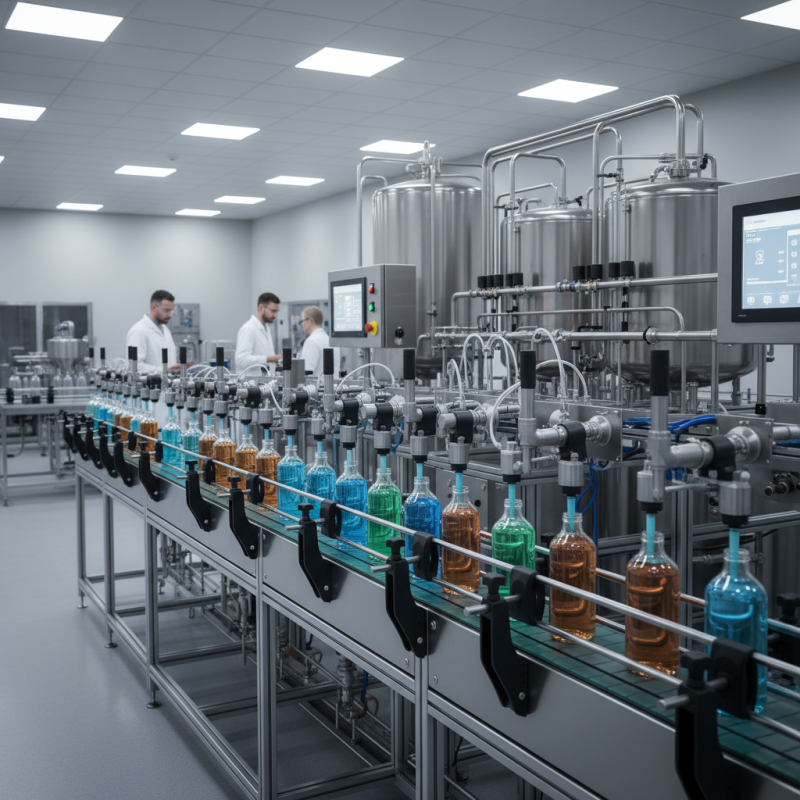
In the realm of liquid filling and dispensing, innovative technologies are crucial for optimization. Recent industry reports indicate that automated systems can improve accuracy by up to 99%. This level of precision reduces waste and enhances product quality. Adopting advanced sensors and real-time monitoring software can also lead to significant efficiency gains.
Furthermore, integrating Artificial Intelligence into filling systems can analyze data patterns. This analysis allows for predictive maintenance, minimizing downtime. According to research, AI-driven processes can identify errors in real-time, subsequently decreasing operational costs. However, not all implementations succeed seamlessly. Companies often face challenges in training personnel and adapting existing workflows.
Moreover, the push towards sustainability is reshaping liquid dispensing technologies. Industry surveys show that over 50% of companies are investing in eco-friendly filling solutions. These alternatives not only meet regulatory standards but also improve brand reputation. Despite these advancements, companies must reflect on how to ensure compliance and manage costs effectively. The path to optimization is fraught with hurdles but remains essential for future growth.
This chart illustrates the efficiency improvements expected from various innovative technologies in the liquid filling and dispensing industry by 2026. The data shows the estimated percentage increase in efficiency for each technology.
Liquid filling accuracy is critical across many industries, from pharmaceuticals to food and beverage. Even minor discrepancies can lead to significant losses. Variations in temperature and viscosity can affect liquid flow. This necessitates a deep understanding of the materials being processed.
Pressure control is another key factor. Consistent pressure ensures uniform filling. Fluctuations can result in either overfilling or underfilling. For high-speed operations, monitoring is essential. Automated systems can help, but they require regular calibration for optimal performance.
Human factors also play a role. Operators need training to handle equipment properly. Mistakes can lead to serious errors. Teams must evaluate processes regularly to identify weaknesses. Continuing education is vital for maintaining accuracy in liquid filling and dispensing tasks.
| Industry | Key Factor | Best Solution | Expected Accuracy (%) |
|---|---|---|---|
| Pharmaceuticals | Calibration of Equipment | Automated Calibration Systems | 99.8 |
| Food and Beverage | Temperature Control | Thermal Sensors | 98.5 |
| Cosmetics | Viscosity Measurement | Real-Time Viscosity Sensors | 99.0 |
| Chemicals | Flow Rate Stability | Positional Flow Meters | 97.5 |
| Paints and Coatings | Dispensing Pressure | Pressure Regulators | 96.0 |
In the realm of liquid dispensing, manual and automated solutions each have distinct advantages and drawbacks. Manual dispensing often offers flexibility. Operators can adjust measurements quickly. However, this flexibility comes with a trade-off—higher variability in accuracy. A 2022 industry report indicated that manual methods can yield a 10-15% error rate in filling volumes, particularly in high-speed environments.
Conversely, automated liquid dispensing systems are designed for precision. They consistently achieve an accuracy rate exceeding 99%. These systems reduce human error and maintain efficiency. A financial analysis revealed that investing in automation could cut labor costs by 30% while increasing output by up to 50% within a year. Yet, the initial setup can be costly and complex.
Both methods require constant evaluation. Teams must consider the evolving needs of production. Are manual methods still viable, or is it time for automation? Balancing flexibility and precision is crucial for optimizing dispensing solutions. Exploring hybrid systems may offer a roadmap for organizations facing this challenge.
Maintaining equipment in liquid filling processes is crucial for optimal performance. Regular inspections can prevent costly downtime. Industry reports show that unreliability in machinery can lead to losses around 20% in production efficiency. Such figures underline the importance of preventative maintenance. Operators should implement daily checks to identify minor issues before they escalate.
Furthermore, lubrication practices are often overlooked. Reports suggest improper lubrication can reduce equipment lifespan by 25%. Adopting a consistent lubrication schedule can mitigate wear and tear. It's not just about filling; it's about ensuring equipment functions at peak efficiency. Addressing oversights can significantly reduce operational costs.
Training staff is equally essential. Skilled personnel can quickly adapt and identify problems. However, many organizations fail to invest in continuous training. This gap can lead to mistakes that compromise filling accuracy. Regular workshops can enhance knowledge and improve processes. Investing in staff is an investment in reliability.
As we look toward 2026, the liquid filling and dispensing industry is evolving rapidly. Innovations in technology are shaping how products are filled and dispensed efficiently. Automated systems have gained significant traction. These systems reduce human error and enhance precision. Smart sensors, integrated into machines, provide real-time feedback on filling processes. This creates a more reliable and responsive environment.
Digitalization plays a critical role in this transformation. Advanced software allows for better data tracking and analysis. It helps improve quality control and operational efficiency. However, challenges remain. Transitioning to fully automated systems can be costly and complex. Many companies may struggle with outdated equipment. Reflections on training workers are essential for smooth implementation.
Sustainability is another crucial trend. Many manufacturers are seeking eco-friendly materials and processes. Using biodegradable packaging is becoming popular. This creates a demand for filling machines that accommodate such materials. Adapting technology to new regulations can be daunting. Not all innovations fit every product type, leading to potential inefficiencies. Continuous evaluation of technology will be vital for success in the coming years.
: Automated systems can enhance accuracy by up to 99%, reducing waste and improving product quality.
Advanced sensors provide real-time monitoring, leading to significant efficiency gains in filling operations.
AI analyzes data patterns for predictive maintenance, helping to minimize downtime and reduce operational costs.
Companies often struggle with training personnel and adapting workflows to integrate new systems effectively.
Over 50% of companies are investing in eco-friendly solutions, improving regulatory compliance and brand reputation.
The shift can be costly and complex, especially for companies with outdated equipment.
Digitalization aids in better data tracking and quality control, significantly enhancing operational efficiency.
Demand for biodegradable packaging requires filling machines that can adapt to different materials and processes.
Continuous evaluation of technology is essential, as not all innovations may suit every product type.
Companies should consider how to manage costs while ensuring compliance with evolving technology and sustainability norms.
The article "2026 Best Solutions to Optimize Liquid Filling and Dispensing" explores innovative technologies aimed at enhancing the efficiency and accuracy of liquid filling and dispensing processes across various industries. Key factors such as equipment calibration, environmental conditions, and liquid characteristics are examined to understand their impact on filling precision. Furthermore, a comparative analysis highlights the advantages and challenges of manual versus automated dispensing solutions, emphasizing the importance of optimizing design for easy filling and dispensing of liquids.
Best practices for maintaining filling equipment are also discussed, underscoring the need for regular inspections and timely repairs to ensure optimal performance. Looking ahead, the article identifies emerging trends and technological advancements that are set to shape the future of liquid filling and dispensing, paving the way for increased automation, improved user experience, and enhanced accuracy in the industry.

Bogart Glass