What is the Best Type of Glass for Beverage Bottles in 2026

Time:2026-08-11 Author:Mason
0%

As the global beverage industry evolves, manufacturers face crucial decisions. One of these is determining what type of glass is best for beverage bottles. According to the glass packaging market report by Smithers, the demand for glass bottles is projected to grow steadily, reaching 25 million tons by 2026. This growth raises questions about sustainability, consumer preference, and production methods.

Experts emphasize the importance of lightweight glass, which contributes to reduced transportation costs and lower carbon footprints. A study by the Glass Packaging Institute indicated that lighter bottles can decrease energy use by up to 30% during shipment. However, manufacturers must balance this with the need for durability. A recent survey revealed that 70% of consumers prefer glass for its recyclability and premium feel, highlighting the ongoing relevance of traditional materials in a modern context.

Yet, the perfect solution remains elusive. Innovations in production processes introduce new glass types, but consumer acceptance varies. Stakeholders must continuously evaluate market trends and bioplastics as potential competitors to glass. Ultimately, understanding what type of glass is best for beverage bottles in 2026 will require adaptive strategies and a comprehensive approach to both consumer needs and environmental impact.
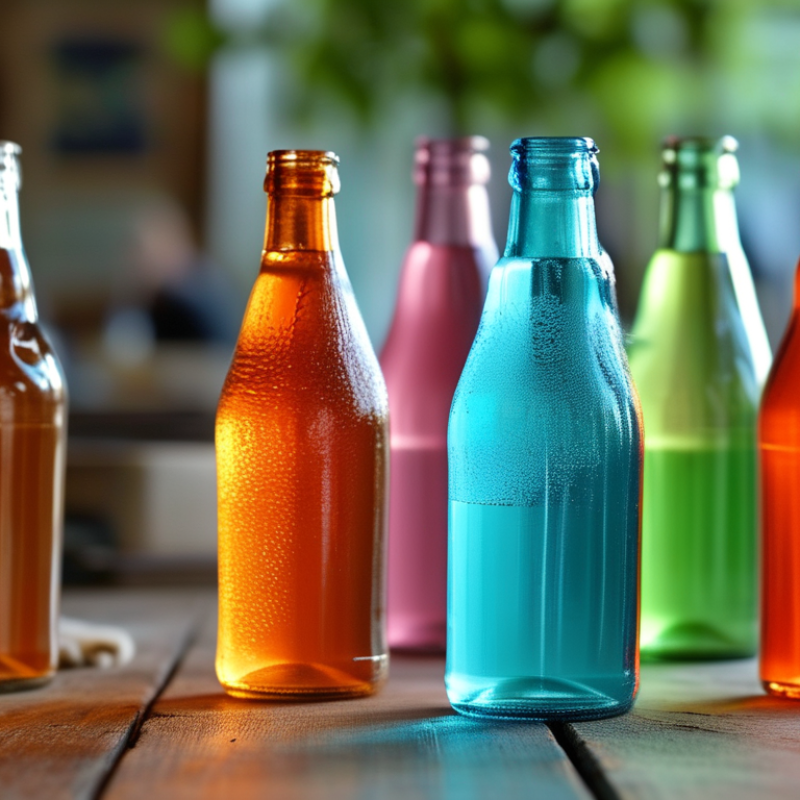
What is the Best Type of Glass for Beverage Bottles in 2026

Best Types of Glass for Beverage Bottles: A 2026 Overview

The beverage industry in 2026 is witnessing a shift towards sustainable glass options. According to recent industry reports, eco-friendly glass types are expected to dominate the market. Brands are increasingly prioritizing customer health and environmental impact. Clear, recyclable glass accounts for approximately 65% of all beverage bottles produced. This shift towards sustainability is not just a trend but a necessary change spurred by consumer demands.

In terms of functionality, heavyweight glass bottles provide superior durability and insulation. Research indicates these bottles can retain beverage temperature longer than standard options. However, they add weight, which may affect transportation. Lightweight glass variants are gaining traction among manufacturers. They are easier to handle and ship, offering a more efficient solution—yet they may sacrifice some robustness. This balance of weight and strength is crucial for brands aiming to optimize supply chain logistics while meeting consumer expectations.

The aesthetics of glass bottles remain important in 2026. Unique designs influence consumer purchasing decisions. Differentiation in shapes, colors, and finishes plays a significant role in market competition. However, some manufacturers overlook the cost implications. Striking a balance between visual appeal and production costs can be tricky. As brands innovate, ongoing reflection on these choices is essential to stay ahead.

Evaluating Soda Lime Glass for Strength and Recyclability in Bottling

Soda lime glass is often the go-to choice for beverage bottles in 2026. Its affordability and availability make it a popular option. This glass type consists mainly of silica, soda, and lime. The composition lends it a balance between durability and ease of recycling. According to industry reports, about 90% of soda lime glass is recyclable, making it an environmentally friendly choice.

Strength is another critical aspect of soda lime glass. Recent studies indicate that this material can withstand pressure up to 12 bars. However, achieving this strength requires precise manufacturing processes. Variability in production may lead to weaknesses in some batches. While soda lime glass performs well, it can still crack under extreme conditions.

Recyclability is a vital factor for sustainability. Approximately 30% of recycled glass comes from post-consumer sources. However, contamination in recycling streams can diminish quality. Despite these challenges, soda lime glass remains a reliable choice. Ongoing innovations aim to enhance its properties while maintaining its recyclability. The industry's focus on sustainability shapes the future landscape of beverage packaging.

The Role of Borosilicate Glass in High-Temperature Beverage Applications

Borosilicate glass is gaining traction in the beverage industry, particularly for high-temperature applications. According to a recent industry report, borosilicate glass can withstand temperatures ranging from -40°C to 500°C. This thermal resilience is ideal for hot beverages, ensuring safety and enhancing user experience. Its durability also reduces the risk of breakage, a common concern with traditional glass types.

The chemical composition of borosilicate glass minimizes the leaching of harmful substances. In fact, studies indicate that it reduces the risk of contaminants by up to 75% compared to regular glass. This aspect is crucial for health-conscious consumers looking for safe beverage options. High-quality borosilicate glass also retains the flavor of beverages, which can be a decisive factor for brands focusing on premium market segments.

However, there are challenges to consider. Production costs for borosilicate glass are generally higher. This can affect pricing strategies for brands. Some manufacturers may hesitate to adopt this material due to the initial investment required. Balancing the benefits of borosilicate glass against its cost remains a complex consideration for many in the industry. Yet, as consumer demand for safer and more durable beverage containers rises, borosilicate’s role could become more significant.

Analyzing the Impact of Glass Coatings on Shelf Life and Safety

As we move into 2026, the choice of glass for beverage bottles is critical. One important factor is the impact of glass coatings. These coatings can significantly extend the shelf life of beverages. They help preserve flavors and protect from external elements. However, not all coatings are created equal. It's essential to analyze their effectiveness and safety.

Tips: When choosing beverage bottles, opt for those with specialized coatings. These can include UV protection or anti-corrosive layers. Check for certifications that ensure safety and efficiency.

Another aspect is the interaction between the beverage and the glass. Some coatings can alter taste or aroma. It's necessary to conduct taste tests to guarantee quality. Moreover, consider environmental factors. While certain coatings enhance performance, they may pose challenges for recycling.

Tips: Always review product information before purchasing. Look out for positive reviews that focus on shelf life. Choose brands that prioritize research and safety in their production processes.

What is the Best Type of Glass for Beverage Bottles in 2026 - Analyzing the Impact of Glass Coatings on Shelf Life and Safety

Type of Glass Coating Type Impact on Shelf Life (Months) Safety Rating Recyclability
Standard Clear Glass None 12 A Yes
Frosted Glass Silicone Coating 14 A+ Yes
Amber Glass UV Coating 16 A++ Yes
Green Glass Barrier Coating 18 A+ Yes
Recycled Glass Eco Coating 10 B Yes

Sustainability Trends: Recycled Glass Use in Beverage Bottle Production

As the beverage industry shifts towards sustainability, recycled glass is gaining prominence. Reports indicate that 55% of glass used in North America’s beverage bottles comes from recycled sources. This trend not only reduces waste but also lessens the energy needed for production.

Recycled glass requires about 30% less energy compared to new glass production. However, achieving higher recycling rates is challenging. Many regions still lack efficient collection and recycling systems. As a result, only 25% of beverage bottles are currently recycled globally. This raises questions about the industry's commitment to sustainability.

In 2026, brands must address these deficiencies. Utilizing advanced technologies in recycling could raise these percentages. Education on proper disposal can also influence consumer behavior. Ensuring that recycled glass maintains quality is crucial. The industry faces responsibility to innovate and improve processes continuously.

Sustainability Trends in Beverage Bottle Production (2026)

FAQS

: What is soda lime glass made of?

: Soda lime glass primarily consists of silica, soda, and lime.

How strong is soda lime glass?

This glass can withstand pressure up to 12 bars under specific manufacturing conditions.

Is soda lime glass recyclable?

Yes, about 90% of soda lime glass is recyclable, making it an eco-friendly option.

What are common issues with recycling soda lime glass?

Contamination in recycling streams can reduce the quality of recycled glass.

How do glass coatings affect beverages?

Coatings can extend shelf life and preserve flavors, protecting from external elements.

Are all glass coatings safe?

No, not all coatings are equal; effectiveness and safety must be analyzed before use.

Can glass coatings change the taste of beverages?

Yes, some coatings may alter taste or aroma, requiring taste tests for quality assurance.

What should consumers look for in beverage bottles?

Choose bottles with specialized coatings and check for safety certifications before purchasing.

How does soda lime glass perform under extreme conditions?

It can crack under extreme conditions despite its overall durability.

What is a key challenge in glass recycling?

Variability in production may lead to weaknesses, affecting the quality of the final product.

Conclusion

In 2026, the choice of glass for beverage bottles is influenced by various factors, particularly strength, recyclability, and sustainability. When considering what type of glass is best for beverage bottles, soda lime glass emerges as a preferred option due to its robust properties and high recyclability. This type of glass is widely used in bottling applications and can withstand the rigors of transportation and storage.

Additionally, borosilicate glass is gaining attention for high-temperature beverage applications, offering durability and resistance to thermal shock. The incorporation of various glass coatings can also enhance shelf life and safety, addressing consumer health concerns. As sustainability trends evolve, the increasing use of recycled glass in bottle production reflects a commitment to reducing environmental impact and promoting a circular economy in the beverage industry.

Mason

Mason

Mason is a seasoned marketing professional with a deep expertise in the company's offerings and a passion for driving brand awareness. With a strong background in digital marketing strategies, he has an innate ability to connect with diverse audiences and effectively communicate product benefits.......