Choosing the right packaging is crucial for preserving product integrity. This is especially true for light-sensitive products such as essential oils, certain pharmaceuticals, and natural skincare items. Many manufacturers and consumers wonder: why are amber glass bottles better for light-sensitive products?
Amber glass bottles have inherent properties that protect contents from harmful light exposure. They effectively block UV light, which can degrade sensitive compounds. This preservation leads to a longer shelf life and maintains the potency of the product. Moreover, consumers appreciate the eco-friendliness of glass. Unlike plastic, amber glass doesn't leach harmful chemicals into products.
Yet, not all amber glass products are created equal. Some bottles may have inconsistencies in thickness, affecting their protective quality. It's important to choose reputable suppliers to ensure the quality of the glass. This attention to detail can make a significant difference in the long-term effectiveness of light-sensitive products.
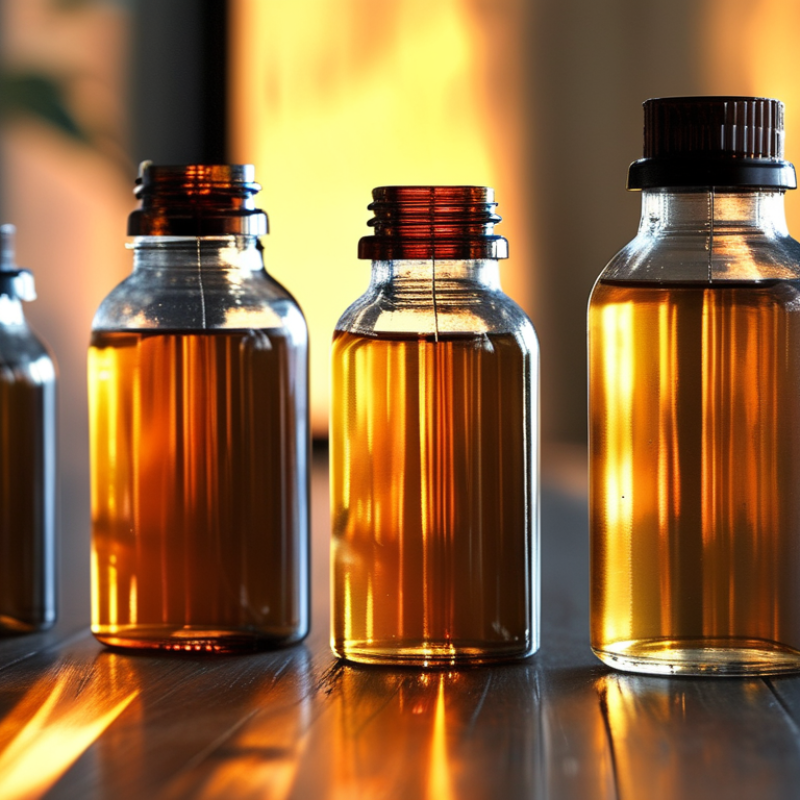
Light sensitivity is a crucial aspect of packaging, especially for products such as essential oils, vitamins, and certain cosmetics. These products can degrade when exposed to light, losing their effectiveness. This degradation happens due to chemical reactions activated by light. Thus, using appropriate packaging is vital to preserve their integrity.
Amber glass bottles are ideal for light-sensitive products. The dark hue effectively blocks harmful UV rays and visible light. This added layer of protection ensures that the contents remain stable and potent for longer periods. Without this protection, companies may face wasted inventory and unsatisfied customers due to spoiled products.
Packaging choices should reflect a deep understanding of light sensitivity. Not every container offers the same level of protection. The importance of evaluating materials cannot be overstated. Inadequate packaging not only compromises product quality but also reflects poorly on brands. Striking the right balance between aesthetics and functionality is essential. Products deserve the best care possible to ensure customer satisfaction.
Amber glass bottles are gaining popularity for light-sensitive products due to their unique benefits. Research indicates that over 70% of products containing sensitive ingredients, like essential oils and certain pharmaceuticals, degrade when exposed to UV light. Amber glass effectively blocks approximately 99% of this harmful radiation, preserving the integrity of these products.
This preservation is crucial for maintaining product quality. A study conducted by the Glass Packaging Institute found that products stored in amber glass retain their potency and flavor longer than those in clear or green glass. The study noted that essential oils stored in amber glass experienced a decrease in aroma intensity by only 10% after six months, compared to a 50% decrease in clear glass. This significant difference highlights amber glass's reliability in protecting sensitive formulations.
Moreover, amber glass is recyclable and environmentally friendly. According to the Container Recycling Institute, recycling glass saves 95% of the energy needed to make new glass. However, many consumers still overlook the importance of packaging. They often face challenges in understanding how different materials affect product quality. Using amber glass bottles might seem more costly upfront, but the long-term benefits outweigh the initial investment.
Amber glass bottles are an excellent choice for products vulnerable to UV light. Light can degrade specific ingredients, rendering them less effective or even harmful. Amber glass efficiently blocks harmful UV rays, ensuring the integrity of what's inside. This characteristic is critical for essential oils, serums, and various natural products.
The dark hue of amber glass filters out wavelengths that most commonly cause damage. For example, UV light can cause oxidation, a process that deteriorates essential nutrients. By using amber glass, brands create a protective barrier. This design feature goes beyond aesthetics; it directly impacts product longevity and effectiveness.
While many may assume packaging is merely functional, it plays a vital role in product preservation. Yet, some manufacturers overlook the importance of suitable materials. It's concerning that not all brands prioritize this. Consumers should be aware of potential risks associated with inferior packaging. Vigilance and education can help maintain the quality of sensitive products.
Amber glass bottles offer several advantages over plastic and clear glass options for light-sensitive products. They provide superior UV protection, shielding sensitive contents from harmful light exposure. This is particularly important for items like essential oils and pharmaceuticals, where potency and shelf life are crucial. Amber glass acts as a barrier, preventing degradation and maintaining product integrity.
Plastic packaging, while lightweight, often lacks the same level of protection. Many plastics allow light to penetrate, potentially damaging the product inside. Additionally, chemicals from plastics can leach into contents, creating safety concerns. Clear glass, despite its aesthetic appeal, fails to offer the UV protection that amber glass provides. This can lead to a quicker loss of quality for light-sensitive products.
Choosing amber glass bottles demonstrates a commitment to quality and sustainability. These bottles are recyclable, aligning with eco-friendly practices. However, not all consumers may recognize the benefits of amber glass immediately. Educating them could be a challenge but is essential for driving awareness. As businesses strive for environmentally responsible packaging, investing in amber glass could be a wise decision.
When selecting amber glass bottles, it's crucial to consider the specific needs of your products. Amber glass offers superior protection against UV light, which can degrade sensitive contents such as essential oils, pharmaceuticals, and certain beverages. According to industry reports, nearly 70% of consumers prefer products in amber packaging over clear options for this reason. The inherent characteristics of amber glass prevent light from penetrating and altering the chemistry of the product inside.
Choosing the right amber glass bottle involves understanding your product's requirements. Factors like bottle size, weight, and closure type play a role in usability. For instance, a lightweight bottle is essential for transport while ensuring the seal prevents oxygen exposure. Industry experts recommend testing multiple bottle types to find the ideal fit for your product. Poor packaging can lead to product spoilage, impacting customer satisfaction. Though amber glass excels in protection, not every design suits every application, making thoughtful selection necessary.
: Amber glass bottles block about 99% of UV light, preserving sensitive products like essential oils. They maintain quality longer than clear or green glass.
The dark color of amber glass filters harmful UV wavelengths. It prevents oxidation, which can damage essential nutrients in products.
Preserving product quality ensures efficacy. Products in amber glass show less degradation in aroma and potency over time compared to lighter options.
Yes, amber glass is recyclable. Recycling glass uses 95% less energy than new glass production, making it a sustainable choice.
Consider product needs like size and closure type. Test various designs to find which performs best for your unique product.
Poor packaging can lead to spoilage and reduced product quality. This negatively impacts customer satisfaction and brand trust.
Many believe packaging is only functional. In reality, packaging significantly affects how long products maintain their quality.
Amber glass may seem more expensive initially. However, the long-term benefits in product quality make it a worthwhile investment.
Many consumers overlook how packaging impacts product quality. Education is vital for making informed choices in product selection.
Amber glass bottles are an ideal choice for packaging light-sensitive products due to their ability to protect contents from harmful UV light. Understanding light sensitivity in packaging is crucial, as exposure to light can degrade product quality and potency. The benefits of amber glass bottles include their superior ability to filter out UV rays, thus preserving the integrity and longevity of various substances.
When comparing amber glass bottles to other packaging materials, it becomes clear why they are favored for sensitive products. They not only provide excellent protection but also offer a sustainable and recyclable option for environmentally-conscious consumers. Choosing the right amber glass bottle can enhance product stability and overall user satisfaction, demonstrating why amber glass bottles are better for light-sensitive products.

Bogart Glass