How to Ensure Airtight Preservation for Food and Seasoning Containers?

Time:2026-05-16 Author:Sienna
0%

Preserving food and seasonings effectively is crucial in every kitchen. To ensure airtight preservation for food and seasoning containers, careful attention to detail is required. Many overlook the importance of proper sealing. When air seeps in, it can lead to spoilage and a decline in quality.

Choosing the right containers is a vital step. Containers should be made from materials that truly can create a seal. Glass and high-quality plastic are often preferred. Yet, not all glass or plastic is the same. Mishandling can result in cracks and leaks, defeating the purpose. A simple twist of a lid might seem sufficient but often isn’t.

Additionally, regularly checking seals is important. Even high-quality containers can wear down over time. It's easy to miss small defects. As a result, food freshness can be compromised, leading to waste. This often overlooked aspect can significantly impact your cooking experience. Taking these steps seriously will help maintain the flavors and nutrients you strive for in your meals.
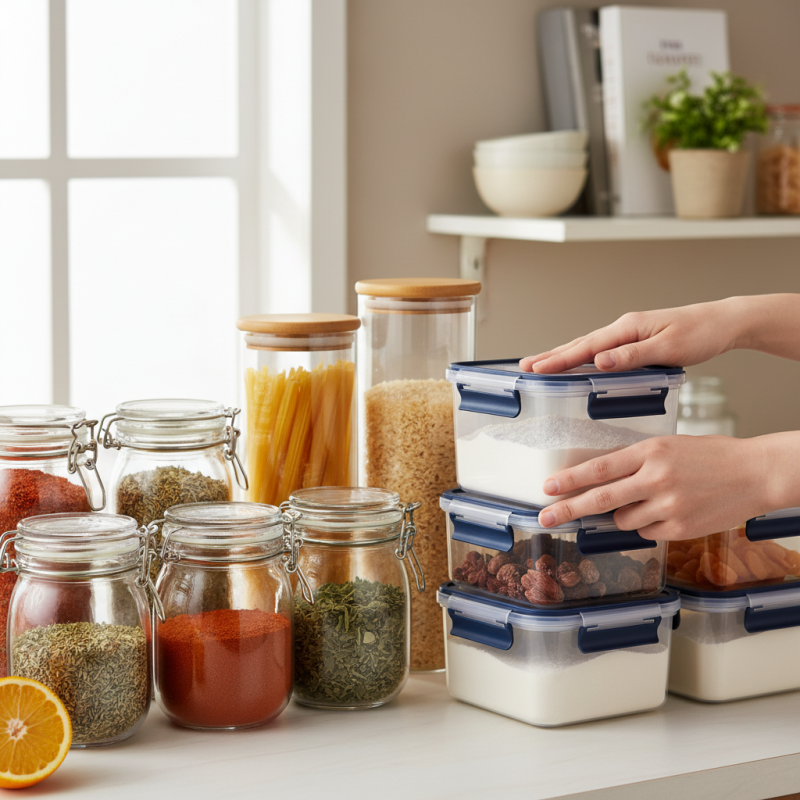
How to Ensure Airtight Preservation for Food and Seasoning Containers?

Choosing the Right Materials for Airtight Food Containers

Choosing the right materials for airtight food containers is crucial in maintaining freshness. Industry reports indicate that improper storage can lead to food spoilage, costing households over $1,500 annually. Glass containers are a popular option, as they do not retain odors or stain. They offer excellent durability and an airtight seal when fitted with silicone or rubber lids.

Plastic containers are lightweight and often more affordable. However, not all plastics are created equal. Research shows that BPA-free options are essential to avoid chemical leaching. Many people overlook the importance of evaluating plastic grades. Using high-quality, food-safe plastics can significantly extend the shelf life of food and seasonings.

Metal containers, such as stainless steel, present another viable choice. They are strong, long-lasting, and resistant to air infiltration. However, cleanliness is paramount. Any moisture left inside can lead to rust, complicating storage efficiency. Users often overlook these maintenance details, impacting their overall experience. The right decision requires careful consideration of materials and regular upkeep.

How to Ensure Airtight Preservation for Food and Seasoning Containers? - Choosing the Right Materials for Airtight Food Containers

Material Airtight Quality Durability Best Use Temperature Resistance Price Range
Glass Excellent High Dry goods, spices -20°C to 250°C $10 - $30
Plastic Good Medium Convenient storage -20°C to 100°C $5 - $15
Stainless Steel Very Good High Coffee, tea, dry goods -20°C to 200°C $15 - $40
Ceramic Good Medium Seasonings, snacks -20°C to 250°C $10 - $25
Silicone Moderate Good Versatile storage -40°C to 230°C $8 - $20

Understanding the Importance of Airtight Seals in Food Preservation

Airtight seals are essential for food preservation. They protect against moisture, air, and contaminants. Studies show that food stored in airtight containers lasts up to five times longer than in non-sealed vessels. This extension significantly reduces food waste, a pressing issue where approximately one-third of all food produced is lost or wasted globally.

The integrity of a seal can make or break preservation effectiveness. Poorly sealed containers allow oxygen to enter, leading to spoilage. A report from the Food Packaging Association noted that oxygen exposure can cause food to oxidize, losing nutrients and flavor. Airtight containers also prevent pests, contributing to safer food storage.

Getting the right seal is crucial. It's easy to overlook this detail. Many assume that all containers are created equal. However, design flaws or wear can compromise effectiveness. Regularly checking seals and replacing worn containers is necessary for optimal preservation. The effort required for these checks is minimal compared to the benefits achieved in preserving food quality and freshness.

Best Practices for Sealing Containers to Prevent Air Exposure

To ensure airtight preservation for food and seasoning containers, understanding the sealing techniques is essential. Scientific studies show that exposure to air can degrade food quality significantly. For instance, a report from the Food Packaging Association indicates that oxygen can lead to spoilage and loss of flavor. Using vacuum sealing can reduce air exposure by up to 99%.

Choose containers made from materials with low permeability, such as glass or high-quality plastics. The closure mechanism is just as important. A tight-fitting lid prevents moisture and air from entering. According to the Journal of Food Science, airtight containers can extend shelf life by several months. Always inspect the seal, ensuring it is intact and functional.

Regularly assess your containers for wear and tear. Seals can degrade over time, allowing unwanted air in. An imperfect seal is an opportunity to reflect on your storage practices. Consider the environment where containers are stored. High humidity can compromise the seal, making it less effective. Keeping containers in a cool, dry place enhances their performance and extends the life of your food and spices.

Food Preservation Control Factors

How to Test the Airtightness of Your Food and Seasoning Containers

Testing the airtightness of your food and seasoning containers is crucial to ensure freshness. One simple method involves the water test. Submerge the container in water and observe for bubbles. If bubbles emerge, air is escaping, indicating a leak. This method is straightforward and effective, revealing essential insights into the integrity of your containers.

Professionals recommend another method: the vacuum test. Use a vacuum pump to remove air from the container. If the lid remains secure afterward, the container is likely airtight. According to a report by the Food and Drug Administration (FDA), maintaining an airtight environment can prolong the shelf life of food by up to 30%. This data emphasizes the importance of reliable sealing.

It’s worth noting that convenience and aesthetics often overshadow functional testing. Some containers may look perfect but fail in performance. For instance, silicone gaskets or rubber seals might wear out, compromising seals over time. Regular checks can prevent unpleasant surprises, ensuring your food remains fresh and flavorful.

Maintenance Tips for Long-lasting Airtight Food Storage Solutions

Maintaining airtight food storage solutions requires diligence and attention to detail. Studies show that over 20% of food spoilage is due to improper storage. To prevent this, keep your food containers clean and dry. Regularly inspect seals and lids for wear and tear. A deteriorating seal can lead to moisture and air exposure, reducing freshness.

Use clear containers to monitor food quality visually. Retail data indicates that 90% of consumers prefer transparency in their food storage. This allows you to discard items before they spoil. Organizing your pantry effectively can also help. Label containers with dates to track freshness easily. Simple habits like these can prolong the lifespan of your food.

Airtight containers should be washed regularly. Soap buildup can affect the integrity of seals. Rinsing thoroughly is essential. Consider the placement of containers as well. Exposure to heat can degrade materials. Storing in cool, dark areas is recommended. Remember, even the best containers require attention. Regular maintenance ensures that food remains safe and flavorful.

FAQS

: Why is it important to choose the right materials for airtight food containers?

: The right materials help maintain freshness and prevent food spoilage, saving money.

What are the benefits of glass containers?

Glass containers do not stain or retain odors. They also provide an excellent airtight seal when used properly.

What should I look for in plastic containers?

Choose BPA-free plastics and focus on high-quality, food-safe grades for better food longevity.

How can metal containers help with food storage?

Metal containers, like stainless steel, are durable and resist air infiltration but require regular cleaning to prevent rust.

What sealing techniques can improve airtight preservation?

Vacuum sealing reduces air exposure significantly, enhancing the quality and shelf life of food.

How do I know if my container seals are effective?

Always inspect seals for integrity. An imperfect seal may allow air in, impacting food freshness.

What is the impact of humidity on container effectiveness?

High humidity can damage seals, making them less effective in preserving food quality.

How often should I assess my containers?

Regular checks for wear and tear on seals are essential for maintaining optimal storage conditions.

Where is the best place to store food containers?

Store them in a cool, dry place to enhance performance and extend the shelf life of contents.

What common mistake do people make with airtight containers?

Many overlook the maintenance required, which can lead to suboptimal food preservation and waste.

Conclusion

To ensure airtight preservation for food and seasoning containers, it's essential to choose the right materials that provide effective sealing properties. Understanding the significance of airtight seals helps in preventing spoilage and maintaining flavor. Best practices for sealing containers include using appropriate lids and employing vacuum sealing methods when necessary to minimize air exposure.

Additionally, it’s important to regularly test the airtightness of your containers by checking for any leaks or diminished pressure. Maintenance tips such as keeping seals clean and inspecting them for damage can prolong the life of your food storage solutions. By following these guidelines, you can effectively ensure airtight preservation for your food and seasoning containers, thereby enhancing their longevity and quality.

Sienna

Sienna

Sienna is a skilled marketing professional with a deep expertise in our company’s core products and services. With a passion for innovation and detail, she plays a pivotal role in crafting insightful blog posts that not only highlight the unique features of our offerings but also provide valuable......